
Parents in Singapore often seek the gentlest products for their newborns, especially given the warm, humid climate that can exacerbate skin irritation and diaper rash. When evaluating whether Cloversoft wipes are safe for a newborn, the answer lies in understanding your baby’s unique skin sensitivity and carefully verifying the specific product formulation. While Cloversoft designs its baby wipes with plant-based materials and mild ingredients, no single wipe is universally guaranteed to be free from causing localized reactions in every infant. To ensure maximum safety, caregivers must learn to read the ingredient list on the physical packaging, understand the role of each component, and perform a systematic patch test before integrating any new wipe into their daily diapering routine.
Understanding Newborn Skin and Wipe Formulation Basics
A newborn’s skin is structurally different from adult skin, requiring a highly cautious approach to topical products. An infant’s skin is about thirty percent thinner, with a less developed stratum corneum—the outermost layer that acts as a protective barrier. This makes a newborn’s skin highly permeable, allowing topical chemicals to absorb much more rapidly and deeply. Consequently, substances that are harmless to adults can easily penetrate an infant’s skin barrier, potentially leading to localized irritation.
Additionally, a newborn’s skin barrier is highly susceptible to environmental stressors. The combination of friction from frequent wiping, prolonged exposure to moisture from wet diapers, and contact with chemical formulations can quickly compromise this delicate barrier. When the stratum corneum is disrupted, it triggers an inflammatory response, leading to redness, dryness, and diaper dermatitis. Because baby wipes are designed as a leave-on cleansing tool, any ingredients present in the liquid solution remain on the baby’s skin long after the diaper change. This continuous contact makes formulation transparency and ingredient safety critical considerations for every parent.
Products mentioned in this guide
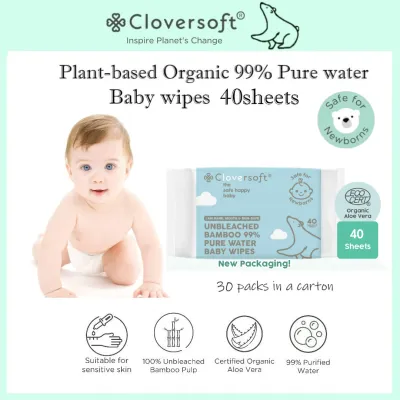
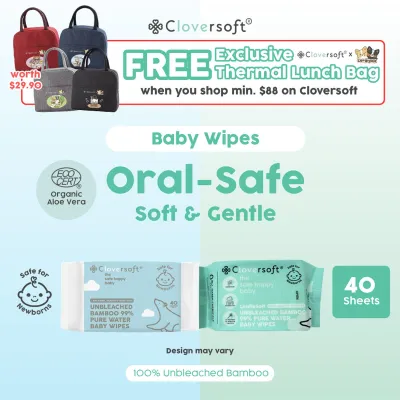
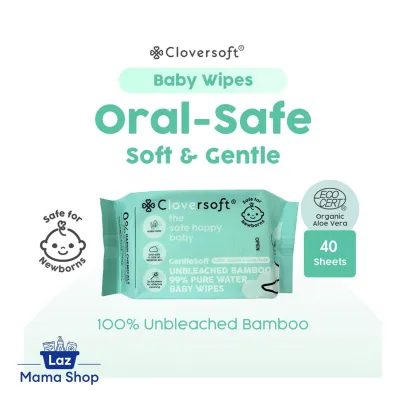
![Cloversoft Unbleached Bamboo Pure Water Baby Wipes [40sheets]](https://img.lazcdn.com/g/p/1d48267be2d72d5c2aa140777d26a07f.png_400x400q80.png_.webp)
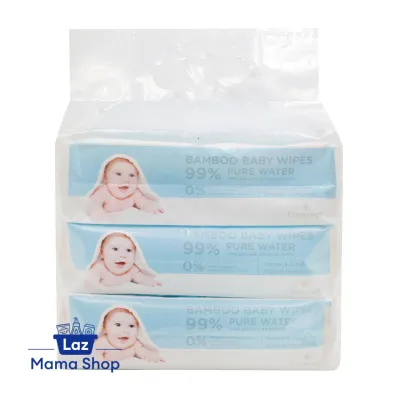
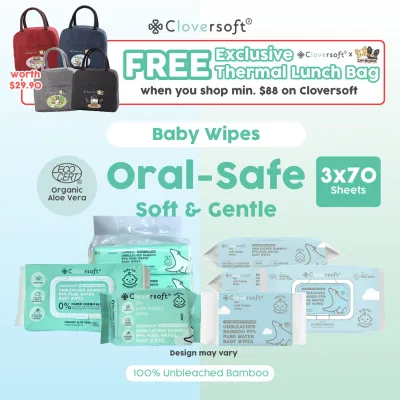
![[Cloversoft Official] Unbleached Bamboo Pure Water Baby Wipes [70sheets x 3]](https://img.lazcdn.com/g/p/26aab05c0bcc90c26bf4080d292a91f6.png_400x400q80.png_.webp)
Prices are valid at publication and may change. Please refer to the product page for the latest price.
How to Read and Evaluate Cloversoft Wipe Ingredients
To determine if a specific pack of Cloversoft wipes is suitable for your newborn, you must look beyond front-of-pack marketing claims and examine the detailed ingredient list. This list is typically located on the back or side of the physical packaging, or it can be verified through the manufacturer’s official product documentation. Because formulations can change over time or vary between different product lines—such as organic bamboo water wipes versus standard baby wipes—always check the exact package you have in hand rather than relying on outdated online descriptions.

When evaluating the ingredient list, the order of ingredients is highly informative. Ingredients are listed in descending order of concentration, meaning the first few components make up the vast majority of the liquid solution. In high-quality baby wipes, the primary ingredient is almost always water, which serves as the base carrier. Following water, you will find mild surfactants, humectants, preservatives, and skin-conditioning agents. Caregivers should also look for third-party dermatological testing claims on the packaging. To ensure these claims are valid, verify them directly through official brand channels or recognized testing bodies, ensuring the product has undergone rigorous evaluation for skin compatibility.
Potential Irritants to Check on the Ingredient Label
While many baby wipes are marketed as gentle, certain ingredient categories are frequently associated with contact dermatitis and skin sensitization in newborns. Preservatives are necessary in water-based wipes to prevent the growth of harmful bacteria and mold, but some traditional preservatives can be highly irritating. Caregivers should carefully inspect labels for harsh preservatives such as methylisothiazolinone (MI), parabens, and formaldehyde-releasing agents. Additionally, strong surfactants used as cleansing agents can strip the skin of its natural lipids, leading to severe dryness and barrier breakdown.
Fragrances and essential oils represent another major source of potential irritation for newborns. Even if a fragrance is labeled as “natural” or derived from plant extracts, it can still contain volatile organic compounds that trigger allergic contact dermatitis on sensitive infant skin. Similarly, drying alcohols like ethanol or isopropyl alcohol should be avoided entirely, as they rapidly dehydrate the skin and compromise its protective barrier. It is vital to remember that “natural,” “organic,” or “plant-derived” marketing labels do not automatically guarantee that a product is free from allergens or irritants; a newborn can still react to botanical extracts.
Gentle and Barrier-Supporting Ingredients to Look For
Conversely, high-quality baby wipes often incorporate ingredients designed to support and protect the infant skin barrier. Humectants and emollients play a crucial role in maintaining skin hydration by drawing moisture into the stratum corneum and sealing it in. Common beneficial ingredients to look for include glycerin, aloe vera leaf juice, and chamomile extract. These components help soothe minor irritation, reduce redness, and provide a protective layer that shields the skin from the friction of wiping and the harsh environment inside a wet diaper.
Another critical factor in wipe formulation is pH balance. A newborn’s skin naturally develops an acidic mantle with a pH of around 5.5, which helps defend against harmful bacteria and maintains barrier integrity. Safe baby wipes typically include mild pH-adjusting agents, such as citric acid or sodium citrate, to ensure the solution matches this natural acidity. However, even when a wipe contains only generally soothing and pH-balanced ingredients, individual sensitivities can still occur. Caregivers must remain observant and monitor their baby’s skin for any localized reactions, as even the mildest botanical ingredient can occasionally cause a reaction in highly sensitive individuals.
Safe Usage Practices and Patch Testing Protocols
Before fully integrating Cloversoft wipes or any new skincare product into your newborn’s daily routine, performing a systematic patch test is highly recommended. To conduct a patch test, gently swipe a single wipe over a small, discreet area of your baby’s skin, such as the inner forearm or the side of the thigh. Do not wash the area, and observe it closely over a period of 24 to 48 hours. Look for any signs of redness, swelling, tiny bumps, or dryness. If the skin remains clear and healthy, the wipes are generally considered safe for regular use on your baby’s skin.
When using wipes during diaper changes, proper technique is essential to minimize mechanical friction. Avoid rubbing or scrubbing the skin vigorously, as this can create micro-tears in the delicate stratum corneum, making it easier for irritants to penetrate. Instead, use a gentle patting or sweeping motion, moving from front to back to prevent the spread of bacteria. Ensure the diaper area is completely dry before putting on a fresh diaper, as trapped moisture is a primary contributor to diaper rash.
For the first few weeks of life, or during active diaper rash flare-ups, it is often wise to alternate baby wipes with plain water and soft cotton cloths. This practice minimizes the baby’s exposure to leave-on chemical ingredients and reduces friction on compromised skin. In Singapore’s humid climate, allowing your baby some diaper-free time each day can also help keep the skin dry and support the natural healing process of the skin barrier.
When to Stop Use and Seek Professional Guidance
Despite careful selection and testing, some newborns may still develop adverse reactions to baby wipes. Caregivers must be able to recognize the visual and behavioral signals that indicate a product is causing harm. Observable signs of contact dermatitis or an allergic reaction include persistent redness, localized swelling, dry or peeling patches, and the appearance of small blisters or weeping sores in the diaper area. If your baby becomes unusually fussy or cries during wiping, this is a clear behavioral sign of discomfort and skin irritation.
If any of these adverse signs appear, discontinue using the wipes immediately. Switch to cleansing the diaper area with plain, lukewarm water and soft, disposable cotton pads or a clean washcloth. Pat the skin dry gently without rubbing, and apply a thick layer of a fragrance-free barrier cream containing zinc oxide or petrolatum to protect the skin from moisture.
While mild diaper rash often resolves with improved hygiene and barrier creams, certain conditions require professional medical evaluation. You should consult a pediatrician or a pediatric dermatologist if the redness spreads beyond the diaper area, if the skin develops open sores, blisters, or pus-filled bumps, or if the rash does not show signs of improvement after two to three days of discontinuing the wipes. Seeking professional guidance ensures your baby receives an accurate diagnosis and appropriate treatment, preventing secondary bacterial or fungal infections.
Frequently Asked Questions (FAQ)
Can I use baby wipes on a newborn's face and hands?
Before using Cloversoft wipes on your newborn’s face or hands, you must verify if the specific product variant is explicitly labeled and formulated for facial use. The skin on a baby’s face is even thinner and more sensitive than the skin on their bottom, making it highly susceptible to irritation from standard cleansing agents. Furthermore, babies frequently put their hands and fingers into their mouths, creating a risk of ingesting residual ingredients left behind by the wipe. If a wipe contains ingredients that are safe for the diaper area but not intended for ingestion, using them on the hands or face could cause oral irritation or eye stinging. For facial cleansing, it is always safest to use a soft cloth dampened with plain water or wipes specifically certified for multi-purpose facial use.
Do I need to rinse my baby's skin after using wipes?
Most baby wipes, including Cloversoft variants, are formulated as no-rinse products designed for convenience during diaper changes. However, whether you should rinse your baby’s skin depends on their individual skin sensitivity and the current condition of their skin barrier. If your newborn has highly sensitive skin, is prone to eczema, or is currently experiencing a diaper rash flare-up, rinsing the area with plain water after wiping can be highly beneficial. Rinsing helps remove any residual surfactants, preservatives, or humectants that might otherwise remain on the skin and cause cumulative irritation. If you notice a sticky or heavy residue left behind by the wipe, a quick rinse with clean water ensures the skin remains clean and free from potential irritants.

Community discussion
Share your experience or ask a question. Comments are reviewed before publication.