
Determining whether Cloversoft wet wipes are safe for your newborn depends on verifying the specific ingredient list on the packaging, checking for relevant dermatological testing labels, and observing your baby’s individual skin response. Because newborn skin is highly reactive and still developing its natural protective barrier, caregivers must take a proactive approach to evaluating any topical product. While many baby wipes are marketed as gentle or natural, verifying the exact formulation on the physical pack is the most reliable way to ensure compatibility with your infant’s delicate skin.
In Singapore’s warm and humid climate, diaper rash and skin irritation can develop rapidly if a product disrupts the skin barrier. Consequently, choosing the right wipe involves more than just selecting a popular brand off the shelf. By understanding how to read ingredient labels, perform a controlled patch test, and recognize early signs of irritation, you can make an informed decision that prioritizes your baby’s comfort and health.
Why Ingredient Scrutiny Matters for Newborn Skin
A newborn’s skin is structurally distinct from adult skin, requiring a much higher standard of care. During the first few months of life, the outer layer of the skin, known as the stratum corneum, is significantly thinner and more permeable. This increased permeability means that topical substances applied to the skin are absorbed much more easily and deeply into the underlying tissues, raising the risk of localized irritation.
Products mentioned in this guide
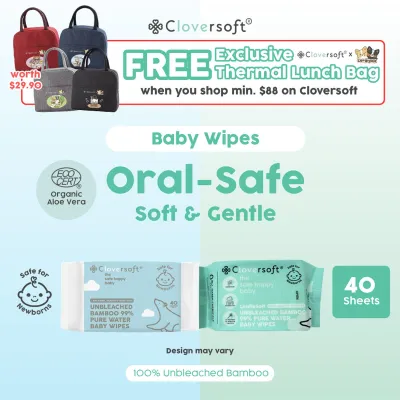
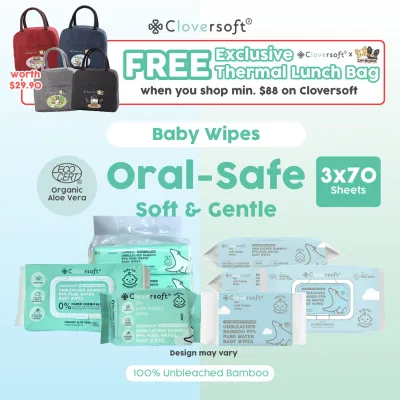
![[Cloversoft Official] Unbleached Bamboo Pure Water Baby Wipes [70sheets x 3]](https://img.lazcdn.com/g/p/26fba025b7721f77dbe8dd1eb8595381.png_400x400q80.png_.webp)
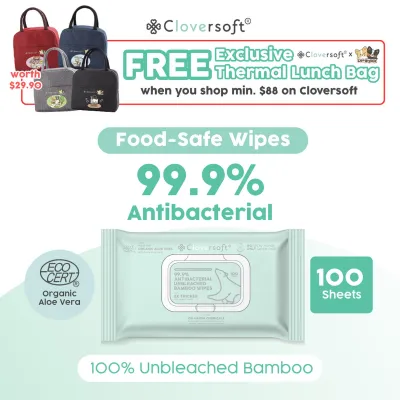
![[Mixed Wipes Bundle] Cloversoft Plant-Based Unbleached Bamboo 99.9% Antibacterial Organic Wet Wipes 8/15/40/100 Sheets](https://img.lazcdn.com/g/p/33b3eeec4814e13ea3637da0624f9b9a.png_400x400q80.png_.webp)
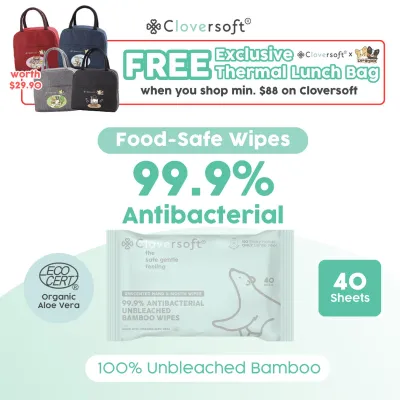
![Cloversoft Plant-Based [DESIGN MAY VARY] Unbleached Bamboo 99.9% Antibacterial Organic Wet Wipes 15 Sheets](https://img.lazcdn.com/g/p/7183eb3f8afa0036db1fe09c02788e50.jpg_400x400q80.jpg_.webp)
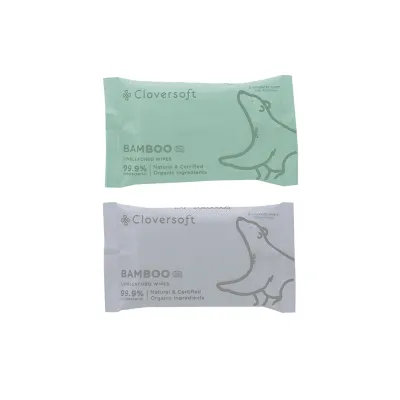
Prices are valid at publication and may change. Please refer to the product page for the latest price.
Furthermore, the frequent diaper changes required during infancy mean that a newborn’s skin is subjected to repeated wiping and prolonged contact with wet formulations. If a wipe contains harsh chemicals or synthetic additives, these substances can accumulate on the skin, gradually stripping away natural lipids and disrupting the developing skin barrier. This disruption makes the skin highly vulnerable to moisture loss and external irritants.
Maintaining the skin’s natural acid mantle is another critical factor in newborn care. Healthy skin typically maintains a slightly acidic pH, which acts as a natural defense mechanism against harmful bacteria and fungi. Using wipes that are not properly pH-balanced can alter this delicate environment, paving the way for microbial overgrowth, persistent diaper rash, and painful inflammation.
How to Verify Ingredients and Safety Labels on the Packaging
To ensure the Cloversoft wet wipes you purchase are suitable for your newborn, you must learn to locate and verify the key information printed on the physical packaging. The most critical element is the International Nomenclature of Cosmetic Ingredients (INCI) list, which is typically found on the back or side of the pack. This list details every component used in the formulation, ordered by concentration from highest to lowest, allowing you to identify exactly what will touch your baby’s skin.

Beyond the ingredient list, look for specific safety certifications and dermatological testing logos. Many brands display seals indicating that their products are dermatologically tested, hypoallergenic, or approved by pediatricians. However, it is important to verify that these claims are officially printed on the packaging rather than relying solely on online marketing materials. These labels suggest that the formulation has undergone standardized testing to minimize the risk of allergic reactions.
Additionally, always check the manufacturing date, expiration date, and the Period After Opening (PAO) symbol, which is represented by an open jar icon with a number (such as “3M” or “6M”). This symbol indicates how many months the wipes remain safe and effective after the seal is broken. Because baby wipes contain water, they require stable preservation systems; using wipes past their expiration or PAO date increases the risk of using a product with degraded preservatives, which can lead to bacterial contamination.
What to Look For (and Avoid) on the Ingredient List
When reviewing the ingredient list of Cloversoft wet wipes, caregivers should focus on three primary categories: preservatives, fragrances, and soothing additives. Preservatives are essential in water-based wipes to prevent the growth of mold and bacteria, but they must be mild. Look for gentle, food-grade preservatives or those specifically approved for infant use, while avoiding harsh options like parabens, methylisothiazolinone (MIT), or formaldehyde-releasing agents, which are known sensitizers.
Fragrances and essential oils are another major consideration for newborn skin. Even natural essential oils or plant-derived fragrances can trigger contact dermatitis or allergic reactions on highly sensitive newborn skin. For the first few months of life, selecting fragrance-free or completely unscented options is highly recommended. Be aware that “unscented” products may still contain masking agents to cover chemical odors, so reading the full INCI list for terms like “parfum” or specific botanical oils is crucial.
Finally, evaluate the presence of soothing and moisturizing additives, such as aloe vera, chamomile, or calendula extracts. These ingredients are often included to help soothe the skin and reduce the friction caused by wiping. While these additives can be beneficial, they should complement a simple, water-dominant formulation rather than serve as a replacement for gentle wiping techniques. Ensure that these botanical extracts are free from synthetic solvents or pesticide residues by checking for organic or high-purity sourcing indicators on the label.
How to Safely Introduce New Wipes with a Patch Test
Before integrating any new brand of wet wipes into your daily diapering routine, performing a localized patch test is a highly effective way to assess compatibility. To do this, gently wipe a small, discreet area of your baby’s skin, such as the inner wrist or the side of the ankle, with a single wipe. Allow the area to dry naturally and observe it closely over the next 24 hours for any signs of redness, swelling, or tiny bumps.
For the first few weeks of a newborn’s life, many pediatricians and dermatologists recommend using only plain water and soft cotton balls or reusable cloth wipes. This minimalist approach allows the infant’s skin barrier to mature without exposure to complex chemical formulations. Once the skin has established a stronger barrier, you can gradually transition to commercial wet wipes, starting with the patch-tested product during daytime changes.
When you do begin using wet wipes regularly, your wiping technique is just as important as the product’s ingredients. Avoid rubbing or scrubbing the skin, as mechanical friction can cause micro-tears in the delicate epidermal layer. Instead, use a gentle patting or sweeping motion, moving from front to back, to clean the area thoroughly without compromising the skin’s physical integrity.
Warning Signs: When to Stop Use and Consult a Pediatrician
Even with careful selection, some newborns may still experience adverse reactions to wet wipes. Caregivers must remain vigilant for signs of contact dermatitis, which include persistent redness, dry or peeling skin, raised red bumps, or a localized rash that aligns precisely with the area wiped. If your baby shows signs of discomfort, such as crying or flinching during cleaning, this is a clear indicator of skin irritation.
If you observe any of these warning signs, discontinue using the wipes immediately. Switch back to cleaning the diaper area with plain, lukewarm water and soft cotton pads, allowing the skin to air-dry completely before applying a barrier cream. Avoid applying unverified home remedies, scented lotions, or over-the-counter steroid creams without professional guidance.
You should consult a pediatrician or a pediatric dermatologist if the redness persists for more than a few days, if the skin develops open sores, blisters, or oozing patches, or if the rash spreads beyond the diaper area. These symptoms may indicate a secondary bacterial or fungal infection that requires targeted medical treatment rather than simple skincare adjustments.
Frequently Asked Questions (FAQ)
Can I use Cloversoft wet wipes on a newborn's face and hands?
The skin on a newborn’s face, particularly around the eyes and mouth, is significantly thinner and more sensitive than the skin on the diaper area. Additionally, infants frequently put their hands in their mouths, increasing the risk of ingesting any chemical residues left behind by wet wipes. Caregivers should strictly check the manufacturer’s packaging for specific multi-use instructions or age-related warnings before using diaper wipes on the face or hands. If the label does not explicitly state that the wipes are safe for facial use, it is best to use a clean, damp washcloth with plain water instead.
Do Cloversoft wet wipes expire, and is it safe to use them past the date?
Yes, baby wipes do expire, and using them past their expiration or Period After Opening (PAO) date is not recommended. Over time, the preservative system within the wipes degrades, losing its ability to inhibit the growth of harmful bacteria, mold, and yeast. Using expired wipes on a newborn can introduce pathogens directly to vulnerable skin, potentially causing infections or severe irritation. Always check the printed dates on the pack, store them in a cool, dry place away from direct sunlight, and discard any packs that exhibit changes in smell, color, texture, or moisture level.

Community discussion
Share your experience or ask a question. Comments are reviewed before publication.