
Quick Answer: Assessing Safety for Sensitive Newborn Skin
When caring for a newborn with sensitive skin, choosing the right diapering products is a primary concern for parents. Cloversoft Pure Water baby wipes are generally considered a highly compatible option for delicate skin due to their high water content and minimal ingredient profile. However, because newborn skin is exceptionally thin and its natural barrier is still developing, no single product can be guaranteed completely safe for every individual baby.
To determine if these wipes are suitable for your newborn, you must verify the exact formulation printed on the specific packaging you purchase. While “pure water” wipes are designed to minimize irritation by reducing unnecessary additives, they still require safe preservatives to prevent harmful bacterial growth. Performing a simple patch test on a small area of your baby’s skin is an essential first step before integrating any new wipe into your daily diapering routine.
Evaluating the Ingredient List and Packaging Claims
To truly understand what goes onto your baby’s skin, you should always look past the front-of-pack marketing and examine the official ingredient list. On Cloversoft packaging, this list is typically located on the back or side of the outer wrap. If you are purchasing online through ecommerce platforms, ensure you cross-reference the product description with the physical label once the item arrives, as online listings are not always updated immediately.
Products mentioned in this guide
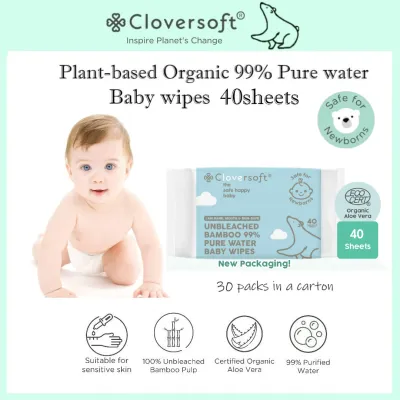
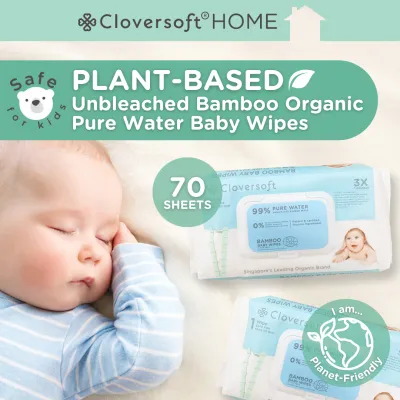

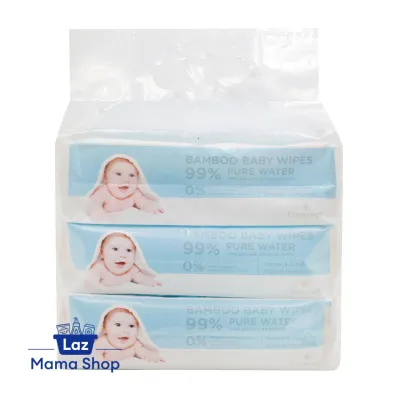
![Cloversoft Unbleached Bamboo Pure Water Baby Wipes [40sheets]](https://img.lazcdn.com/g/p/1d48267be2d72d5c2aa140777d26a07f.png_400x400q80.png_.webp)
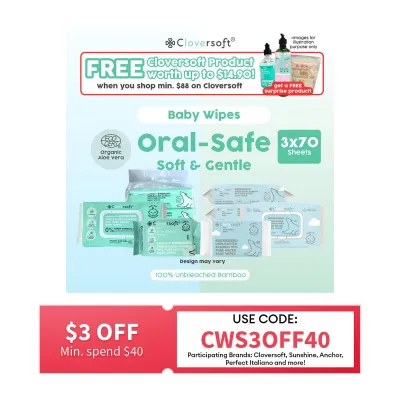
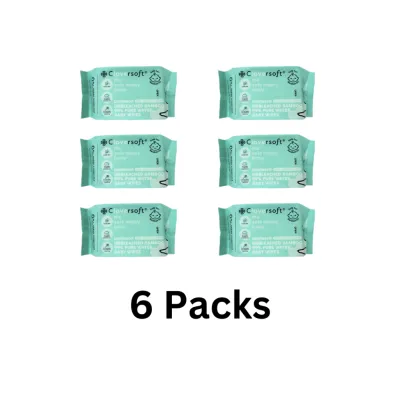
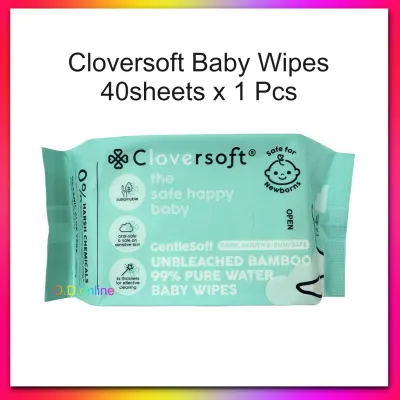
Prices are valid at publication and may change. Please refer to the product page for the latest price.

When reviewing the ingredients, look for potential triggers that are known to irritate sensitive newborn skin. Avoid products containing drying alcohols, parabens, synthetic fragrances, or harsh chemical preservatives like methylisothiazolinone. A high-quality pure water wipe should list water as the primary ingredient, followed by a very short list of mild, skin-conditioning agents and food-grade or gentle preservatives that keep the product sterile.
Additionally, take the time to verify any dermatological or hypoallergenic claims made on the packaging. Look for indications of independent testing or certifications from recognized bodies, rather than relying solely on general brand promises. The material of the wipe itself also plays a role in skin safety; wipes made from soft, plant-based fibers like unbleached bamboo are generally gentler and cause less physical friction than synthetic polyester alternatives.
Essential Safety Checks for Newborns with Sensitive Skin
It is common for newborns to experience skin changes during their first few weeks of life, and distinguishing between normal transitions and actual irritation is key. Many babies undergo a natural peeling process shortly after birth, which is completely harmless and resolves on its own. However, if you notice localized redness, small raised bumps, or dry, rough patches in the diaper area after using a wipe, this may indicate contact dermatitis or localized skin irritation.
Environmental factors can significantly compound skin sensitivity, especially in warm and humid climates. High humidity can trap moisture within the skin folds of a baby’s diaper area, leading to chafing, heat rash, and an increased risk of diaper dermatitis. When the skin barrier is already compromised by excess moisture or friction, even the mildest wipe can cause discomfort or stinging during use.
Parents should also understand that “pure water” does not mean a product is entirely preservative-free. Because wet wipes are stored in warm, dark diaper bags and drawers, they require a preservation system to stop mold, yeast, and bacteria from multiplying. When evaluating Cloversoft wipes, check the safety profile of the specific preservatives used to ensure they are widely recognized as safe for infant use and do not pose a high risk of allergic sensitization.
How to Safely Introduce Cloversoft Wipes to Your Baby
Before using Cloversoft Pure Water wipes across the entire diaper area, conducting a controlled patch test is a highly effective, low-risk way to ensure compatibility. Start by selecting a small, clear patch of skin on your baby’s inner thigh or upper arm, where the skin is sensitive but easily monitored. Gently pat a small portion of a fresh wipe onto this area without rubbing, and let the moisture air dry naturally.
Monitor the test spot closely over the next 24 to 48 hours for any observable signs of a reaction, such as redness, swelling, or tiny bumps. If the skin remains clear and healthy, you can begin using the wipes during diaper changes, starting with limited use before transitioning fully. If you do observe any mild redness or irritation, discontinue use immediately and allow the skin to rest.
When using any wipe, your physical technique is just as important as the product’s ingredients. Avoid rubbing or scrubbing the skin, as physical friction can easily disrupt a newborn’s delicate epidermal barrier. Instead, use a gentle patting or sweeping motion. If your baby’s skin is highly reactive, consider using plain water and soft, reusable cotton cloths or dry cotton wipes as an ultra-gentle alternative until the skin barrier strengthens.
When to Stop Use and Consult a Pediatrician
While mild skin redness can sometimes resolve with a change in diapering habits, certain visual red flags indicate that a product is not suitable and requires professional attention. If you observe persistent, bright red rashes that do not fade, swelling, skin that feels unusually warm to the touch, blistering, or weeping sores, stop using the wipes immediately. These symptoms suggest a more severe reaction or an underlying skin infection.
If an adverse reaction occurs, take immediate, low-risk steps to soothe your baby’s skin. Gently rinse the affected area with lukewarm plain water to remove any residual ingredients, then pat the skin completely dry with a clean, soft towel. Avoid applying multiple over-the-counter creams or home remedies simultaneously, as this can further irritate the skin and make it difficult to identify the true cause of the reaction.
You should consult a pediatrician or a pediatric dermatologist if the rash does not show signs of improvement within two to three days, if it spreads beyond the diaper region, or if your baby seems to be in pain or discomfort. A healthcare professional can provide an accurate diagnosis, recommend safe barrier creams, and help you determine whether the reaction was caused by a specific ingredient in the wipes or an external factor like a yeast infection.
Frequently Asked Questions (FAQ)
Can I use Cloversoft Pure Water wipes on a newborn's face and hands?
You should always check the specific packaging instructions to confirm if the wipes are approved for facial use. While pure water formulations are generally mild, the skin on a newborn’s face is exceptionally thin and highly sensitive compared to the rest of the body. Never use any baby wipe near the delicate eye area, as even gentle ingredients can cause stinging or irritation if they come into direct contact with the eyes. Additionally, monitor for ingestion risks; if you use a wipe on your baby’s hands, ensure the skin is completely dry before they put their hands in their mouth or before feeding.
Do pure water wipes need to be rinsed off after use?
In most cases, high-quality pure water wipes do not need to be rinsed off because they are formulated to leave minimal residue on the skin. However, if your newborn has extremely sensitive skin, active diaper rash, or eczema, rinsing the area with plain water after wiping can provide an extra layer of protection by removing any trace preservatives. The main risk of not rinsing is often related to trapped moisture rather than the ingredients themselves. In humid climates, trapping wetness inside skin folds or under a tight diaper can quickly lead to skin breakdown, so always ensure the skin is patted completely dry before putting on a fresh diaper.

Community discussion
Share your experience or ask a question. Comments are reviewed before publication.