
Quick Answer: Are Cloversoft Wipes Safe for Sensitive Newborn Skin?
The safety of Cloversoft baby wipes for a newborn with sensitive skin depends heavily on the specific product variant you choose and your baby’s unique skin tolerance. While many of these wipes are formulated with gentle, plant-based ingredients designed to minimize irritation, no single baby wipe can offer a universal guarantee of safety for highly reactive skin. A newborn’s skin barrier is exceptionally thin and delicate, meaning even natural formulations can occasionally trigger an individual reaction.
To determine if a specific pack of Cloversoft wipes is safe for your baby, you must verify the exact ingredient list on the packaging and monitor your infant’s skin closely during the first few uses. Choosing fragrance-free and unscented options is generally the safest path for newborns. If your baby experiences severe, persistent, or worsening skin conditions, stop using the wipes immediately and consult a qualified pediatrician for professional medical advice.
How to Evaluate Cloversoft Wipe Ingredients for Sensitive Skin
When choosing wipes for a sensitive newborn, you should never rely solely on front-of-pack marketing. Manufacturers may update their formulations or offer different product lines with varying ingredients. Always turn the package over to inspect the ingredient list on the back to ensure you know exactly what is coming into contact with your baby’s skin.
Products mentioned in this guide
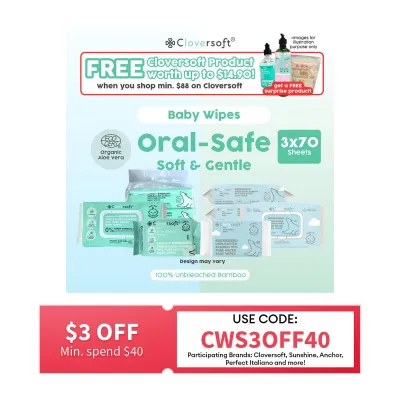
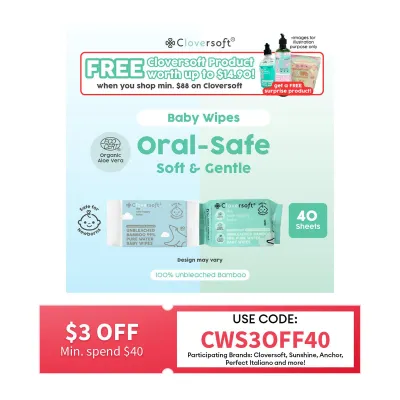

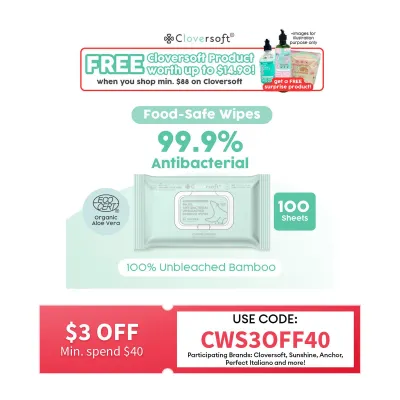
![Cloversoft Plant-[20 Packs] Based Unbleached Bamboo 99.9% Antibacterial Organic Wet Wipes 8 Sheets](https://img.lazcdn.com/g/p/cd32a8dddb4c4261ef35c891652ef7ba.jpg_400x400q80.jpg_.webp)
![Cloversoft Plant-Based [DESIGN MAY VARY] Unbleached Bamboo 99.9% Antibacterial Organic Wet Wipes 15 Sheets](https://img.lazcdn.com/g/p/789404981a1baac747ccca978370b4bf.jpg_400x400q80.jpg_.webp)
Prices are valid at publication and may change. Please refer to the product page for the latest price.

Beneficial Ingredients to Look For
High-quality baby wipes for sensitive skin should prioritize simple, clean, and nourishing formulations. The primary ingredient in any safe wipe should be highly purified water, often listed on the packaging as Aqua or Water. Water provides the necessary cleansing action without leaving behind sticky residues that can trap bacteria or cause friction.
You should also look for naturally soothing botanical extracts explicitly detailed on the ingredient label. Ingredients such as Aloe Barbadensis Leaf Juice (aloe vera), Anthemis Nobilis Flower Extract (chamomile), and Calendula Officinalis Extract are excellent additions. These botanical agents help calm minor skin irritation, provide gentle hydration, and support the natural development of your newborn’s delicate skin barrier.
The cloth material itself also plays a significant role in skin safety. Cloversoft wipes are typically made from unbleached bamboo fiber, which is naturally soft and minimizes the mechanical friction that occurs during wiping. Choosing a soft, textured cloth helps clean your baby’s skin with fewer passes, reducing the risk of friction-induced irritation.
Common Irritants to Avoid
Parents of newborns with sensitive skin should actively avoid several common chemical irritants that frequently appear in standard baby wipes. Alcohol, often listed as isopropyl alcohol or ethanol, should be completely avoided because it strips the skin of its natural protective oils, leading to severe dryness and a painful stinging sensation on raw skin.
Synthetic fragrances or parfum are another major category of concern. While a scented wipe may smell pleasant, fragrance chemicals are among the most common triggers for allergic contact dermatitis in infants. Even natural essential oils can sometimes be too strong for a newborn’s highly reactive skin, so choosing completely scent-free options is highly recommended.
Harsh preservatives are also critical to avoid. Preservatives are necessary in wet wipes to prevent the growth of harmful bacteria and mold, but some older preservatives can be highly sensitizing. Ensure the product is free from parabens, Methylisothiazolinone (MIT), Methylchloroisothiazolinone (CMIT), and formaldehyde releasers. While phenoxyethanol is a widely accepted preservative, some parents of ultra-sensitive infants prefer to avoid it as well, making it important to cross-reference your specific packaging against these ingredients.
Understanding Safety Claims and Certifications on the Packaging
Navigating the various safety claims and logos on baby wipe packaging can be challenging for new parents. Understanding the precise definitions of these terms allows you to make an informed decision based on actual product standards rather than marketing buzzwords.
Fragrance-Free vs. Unscented It is important to distinguish between “unscented” and “fragrance-free” products. An unscented wipe may still contain chemical masking agents designed to neutralize the natural odors of the ingredients, resulting in a neutral smell that can still irritate sensitive skin. A fragrance-free wipe, on the other hand, contains absolutely no added fragrance chemicals or masking scents, making it the much safer and preferred choice for a newborn’s delicate skin.
Dermatologically Tested and Hypoallergenic When a package states that the wipes are “dermatologically tested” or “hypoallergenic,” it indicates that the formulation has undergone clinical patch testing on human volunteers under the supervision of a dermatologist to show a low potential for causing irritation or allergic reactions. While these claims suggest a significantly lower risk of skin issues, they do not provide a 100% guarantee that your baby will not experience an individual reaction, as every infant’s skin chemistry is unique.
Pediatrician Approved and Certified Standards Look for explicit mentions of “pediatrician approved” or certifications from recognized third-party dermatological organizations on the Cloversoft packaging. These labels indicate that the product has met specific safety and quality benchmarks suitable for infant use. Additionally, check for statements verifying that the wipes are pH-balanced. A newborn’s skin naturally maintains a slightly acidic pH level to protect against harmful pathogens, and using wipes that match this natural pH level helps preserve the integrity of the skin barrier.
Best Practices for Wiping a Newborn's Delicate Skin in Singapore's Humid Climate
Using the right product is only half the battle; how you clean your baby’s skin is equally important. In Singapore’s warm and highly humid environment, improper wiping techniques and trapped moisture can quickly lead to severe diaper rash and fungal infections.
Gentle Wiping Technique Always use a gentle patting or light wiping motion from front to back. Wiping from front to back is especially critical for baby girls to prevent the spread of bacteria from the anal region to the urinary tract. Never rub or scrub the skin harshly, as the friction can easily create microscopic tears in the thin skin barrier, making it highly vulnerable to chemical irritation and bacterial invasion.
The Challenge of High Humidity Singapore’s tropical climate means that moisture does not evaporate quickly from the skin. If you wipe your baby and immediately put on a fresh diaper, you risk trapping residual moisture from the wipe inside the diaper’s sealed environment. This trapped wetness softens the skin barrier, a process known as maceration, which makes the skin highly susceptible to friction damage and yeast infections. Always allow your baby’s skin to air-dry completely for a few moments, or gently pat the area dry with a clean, soft, dry cotton cloth before applying a barrier cream and securing a new diaper.
Adopting a Hybrid Cleansing Approach For routine, urine-only diaper changes at home, consider adopting a hybrid cleansing approach to minimize your baby’s exposure to cleansing agents and preservatives. Using plain, lukewarm water and soft, reusable cotton pads or cloths is the gentlest way to clean your newborn’s skin. You can then reserve your Cloversoft wipes for cleaning up messy stool changes or for convenient, on-the-go cleansing when you are traveling, visiting family, or running errands around Singapore.
Recognizing Skin Irritation and When to Consult a Pediatrician
Even when using high-quality, gentle wipes, you must remain vigilant and monitor your newborn’s skin for any signs of an adverse reaction. Early detection allows you to adjust your routine before a minor irritation escalates into a painful skin condition.
Early Signs of Contact Dermatitis Watch closely for early indicators of contact dermatitis or an allergic reaction. These signs typically include localized redness that aligns with the areas touched by the wipe, tiny red bumps, dry or peeling patches, or swelling. You may also notice behavioral clues, such as your baby fussing, crying, or showing obvious signs of discomfort specifically during or immediately after the wiping process.
Immediate Action Steps If you suspect that the wipes are causing irritation, stop using them immediately. Switch to using only plain, lukewarm water and soft cotton pads for all diaper changes. Ensure the diaper area is kept as clean and dry as possible, and allow for extended diaper-free time to let the skin heal naturally. Avoid applying heavily fragranced creams, powders, or self-prescribed treatments to the irritated skin.
When to Seek Professional Medical Help While mild redness can often be managed by switching to plain water and keeping the skin dry, certain symptoms require professional medical attention. You should consult a pediatrician or a pediatric dermatologist if the rash does not improve after a few days, spreads beyond the diaper area, develops blisters, pus, or bleeding, or if your baby develops a fever or seems to be in persistent pain. This article is intended for informational purposes only and does not provide medical diagnoses or prescribe specific treatments.
Frequently Asked Questions (FAQ)
Can I use Cloversoft wipes on a newborn's face and hands?
Facial skin is significantly thinner and more sensitive than the skin on your baby’s diaper area, and the regions around the mouth and eyes are particularly delicate. Before using Cloversoft wipes on your newborn’s face or hands, you must check the specific packaging to verify if the variant is explicitly labeled as safe for facial and hand use. Even if labeled safe, you should completely avoid the sensitive eye area to prevent accidental stinging, and ensure the formulation leaves no bitter or chemical residue if your baby frequently puts their hands in their mouth.
Is it better to use water and cotton pads instead of wipes for newborns?
Using plain water and soft cotton pads is widely considered the gold standard for cleansing newborn skin during the first few weeks of life. Because water contains zero fragrances, preservatives, or surfactants, it carries virtually no risk of skin irritation or allergic reactions while your baby’s skin barrier is still developing. However, commercial wipes like Cloversoft offer unmatched convenience when traveling and are often more effective at breaking down and removing the greasy components of baby stool. A hybrid approach—using plain water and cotton pads at home and high-quality, fragrance-free wipes when outdoors—provides the ideal balance of skin protection and practical convenience.
Community discussion
Share your experience or ask a question. Comments are reviewed before publication.