
Caring for a newborn’s skin requires extreme gentleness, especially during frequent diaper changes. When considering Bzu Bzu wet wipes for daily use on a newborn, the answer depends on the specific product variant, its ingredient list, and your baby’s unique skin sensitivity. While many baby wipes are formulated to be mild, a newborn’s skin barrier is exceptionally delicate and prone to irritation. Parents must carefully inspect the packaging of their chosen Bzu Bzu wipes to verify they are free from common irritants like alcohol, artificial fragrances, and harsh preservatives before introducing them to a daily routine.
To ensure the highest level of safety, caregivers should perform a patch test on a small area of the baby’s skin and closely monitor for any signs of redness or irritation. Because formulations can vary across different product lines under the same brand, checking the label of each specific pack is essential. This guide outlines how to evaluate these wipes, what ingredients to look for, and how to practice safe diapering habits to protect your newborn’s skin.
Why Newborn Skin Requires Special Wipe Formulations
A newborn baby’s skin is vastly different from adult skin, requiring a highly cautious approach to topical products. During the first few months of life, the infant skin barrier is still developing. The stratum corneum, which is the outermost layer of the skin, is significantly thinner in babies than in adults. This structural difference makes newborn skin highly permeable, meaning it absorbs topical substances much more rapidly and deeply. Consequently, any harsh chemicals or allergens present in daily-use wipes can easily penetrate the skin barrier, potentially leading to localized contact dermatitis.
Products mentioned in this guide
![[BUNDLE DEAL] BZU BZU Baby Wet Wipes | Kill 99.9% Germs | Safe for Face & Body](https://img.lazcdn.com/g/p/8346df933d1802f5c68bd3356eeb27a4.jpg_400x400q80.jpg_.webp)
![[BUNDLE DEAL] BZU BZU Ultra Gentle Baby Wipes 30pcs x12](https://img.lazcdn.com/g/p/b70968a8849e72d2db92b9cbc206919c.jpg_400x400q80.jpg_.webp)
![[CARTON DEAL] BZU BZU Ultra Gentle Fragrance Free Baby Wet Wipes 30pcs x48](https://img.lazcdn.com/g/p/72f9696d7be6da31ebc509535a7b84f6.jpg_400x400q80.jpg_.webp)
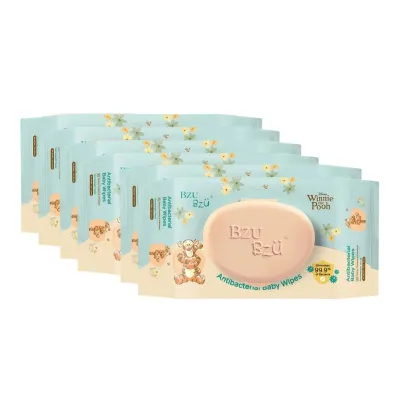
![[Exp 01/29] BZU BZU Bundle Deal - Ultra Gentle Fragrance-Free Baby Wet Wipes 6 x 80s](https://img.lazcdn.com/g/p/48fa4f1fb346fd32a62f62a1009d6a8a.jpg_400x400q80.jpg_.webp)
![[BUNDLE DEAL] BZU BZU Anti-Bacterial Baby Wipes 80pcs x12](https://img.lazcdn.com/g/p/b5275ecd5052563ae2706d16965f75b8.jpg_400x400q80.jpg_.webp)
![[BUNDLE DEAL] BZU BZU Anti-Bacterial Baby Wipes 80pcs x24](https://img.lazcdn.com/g/p/9e77ee4b5c856403fb209dbd99ab222f.jpg_400x400q80.jpg_.webp)
![[BUNDLE DEAL] BZU BZU Anti-Bacterial Baby Wipes 30pcs x24](https://img.lazcdn.com/g/p/f2eb039b4eb906ddf470ffb4c9ed26b9.jpg_400x400q80.jpg_.webp)
Prices are valid at publication and may change. Please refer to the product page for the latest price.
In addition to being highly permeable, newborn skin is exceptionally prone to rapid moisture loss and friction damage. The natural moisturizing factors and lipid production in an infant’s skin are not yet fully functional, leaving the skin susceptible to dryness and environmental stressors. The friction caused by frequent wiping during diaper changes can easily disrupt this fragile barrier, creating micro-tears that allow bacteria and irritants to enter. In Singapore’s warm and humid climate, trapped moisture in the diaper area can further exacerbate skin breakdown, making the choice of a gentle, non-abrasive wipe formulation even more critical.
To safeguard this delicate barrier, daily cleaning routines require pH-balanced and minimalist formulations. Healthy newborn skin has a slightly acidic pH, typically ranging between 4.5 and 5.5, which helps maintain the “acid mantle”—a protective barrier against harmful pathogens. Using wipes that are not pH-balanced can disrupt this natural acidity, leaving the skin vulnerable to infections and diaper rash. Minimalist formulations with fewer ingredients minimize the risk of triggering an allergic reaction, ensuring that only essential, soothing components come into contact with your baby’s skin.
How to Evaluate Bzu Bzu Wet Wipes for Daily Use
When selecting Bzu Bzu wet wipes for your newborn, the first and most crucial step is to locate and read the full ingredient list on the specific product packaging. Brands often manufacture multiple types of wipes, such as standard baby wipes, cooling wipes, or sanitizing wipes, each containing different formulations. Wipes designed for older babies or general family use may contain ingredients that are entirely unsuitable for a newborn’s highly sensitive skin. By examining the back of the pack, you can verify whether the specific variant you purchased is designed with a minimalist, gentle formula.

Next, look for specific dermatological testing claims, pediatrician approvals, or newborn suitability markers on the label. Manufacturers often submit their formulations for independent clinical evaluations to verify that they are hypoallergenic and safe for sensitive skin. While these labels provide a helpful baseline of assurance, parents should treat them as indicators to verify rather than absolute guarantees of safety. Check if the packaging explicitly states that the wipes are suitable for newborns or designed for ultra-sensitive skin, as these variants typically exclude common irritants.
Finally, always verify the expiration date and inspect the packaging seal before using the wipes on your baby. Using expired wet wipes can be hazardous, as the preservative system may have degraded over time, allowing harmful bacteria or mold to grow within the moist pack. Ensure that the plastic lid or adhesive seal closes tightly after every single use. A compromised seal not only dries out the wipes, rendering them less effective, but also exposes the remaining wipes to environmental contaminants that could irritate your newborn’s skin.
Key Ingredients to Look For and Avoid on the Label
Understanding how to read a wipe’s ingredient label empowers you to make informed decisions for your newborn’s skincare. When reviewing the ingredients on a pack of Bzu Bzu wipes, look for beneficial base components that support skin health. The primary ingredient should always be high-purity water, often listed as purified water or aqua, which provides gentle cleansing without leaving a heavy residue. Additionally, look for mild, natural soothing extracts such as aloe vera, chamomile, or calendula, which can help calm minor irritation and provide a light layer of hydration to the skin barrier.
Conversely, there are several common irritants that you should actively avoid when selecting wipes for a newborn. Alcohol, often listed as isopropyl alcohol or alcohol denat, should be entirely absent, as it strips natural lipids and causes severe dryness. Parabens, synthetic fragrances, and harsh preservatives like methylisothiazolinone (MIT) are also highly problematic for newborns, as they are frequent triggers for contact allergies and skin sensitization. Even products labeled “unscented” should be checked to ensure they do not contain masking fragrances used to hide the chemical smell of other ingredients.
To interpret the ingredient list accurately, remember that components are listed in order of concentration, from highest to lowest. The first few ingredients make up the vast majority of the liquid solution in the wipes, while ingredients listed at the very end are present in minimal amounts. If you notice beneficial extracts listed at the very bottom of the list, they are likely present in very low concentrations. Conversely, if you spot potential irritants or synthetic preservatives near the top of the list, it is best to avoid using those specific wipes on a newborn’s delicate skin.
Safe Usage Practices and Signs to Stop
Using wet wipes safely involves more than just choosing the right product; it also requires proper application techniques to prevent physical irritation. When cleaning your newborn’s diaper area, always practice gentle wiping techniques. Avoid rubbing or scrubbing the skin vigorously, as this physical friction can easily damage the fragile infant skin barrier. Instead, use a soft patting or light swiping motion to lift away residue. This minimizes friction and helps preserve the skin’s natural protective oils.
Caregivers must also exercise caution regarding where and when wipes are applied. Avoid using wet wipes on broken skin, deep skin folds that are already red and inflamed, or open wounds without explicit medical guidance. If your baby has a mild diaper rash, the ingredients in wet wipes—even gentle ones—can cause a stinging sensation and worsen the inflammation. In these situations, it is safer to clean the area using plain, lukewarm water and soft, disposable cotton cloths or cotton balls, gently patting the skin dry afterward.
Monitor your baby’s skin closely during and after use for any signs that indicate you should stop using the wipes immediately. If you notice new redness, a persistent rash, localized dryness, peeling, or if your baby becomes fussy and cries during cleaning, discontinue use of the wipes right away. These are common indicators of contact dermatitis or an allergic reaction to one of the ingredients. If an adverse reaction occurs, temporarily switch to plain water and soft cotton cloths for all diaper changes to allow the skin barrier to recover naturally.
When to Consult a Pediatrician or Dermatologist
While minor skin adjustments and mild, transient redness from friction are common in newborns, parents must know when to seek professional medical advice. Mild redness that appears briefly after a diaper change and resolves quickly with gentle care or a barrier cream is usually not a cause for alarm. However, if the redness persists, spreads, or does not improve within a few days of switching to plain water, it is important to have the skin evaluated by a healthcare professional.
There are several warning signs that require prompt medical attention from a pediatrician or dermatologist. If you observe a rash that is spreading rapidly beyond the diaper area, or if the skin develops blisters, pimples, oozing sores, or a thick yellow crust, these are signs of a potential bacterial or fungal infection. Additionally, if your baby develops a fever or seems unusually uncomfortable and inconsolable, seek medical care immediately. Do not attempt to diagnose or treat severe allergic reactions or persistent diaper dermatitis at home with over-the-counter creams without professional guidance.
Frequently Asked Questions (FAQ)
Can I use Bzu Bzu wipes on my newborn's face and hands?
You should always check the specific Bzu Bzu product label for explicit multi-use or face-safe claims before applying the wipes to your newborn’s face or hands. Wipes formulated primarily for the diaper area may contain cleansing agents or mild preservatives that, while safe for the body, can irritate the highly sensitive skin around the eyes and mouth. If the packaging does not explicitly state that the wipes are safe for facial use, it is best to use a separate, dedicated facial wipe or a soft cloth dampened with plain water for cleaning your baby’s face and hands.
Do I need to rinse my baby's skin after using these wipes?
Whether you need to rinse your baby’s skin depends on the specific wipe formulation and your newborn’s individual skin sensitivity. Many high-quality baby wipes are designed as no-rinse formulas, leaving a mild, hydrating barrier on the skin. However, if your baby has extremely sensitive skin or is prone to diaper rash, rinsing the area with plain water after wiping can help remove any lingering surfactant residues. Always ensure you pat the skin completely dry or allow it to air dry fully before putting on a fresh diaper to prevent trapping moisture.
How should I store wet wipes to maintain their safety and effectiveness?
To preserve the safety and effectiveness of your wet wipes, store the package in a cool, dry place away from direct sunlight and extreme heat. High temperatures can cause the liquid formulation to degrade more quickly and may compromise the preservative system, increasing the risk of bacterial growth. Always seal the plastic lid or adhesive tab tightly immediately after extracting a wipe to prevent the remaining sheets from drying out. If you notice an unusual odor, color changes, or any signs of mold, discard the entire pack immediately.

Community discussion
Share your experience or ask a question. Comments are reviewed before publication.