
Choosing the right baby wipe is a critical decision for parents, especially when navigating the humid climate of Singapore where sweat and moisture can easily trap irritants against a baby’s delicate skin. While Bzu Bzu wet wipes are widely available and marketed for infant care, determining if they are safe for your specific baby requires a close look at their formulation, your child’s skin type, and proper application methods. No single wipe is universally suitable for every infant, so understanding how to evaluate the ingredients and monitor your baby’s skin reaction is the best way to ensure a safe diapering routine.
Every baby’s skin barrier is unique, meaning what works seamlessly for one infant might cause irritation for another. As a caregiver, learning to decode product labels and perform simple safety checks empowers you to make informed decisions. This guide provides a practical framework to help you assess the safety of Bzu Bzu wipes, recognize signs of skin sensitivity, and implement best practices for daily cleansing.
Decoding the Ingredient List and Formulation
To evaluate the safety of any baby wipe, the first step is to examine the ingredient list on the back of the packaging. Manufacturers typically list ingredients in descending order of concentration, meaning the first few components make up the vast majority of the product. For baby wipes, the primary ingredient should always be highly purified water, which acts as the base solvent to cleanse the skin without leaving harsh residues.
Products mentioned in this guide
![[BUNDLE DEAL] BZU BZU Baby Wet Wipes | Kill 99.9% Germs | Safe for Face & Body](https://img.lazcdn.com/g/p/8346df933d1802f5c68bd3356eeb27a4.jpg_400x400q80.jpg_.webp)
![[BUNDLE DEAL] BZU BZU Ultra Gentle Baby Wipes 30pcs x12](https://img.lazcdn.com/g/p/b70968a8849e72d2db92b9cbc206919c.jpg_400x400q80.jpg_.webp)
![[CARTON DEAL] BZU BZU Ultra Gentle Fragrance Free Baby Wet Wipes 30pcs x48](https://img.lazcdn.com/g/p/72f9696d7be6da31ebc509535a7b84f6.jpg_400x400q80.jpg_.webp)
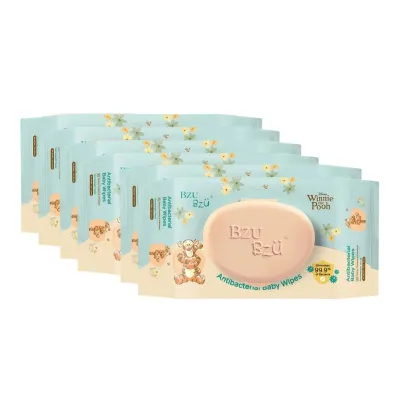
![[Exp 01/29] BZU BZU Bundle Deal - Ultra Gentle Fragrance-Free Baby Wet Wipes 6 x 80s](https://img.lazcdn.com/g/p/48fa4f1fb346fd32a62f62a1009d6a8a.jpg_400x400q80.jpg_.webp)
![[BUNDLE DEAL] BZU BZU Anti-Bacterial Baby Wipes 80pcs x12](https://img.lazcdn.com/g/p/b5275ecd5052563ae2706d16965f75b8.jpg_400x400q80.jpg_.webp)
![[BUNDLE DEAL] BZU BZU Anti-Bacterial Baby Wipes 80pcs x24](https://img.lazcdn.com/g/p/9e77ee4b5c856403fb209dbd99ab222f.jpg_400x400q80.jpg_.webp)
![[BUNDLE DEAL] BZU BZU Anti-Bacterial Baby Wipes 30pcs x24](https://img.lazcdn.com/g/p/f2eb039b4eb906ddf470ffb4c9ed26b9.jpg_400x400q80.jpg_.webp)
Prices are valid at publication and may change. Please refer to the product page for the latest price.
Next, look closely at the preservatives and cleansing agents used in the formulation. Preservatives are necessary in wet wipes to prevent the growth of harmful bacteria and mold in a moist environment, but some can be harsh on sensitive skin. Parents should verify that the specific pack of Bzu Bzu wipes they choose is free from high-risk preservatives like parabens, methylisothiazolinone (MIT), and formaldehyde releasers, which are known triggers for contact allergies.
It is equally important to check for the presence of added fragrances and alcohols. Simple alcohols (like isopropyl alcohol or ethanol) can severely dry out an infant’s skin barrier, leading to cracking and irritation, so alcohol-free formulations are highly recommended. While artificial fragrances make wipes smell pleasant, they are a common source of skin sensitization; choosing fragrance-free options is generally safer for daily diaper changes.
Additionally, examine the cleansing agents, often referred to as surfactants, included in the wipes. These agents help lift dirt and oils from the skin, but they must be exceptionally mild to avoid stripping the skin’s natural lipid barrier. Look for gentle, plant-derived surfactants on the label, and avoid products containing harsh sulfates that can cause dryness and itching.
Finally, identify any skin-conditioning agents included in the formula, such as aloe vera, chamomile, or vitamin E. These ingredients are designed to soothe the skin and help retain moisture, which is particularly beneficial in preventing diaper rash. However, caregivers must remember that even natural botanical extracts can occasionally cause localized reactions in highly sensitive infants, making individual verification essential.
Spotting Potential Skin Reactions and Irritation Signs
Even when a product is formulated with gentle ingredients, a baby’s skin barrier is significantly thinner and more permeable than an adult’s, making it highly susceptible to irritation. Caregivers should regularly inspect the diaper area, thighs, and skin folds for early signs of contact dermatitis. This typically presents as localized redness, dry or rough patches, small bumps, or a warm-to-the-touch sensation where the wipe was applied.

Newborns, premature infants, and babies with a family history of eczema require heightened vigilance. Their skin barriers are still developing and may react poorly to ingredients that older infants tolerate without issue. In Singapore’s warm and humid weather, trapped moisture in skin folds can exacerbate these reactions, turning mild irritation into a painful rash if not addressed quickly.
It is also important to distinguish between standard diaper rash and contact allergy caused by a specific product. Diaper rash often occurs in areas directly exposed to wetness and friction from the diaper itself, whereas a reaction to a wet wipe may cover the entire area cleansed by the wipe, including the outer thighs and lower abdomen. Keeping a close eye on the exact pattern of redness can help you pinpoint the source of the trouble.
If you notice persistent redness, swelling, or if your baby shows signs of discomfort during wiping, it is crucial to stop using the wipes immediately. Temporarily switch to cleaning the diaper area with plain, lukewarm water and soft cotton balls or a clean, dry cloth. This elimination step helps determine whether the wet wipes were the primary cause of the skin irritation.
How to Verify Safety and Perform a Patch Test
Before introducing any new brand of wet wipes into your daily routine, performing a localized patch test is a highly effective way to minimize the risk of a widespread allergic reaction. To conduct a patch test, take a single wipe and gently dab a small amount of the liquid onto a discrete area of your baby’s skin, such as the inner forearm or the side of the thigh. Monitor this specific spot closely over the next twenty-four to forty-eight hours for any signs of redness, swelling, or irritation.
While conducting your own test, take a moment to verify the safety claims printed on the product packaging. Look for labels indicating that the wipes have undergone dermatological testing, are formulated to be hypoallergenic, or have received pediatric approval. Keep in mind that these terms are not universally standardized, so they should be treated as helpful indicators rather than absolute guarantees of safety.
Caregivers should also research whether the manufacturer provides transparent access to their testing standards or ingredient sourcing. Reputable brands often share detailed product information on their official websites, allowing you to verify the specific certifications they claim to hold. If a brand’s safety claims seem vague or lack supporting details, it is wise to exercise extra caution.
If your baby experiences a persistent rash, skin peeling, or signs of infection such as pus or extreme tenderness, pause all product use and consult a qualified pediatrician or dermatologist. Avoid applying over-the-counter medicated creams or antiseptic lotions without professional guidance, as these can sometimes worsen the irritation or mask underlying symptoms.
Best Practices for Safe and Gentle Daily Use
The way you physically use wet wipes plays a significant role in maintaining your baby’s skin health. When cleaning the diaper area, use gentle, patting motions rather than vigorous rubbing. Excessive friction can cause micro-tears in the delicate outer layer of the skin, making it easier for bacteria and chemical irritants to penetrate the skin barrier and cause painful inflammation.
Caregivers must also observe strict boundaries regarding where wet wipes are applied. Unless a product is explicitly labeled as safe for all-over use, avoid using standard diaper wipes near sensitive areas such as the eyes, inner ears, nose, and mucous membranes. The cleansing agents and preservatives that are perfectly safe for the resilient skin on a baby’s bottom can cause stinging and irritation in these highly sensitive zones.
Proper storage is another critical factor in preserving the safety and stability of baby wipes, especially in tropical climates. Always seal the resealable sticker or plastic lid tightly after every use to prevent the wipes from drying out and to protect them from airborne contaminants. Store the packs in a cool, dry place away from direct sunlight, as excessive heat can degrade the preservatives and encourage the growth of bacteria inside the packaging.
Furthermore, consider the environmental impact and disposal of the wipes you use. Most baby wipes are not flushable and can cause severe plumbing blockages if disposed of in the toilet, particularly in high-density apartment buildings. Always dispose of used wipes in a designated diaper bin to maintain hygiene and prevent household plumbing issues.
Frequently Asked Questions (FAQ)
Can I use these wipes on my baby's face and hands?
You should always check the manufacturer’s label on your specific pack of Bzu Bzu wipes to see if they are explicitly cleared for facial use. The skin on a baby’s face is thinner and more sensitive than the skin on their body, and proximity to the mouth and eyes increases the risk of ingestion or ocular irritation. If the packaging does not clearly state that the wipes are safe for the face, it is best to use a clean washcloth dampened with plain water for cleaning hands and mouth after meals.
What should I do if my baby develops a rash after using the wipes?
If a rash develops, stop using the wipes immediately and wash the affected area gently with lukewarm water to remove any remaining product residue. Allow the skin to air-dry completely before putting on a fresh diaper, as trapping moisture can worsen the rash. Avoid applying unprescribed medicated creams, and consult a pediatrician if the redness does not improve within a few days or if your baby seems to be in pain.
Community discussion
Share your experience or ask a question. Comments are reviewed before publication.