
When preparing a nursery for a newborn, choosing a safe and secure sleeping environment is the most critical decision you will make. A high-quality baby cot must serve as a secure sanctuary, protecting your infant during unsupervised sleep. The boori cot is a popular premium choice for parents, but brand reputation alone should never be the sole basis for your purchase when it comes to infant safety.
Yes, Boori cots are safe for newborns, provided you verify that your specific model complies with current international safety standards, is assembled correctly, and is paired with a firm, properly fitting mattress. Because safety guidelines and manufacturing specifications can change over time, parents must understand how to verify these certifications and inspect the physical product before use.
This guide outlines the specific safety benchmarks Boori cots meet, how to locate and verify these credentials, and the essential setup and maintenance steps required to keep your newborn safe.
Products mentioned in this guide

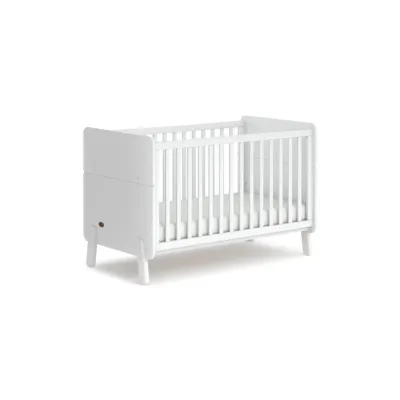
![[Free Installation] Australia Boori Oasis Oval Convertible Cot](https://img.lazcdn.com/g/p/d9673baa930e99bd30b3ba0c74ab805e.jpg_400x400q80.jpg_.webp)
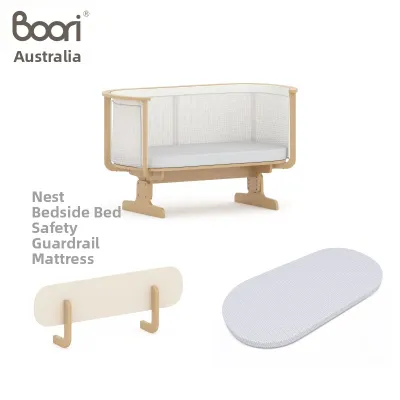
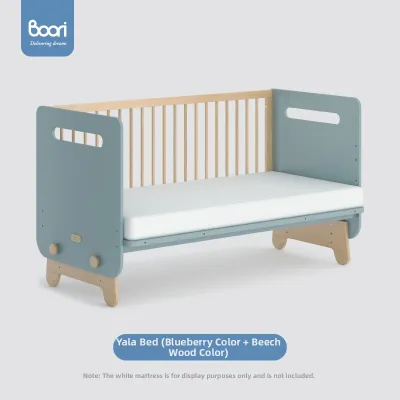
Prices are valid at publication and may change. Please refer to the product page for the latest price.
Understanding Baby Cot Safety Standards
Safety standards for nursery furniture are not mere administrative guidelines; they are rigorous, evidence-based specifications designed to prevent life-threatening accidents. These regulations exist to eliminate known hazards such as head or limb entrapment, falls, suffocation, strangulation from protruding parts, and structural collapse. When a cot is certified, it means a representative sample of that model has undergone mechanical testing to withstand repeated impacts, force, and environmental wear.
Different regions utilize distinct regulatory frameworks to govern nursery furniture safety. In Australia and New Zealand, the applicable standard is AS/NZS 2172, which is widely regarded as one of the strictest safety benchmarks globally. In Europe and the United Kingdom, cots must comply with the EN 716 standard, which dictates structural integrity and dimensional limits. North American models are generally tested against ASTM F1169 standards.
In Singapore, consumer protection guidelines managed by Enterprise Singapore require general consumer products, including nursery furniture, to be safe for their intended use. While Singapore does not enforce a unique, separate domestic manufacturing standard specifically for baby cots, the regulatory framework strongly encourages and recognizes compliance with these major international benchmarks. Consequently, verifying that a cot meets Australian, European, or British standards is the most reliable way for parents in Singapore to ensure a product’s safety.
How to Verify Boori Cot Certifications
While Boori is a well-known brand globally, a recognizable name does not replace the need to verify the credentials of the specific model you own or plan to purchase. Manufacturers often produce different product lines for different global regions, and older or discontinued models may not meet current safety expectations. You must treat safety verification as an active step rather than assuming all models are identical.

To verify the safety certifications of a specific model, start by inspecting the physical cot frame. Compliant cots typically feature a permanent, legible warning label or stamp applied directly to the wooden frame, often on the underside of the mattress base or the inner surface of an end panel. This label should explicitly state the manufacturer’s name, the model number, the date of manufacture, and the specific safety standards it claims to meet, such as AS/NZS 2172 or EN 716.
Next, cross-reference this information with the official product manual and the manufacturer’s documentation. The user guide should contain a dedicated section outlining safety compliance, complete with the exact standard numbers and any specific weight or age limits. You can also visit the official brand website to search for compliance certificates or product information sheets for your exact model.
If you cannot locate clear certification labels, standard numbers, or compliance statements on the physical product, its packaging, or within the official manual, do not assume it is safe. In such cases, you should contact the retailer or the manufacturer directly to request written proof of compliance. Do not allow your newborn to sleep in the cot until you have verified that the specific model has passed independent safety testing.
Key Safety Features to Check for Newborns
Even a certified cot must be physically inspected upon assembly to ensure that no manufacturing defects exist and that the unit has been put together correctly. A thorough physical check is your final line of defense before placing your newborn down to sleep.
Bar Spacing and Structural Height
Slat Gap Limits: The distance between the vertical slats of the cot must be narrow enough to prevent your baby’s head, limbs, or body from slipping through or becoming trapped. Under standard safety specifications, the gap between slats must be between 50mm and 65mm. You can easily check this during assembly by measuring the distance with a ruler; if the gap is wider than 65mm, the cot is unsafe and must not be used.
Containment Height: The structural height of the cot sides must be sufficient to prevent a baby from falling out. For a newborn, the mattress base is typically set to its highest position, but there must still be a substantial protective barrier. Ensure that the distance from the top of the mattress to the top of the lowest cot side is deep enough to contain your baby securely as they begin to move.
Mattress Fit and Firmness
The Two-Finger Rule: To prevent your newborn from suffocating or becoming trapped in a gap, the mattress must fit the cot frame perfectly. Place the mattress inside the cot and push it firmly into one corner. Measure the remaining gap between the mattress and the opposite sides; if you can fit more than two fingers (approximately 20mm) into the gap, the mattress is too small for the cot and poses a severe entrapment hazard.
Surface Firmness: A newborn’s mattress must be exceptionally firm and completely flat. Soft sleeping surfaces can conform to a baby’s face and lead to suffocation if they roll over. Test the firmness by pressing your hand firmly onto the center and edges of the mattress; it should feel rigid and spring back immediately without leaving any lasting indentation or hollow.
Hardware and Surface Finish
Non-Toxic Finishes: Babies frequently chew on cot rails, especially when teething. You must verify that all paints, stains, varnishes, or lacquers used on the wood are certified non-toxic, lead-free, and compliant with chemical safety standards such as EN 71-3. Inspect the entire surface to ensure there is no peeling, cracking, or flaking paint that could be ingested.
Secure Fasteners: Examine all assembly hardware, including screws, bolts, brackets, and dowels. Every fastener must be tightened completely so that there are no loose joints or structural wobbles. Ensure that no hardware protrudes from the frame, as protruding bolts can snag a baby’s clothing or sleep sack, presenting a serious strangulation risk. Check the wooden surfaces for any splinters, sharp edges, or rough patches.
Safe Sleep Practices and Cot Setup
Creating a secure sleeping environment involves more than just buying a certified cot; the way you position the furniture and arrange the bedding is equally vital for your newborn’s protection.
Place the cot in a safe location within the room, away from potential hazards. Keep it well clear of windows, where cords from blinds or curtains present a severe strangulation risk. In Singapore’s climate, position the cot away from direct air conditioner drafts, open windows, or mechanical fans that could cause sudden temperature changes. Ensure there are no heavy wall hangings, shelves, or electrical cords within reach of the cot.
Keep the interior of the cot completely bare. The only items that belong in a newborn’s cot are a firm, properly sized mattress and a tight-fitting sheet designed specifically for that mattress. Do not place pillows, loose blankets, quilts, sheepskins, or soft toys inside the cot, as these are major suffocation hazards. Additionally, avoid using traditional padded cot bumpers; they can restrict airflow, pose a suffocation risk, and eventually serve as a foothold for older babies to climb out.
Always place your newborn on their back to sleep for every sleep period, both day and night. This practice is one of the most effective ways to reduce the risk of Sudden Infant Death Syndrome (SIDS). Ensure that caregivers, grandparents, and babysitters are fully aware of and adhere to this rule.
Take advantage of the adjustable mattress base feature correctly. Boori cots typically offer at least two base heights. You should use the highest setting for a newborn, as this allows you to lift your baby in and out easily without straining your back. However, you must lower the mattress base to its lowest position as soon as your baby shows any signs of being able to sit up, roll over, kneel, or pull themselves up on the side rails.
When to Stop Using or Seek Professional Advice
As your child grows, their physical capabilities will change, meaning a sleeping environment that was safe for a newborn may eventually become hazardous.
Monitor your child’s height and physical milestones to determine when to transition them out of the cot. You must stop using the cot when your child reaches the manufacturer’s stated maximum weight or height limit, or as soon as they show the ability to climb out of the cot independently. Generally, when the height of the side rail is less than three-quarters of your child’s height, or when they reach approximately 89cm tall, it is time to transition to a toddler bed.
Stay informed about product safety by regularly checking for safety alerts or product recalls. In Singapore, you can monitor the Enterprise Singapore consumer protection portal or global safety databases to ensure your specific cot model has not been flagged for safety issues. Manufacturers occasionally issue voluntary recalls or safety notices that require you to install a retrofit kit or stop using the product entirely.
If your cot suffers any structural damage, stop using it immediately. Wood split rails, cracked slats, stripped screw holes, or warped panels compromise the structural integrity of the furniture. Do not attempt makeshift repairs with hardware store screws, glue, or non-original parts. If any hardware is missing or broken, contact the manufacturer or an authorized distributor to obtain certified replacement components. If you are unsure about the safety or stability of the cot, consult a qualified professional before allowing your child to use it again.
Frequently Asked Questions (FAQ)
Is it safe to use a second-hand Boori cot for a newborn?
Using a second-hand cot carries inherent safety risks that require meticulous evaluation. Pre-owned furniture may have suffered structural fatigue, wood warping, or micro-fractures that are not immediately visible. Furthermore, older models might not comply with current, updated safety standards, or they may be missing critical assembly hardware and the original instruction manual.
If you choose to use a second-hand Boori cot, you must perform a rigorous safety check. Verify the exact model name and manufacture date, and ensure you have the original, official manual to guide assembly. Confirm that every single original bolt and bracket is present, as substituting generic hardware can cause structural failure. Inspect the slats and frame thoroughly for cracks, splinters, or loose joints, and cross-reference the model number against official recall databases. Finally, never reuse a second-hand mattress; always purchase a brand-new, firm mattress that fits the cot dimensions perfectly.
Must I use the official Boori mattress with the cot?
While using an official Boori mattress guarantees a perfect dimensional match, you are not strictly required to purchase the same brand’s mattress. You can safely use a third-party mattress, provided it meets the precise physical specifications required for your specific cot model.
To ensure safety, you must check the compliance label on the cot frame, which will list the exact mattress dimensions required (length, width, and maximum thickness). The replacement mattress must match these measurements perfectly to eliminate any gaps. It must also pass the physical firmness check, lie completely flat, and leave no more than a 20mm gap on any side when placed in the center of the cot. If a third-party mattress does not meet these criteria precisely, do not use it, as any deviation poses a severe entrapment or suffocation risk for your newborn.

Community discussion
Share your experience or ask a question. Comments are reviewed before publication.