
Quick Answer: Are Bello Wet Wipes Safe for Newborn Skin?
Bello wet wipes can be safe for newborns, but their safety depends entirely on the specific product variant you choose and your individual baby’s skin tolerance. Newborn skin is highly permeable, fragile, and significantly thinner than adult skin, making it highly reactive to external substances. While many commercial baby wipes are formulated to be gentle, there is no single standard for what makes a wipe completely safe for every infant.
Safety is relative to the absence of known irritants in the specific Bello variant being considered and the integrity of your baby’s unique skin barrier. Formulations can change or vary significantly across different product lines, such as sensitive, fragrance-free, or standard scented options. Parents must read the specific ingredient label on the packaging rather than relying solely on brand reputation or front-of-pack marketing claims.
How to Evaluate the Ingredient List on Bello Wipes
Evaluating the ingredient list on a pack of Bello wet wipes requires looking past marketing buzzwords and examining the actual chemical composition. The order of ingredients on the label indicates their concentration, with the highest-percentage ingredients listed first. Understanding this structure helps you make an informed decision for your newborn’s skin care.
Products mentioned in this guide
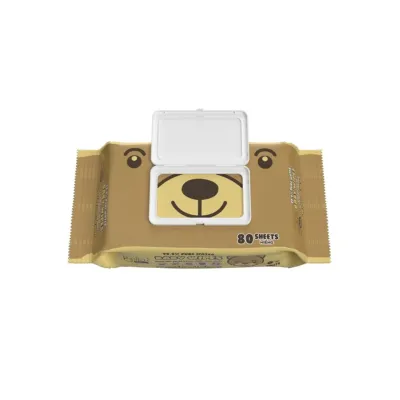
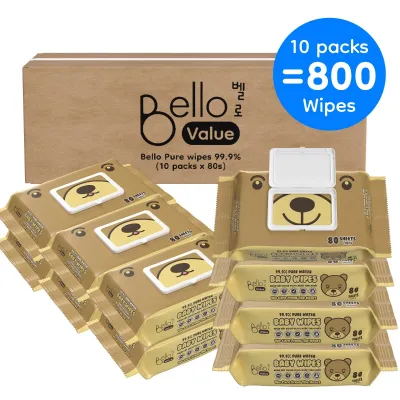
Prices are valid at publication and may change. Please refer to the product page for the latest price.

The Base Ingredient
Purified water (often listed as Aqua) should always be the primary component, ideally making up 97% to 99% of the formulation. A high water content minimizes the need for heavy cleansing agents and ensures that the wipe cleanses primarily through physical lifting rather than chemical action. When water is the dominant ingredient, the risk of chemical residue left on the baby’s skin is greatly reduced.
Gentle Moisturizers and Soothing Agents
Many baby wipes incorporate additives to soothe the skin and counteract any potential dryness from wiping. Common skin-conditioning agents include:
- Aloe Vera (Aloe Barbadensis Leaf Juice): Known for its hydrating and anti-inflammatory properties, it helps soothe mild skin irritation.
- Chamomile (Chamomile Recutita Flower Extract): A traditional botanical ingredient used to calm redness and sensitive skin.
- Vitamin E (Tocopheryl Acetate): An antioxidant that supports skin barrier health and helps maintain moisture.
While these botanical extracts and vitamins are generally well-tolerated, natural ingredients can still trigger allergic contact dermatitis in a small subset of highly sensitive infants. Natural does not automatically mean non-irritating.
Dermatological Testing and Hypoallergenic Labels
When examining Bello packaging, look for specific claims such as “dermatologically tested,” “hypoallergenic,” or “pediatrician approved.” It is important to understand that these terms are not always strictly regulated. “Hypoallergenic” simply means the product is formulated with ingredients that are less likely to cause allergic reactions, but it does not guarantee a zero-allergy response. Always verify these marks by looking for independent certification seals or clinical testing details on the manufacturer’s official documentation.
Common Wipe Ingredients That May Irritate Newborns
To effectively screen Bello wet wipes, you must know which ingredients pose a higher risk of irritation, dryness, or allergic contact dermatitis. Newborn skin has an underdeveloped stratum corneum, making it highly susceptible to chemical penetration.
Fragrances
Fragrance is one of the leading causes of cosmetic contact allergy in both children and adults. This category includes synthetic perfumes as well as natural essential oils (such as lavender, citrus, or tea tree oil). Even if a product smells pleasant, those aromatic compounds can disrupt the skin barrier and cause red, itchy patches. For newborns, choosing a product explicitly labeled “fragrance-free” rather than “unscented” (which may contain masking fragrances to neutralize chemical odors) is the safest approach.
Preservatives
Because wet wipes are pre-moistened and stored in warm, dark diaper bags, they require preservatives to prevent the growth of harmful bacteria, mold, and yeast. However, some preservatives are highly irritating to delicate skin. Parents should be cautious of:
- Methylisothiazolinone (MI): A potent allergen that has been widely phased out of leave-on products but may still appear in some formulations.
- Parabens (such as Methylparaben or Propylparaben): Often avoided due to consumer concerns regarding skin absorption.
- Phenoxyethanol: A common preservative that is generally safe in concentrations under 1%, but can cause irritation on broken, raw, or diaper-rash-prone skin.
Alcohol and Harsh Surfactants
Ingredients like denatured alcohol, isopropyl alcohol, or strong cleansing agents like Sodium Lauryl Sulfate (SLS) and Sodium Laureth Sulfate (SLES) should be avoided. Alcohol strips the skin’s natural lipid barrier, leading to rapid moisture loss, dryness, and micro-tears. In Singapore’s hot and humid climate, stripped skin combined with trapped sweat and friction can rapidly escalate into severe diaper rash or secondary yeast infections.
Safe Usage Guidelines and When to Discontinue Use
Using wet wipes safely involves adopting proper hygiene habits and monitoring your newborn’s skin reactions closely. Even the gentlest wipe can cause issues if used incorrectly or excessively.
Limit Wipe Usage to Messy Diapers
Reserve commercial wet wipes primarily for cleaning up feces during messy diaper changes. For routine, light cleaning when the baby has only urinated, rely on plain warm water and soft cotton cloths. This practice minimizes the cumulative exposure of your baby’s skin to preservatives and cleansing agents, preserving the natural acidic mantle of the newborn skin barrier.
Adopt the Pat-Dry Technique
Avoid rubbing or scrubbing the diaper area aggressively. The friction from repetitive wiping can damage the delicate skin barrier, creating micro-abrasions that allow bacteria and moisture to penetrate. Instead, use a gentle dabbing or patting motion to clean the skin, and always allow the area to air-dry completely before putting on a fresh diaper.
Recognize Stop-Use Conditions
Discontinue using the wipes immediately if you observe any of the following signs on your baby’s skin:
- Persistent redness or localized swelling
- Peeling, flaking, or extreme dryness
- Oozing, blisters, or small pimples
- Hives or raised red bumps
- Signs of pain, crying, or flinching during wiping
If diaper rash or irritation persists for more than two to three days despite stopping wipe use, consult a pediatrician or pediatric dermatologist. Do not attempt to treat persistent rashes with unverified home remedies, as these can worsen the irritation.
Patch Testing and Gentle Alternatives for Sensitive Skin
Before fully committing to using a new pack of Bello wet wipes on your newborn’s highly sensitive diaper area, performing a simple patch test is a practical way to minimize risk.
How to Perform a Wipe Patch Test
- Take a single wipe from the newly opened package.
- Gently swipe the wipe over a small, clean, and discreet area of your baby's skin, such as the inner arm or the side of the thigh.
- Allow the liquid to dry naturally.
- Wait 24 hours while keeping the area clean and dry.
- Observe the spot closely for any signs of redness, swelling, tiny bumps, or dry patches. If no reaction occurs, the product is likely suitable for broader use.
Practical Alternatives for Extra-Sensitive Skin
For premature infants, babies with diagnosed eczema, or those with highly reactive skin, commercial wet wipes may still be too harsh. In these scenarios, consider using dry cotton balls or reusable bamboo/cotton cloth wipes dipped in plain, cooled boiled water. You can also use dedicated water-only wipe dispensers that allow you to moisten dry wipes immediately before use, entirely eliminating the need for synthetic preservatives and chemical additives.
Frequently Asked Questions (FAQ)
Can I use Bello wet wipes on my newborn's face and hands?
The skin on a newborn’s face, particularly around the eyes and mouth, is significantly thinner and more sensitive than the skin on their bottom. While some baby wipes are marketed for full-body use, you should check the specific Bello packaging for explicit facial safety claims. If the product is not explicitly cleared for facial use, avoid using it near the eyes and mouth, and opt for plain water or dedicated facial wipes instead.
Do Bello wipes prevent or cure diaper rash?
Baby wipes do not actively prevent or cure diaper rash. While they assist in hygiene by removing irritating enzymes found in urine and feces, the wipes themselves do not contain therapeutic properties to heal damaged skin. Effective diaper rash management relies on frequent diaper changes, allowing the skin to air-dry completely, gentle cleaning with warm water, and applying a thick barrier cream containing zinc oxide or pure petroleum jelly.

Community discussion
Share your experience or ask a question. Comments are reviewed before publication.