
Bello Pure Water wipes are frequently considered by parents seeking a gentle diapering solution, but determining whether they are safe for a newborn with sensitive skin requires understanding your baby’s unique skin barrier and verifying the product’s specific formulation. Because a newborn’s skin is exceptionally thin and its natural protective barrier is still developing, individual skin tolerance can vary significantly. While water-based wipes are designed to minimize chemical exposure, absolute safety cannot be guaranteed for every infant. Parents should always verify the specific ingredient list, check for potential allergens, and consult a pediatrician or dermatologist for personalized medical advice regarding newborn skincare.
Understanding Pure Water Wipes and Newborn Skin Tolerance
Pure water baby wipes are formulated to provide a highly gentle cleansing experience by using purified water as their primary liquid medium. In the baby care industry, “pure water” typically implies that the water has undergone rigorous filtration processes, such as reverse osmosis or deionization, to remove impurities, minerals, and chlorine. This high water content is intended to mimic the traditional, pediatrician-recommended method of cleansing a newborn’s skin with a damp cotton ball and plain water, making it a common baseline option for infants with sensitive skin.
However, whether a product is entirely safe depends heavily on the individual newborn’s specific skin condition, environmental factors, and underlying sensitivities. A newborn’s outer skin layer, the stratum corneum, is up to 30 percent thinner than adult skin, making it highly permeable and more susceptible to absorbing topical substances. Environmental conditions, such as the high humidity and warmth typical of tropical climates like Singapore, can also influence skin hydration and friction levels under a diaper. Consequently, what works perfectly for one infant might cause mild irritation in another.
Products mentioned in this guide
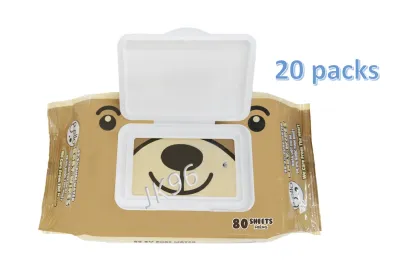
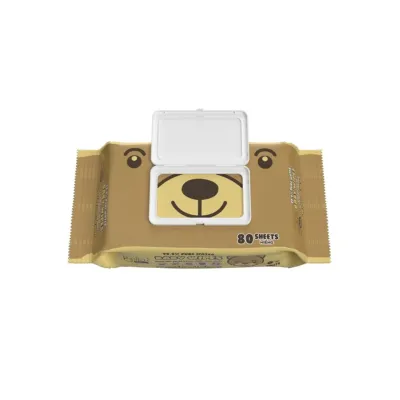
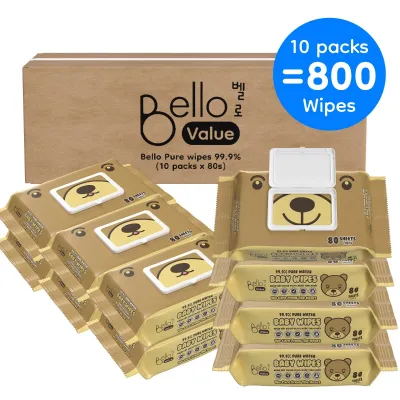
![[Bello] Pure Water Baby Wipes Sheet Size 200mm x 150mm * Expiry 2028 | No Alcohol & Fragrance Free For An Effective Yet Soft And Gentle Clean For Newborn Babies | Ideal For Diapering Hand And Mouth Cleaning Or A Quick Head To Toe Wash](https://img.lazcdn.com/g/p/d13510e4d12a43655ce4074cdf58c2c4.jpg_400x400q80.jpg_.webp)
Prices are valid at publication and may change. Please refer to the product page for the latest price.
Because of these individual variations, parents must consult a pediatrician or dermatologist for personalized medical advice before introducing new skincare products to a newborn. A healthcare professional can evaluate your baby’s skin type, identify potential risk factors for conditions like atopic dermatitis, and recommend a tailored skincare routine. Relying solely on product marketing or general recommendations is not a substitute for professional medical guidance.
How to Read the Ingredient List and Safety Labels
To make an informed decision, caregivers must learn to read the packaging of Bello Pure Water wipes to identify potential irritants and verify the manufacturer’s claims. Although these products are marketed as pure water wipes, a pre-packaged wet wipe cannot consist of 100 percent water. Without any secondary ingredients, standing water in a sealed plastic package would quickly become a breeding ground for harmful bacteria, mold, and fungi. Therefore, parents must inspect the ingredient deck on the back of the pack to understand what else is included.

First, check the exact water percentage declared by the manufacturer, which is often highlighted on the front label. Next, look closely at the remaining ingredients, which typically include mild preservatives, pH adjusters, or skin-conditioning agents. Safe formulations generally utilize food-grade preservatives, such as sodium benzoate or citric acid, to maintain product stability and safety. Parents should actively avoid wipes that contain harsh parabens, phenoxyethanol, alcohol, or synthetic fragrances, as these substances are known triggers for contact dermatitis and skin dryness in sensitive newborns.
Additionally, look for recognized safety certifications or dermatological testing claims on the label. Phrases like “Dermatologically Tested” or “Hypoallergenic” indicate that the product has undergone evaluation, but parents should verify the current validity of these claims by researching the manufacturer’s testing standards or checking official certification databases. Because formulations can be updated without major changes to the front packaging, reading the fine print on every newly purchased batch is a necessary habit.
Finally, always check the manufacturing date, expiration date, and batch information printed on the packaging. In warm, humid climates, storing wipes past their expiration date or using a compromised batch can lead to the degradation of the preservative system, increasing the risk of microbial contamination. Ensuring the product is fresh and well within its shelf life is a simple yet critical step in protecting your newborn’s delicate skin.
Recognizing Skin Reactions and When to Stop Use
Even when using wipes with highly simplified ingredient lists, caregivers must remain vigilant and monitor the newborn’s skin for any adverse reactions. Recognizing the early signs of skin irritation allows parents to take prompt action before a mild reaction escalates into a painful diaper rash or a secondary infection. Newborn skin can react quickly to friction, moisture, or specific chemical compounds.
Common observable signs of newborn skin irritation include:
- Redness or flushing: Localized pink or red patches in the diaper area, creases of the thighs, or other areas where the wipe was applied.
- Dryness and peeling: Flaky, rough, or peeling skin patches that suggest the skin barrier is losing moisture.
- Tiny bumps or papules: Small, raised red bumps that may indicate contact dermatitis or heat rash.
- Unusual fussiness: Crying, squirming, or showing clear signs of discomfort during diaper changes, which can indicate that the wiping action or the solution itself is causing a stinging or burning sensation.
If any of these signs occur, the immediate step is to stop using the wipes completely. Gently cleanse the affected area using only lukewarm plain water and a soft, clean cotton pad or cloth, avoiding any rubbing. Allow the skin to air dry fully, and consider leaving the diaper off for short periods to reduce moisture buildup. Do not apply over-the-counter medicated creams or home remedies without consulting a professional, as these can sometimes exacerbate the irritation.
Parents must seek professional medical evaluation if the skin reaction does not improve within 24 to 48 hours of discontinuing the wipes, or if the rash spreads beyond the immediate contact area. Immediate medical attention is required if the skin develops open sores, blisters, oozing, bleeding, or if the baby develops a fever. A pediatrician can provide an accurate diagnosis and prescribe safe, age-appropriate treatments to restore the skin barrier.
Gentle Wiping Techniques to Protect Delicate Skin
Implementing proper wiping techniques is just as important as choosing the right product. The physical friction of wiping can compromise the fragile newborn skin barrier, making it more susceptible to irritation from wetness and soil. By adopting a gentle, low-risk diapering routine, caregivers can significantly minimize the risk of skin breakdown.
When cleansing the diaper area, always use gentle patting or dabbing motions instead of rubbing or dragging the wipe across the skin. Rubbing creates friction that can micro-tear the delicate outer layer of the skin, leading to soreness and inflammation. If soil is difficult to remove, gently hold a damp wipe over the area for a few seconds to soften the residue before dabbing it away. Always wipe from front to back, especially for baby girls, to prevent the spread of bacteria.
After cleansing, ensure the skin is completely dry before putting on a new diaper. Trapping moisture inside a tight diaper creates a humid environment that weakens the skin and encourages fungal growth. Parents can allow the skin to air dry naturally for a few minutes or gently pat the area dry with a soft, clean, dry cotton cloth. Ensuring the skin is dry to the touch helps maintain the integrity of the skin barrier.
For parents introducing a newly opened pack of wipes, performing a small patch test is a highly recommended precautionary measure. Gently wipe a small, less sensitive area of the baby’s skin, such as the inner forearm or the outer thigh, and wait 24 hours to observe any signs of redness, swelling, or irritation. If the skin remains clear, the wipes can be introduced into the regular diapering routine with greater confidence, though ongoing observation remains essential.
Frequently Asked Questions (FAQ)
Can I use pure water wipes on a newborn's face and hands?
While pure water wipes are designed to be exceptionally gentle, the skin on a newborn’s face is thinner and more sensitive than the skin on their diaper area. Additionally, the facial area is highly exposed to environmental elements and is close to sensitive mucous membranes like the eyes and mouth. Caregivers should always check the manufacturer’s specific usage instructions on the Bello packaging to confirm if facial use is recommended. If cleared by the manufacturer, ensure you avoid the immediate eye area and mouth, and stop use immediately if any facial redness or irritation develops.
How should I store baby wipes to maintain their safety?
To preserve the integrity of the preservative system and prevent bacterial growth, baby wipes must be stored in a cool, dry place away from direct sunlight and extreme temperature fluctuations. Avoid leaving wipe packages in hot vehicles, near windows, or close to heating appliances, as excessive heat can accelerate the breakdown of the mild preservatives. Always ensure the plastic lid or adhesive resealable tab is pressed down firmly and tightly sealed after every single use. This prevents the wipes from drying out and protects the remaining sheets from airborne dust, moisture, and potential contaminants.

Community discussion
Share your experience or ask a question. Comments are reviewed before publication.