
When deciding on the right sleeping environment for your infant, safety is naturally your primary concern. If you are considering a Beblum crib, determining its safety requires looking beyond brand reputation to verify the specific model’s compliance with recognized international safety standards. Because safety depends heavily on the exact model, proper assembly, and correct usage, there is no single blanket guarantee for any brand. Instead, you can ensure a secure sleep space by learning how to evaluate official certifications, inspect physical product details, and follow safe usage guidelines.
Quick Answer: Assessing Beblum Crib Safety
To determine if a Beblum crib is safe for your baby, you must evaluate the specific model’s design, materials, and certified compliance with international safety benchmarks. Safety is not a universal attribute of a brand; it is a measurable quality of individual products. You should never assume a crib is safe simply because it is popular or widely available in retail stores.
A reliable assessment requires checking the official product documentation, looking for physical certification labels on the crib itself, and verifying that the model meets recognized safety standards. By combining these documentary checks with a thorough physical inspection of the assembled crib, you can confidently decide whether a specific model meets your family’s safety requirements.
Products mentioned in this guide
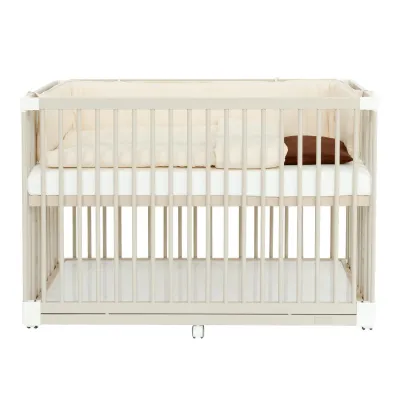
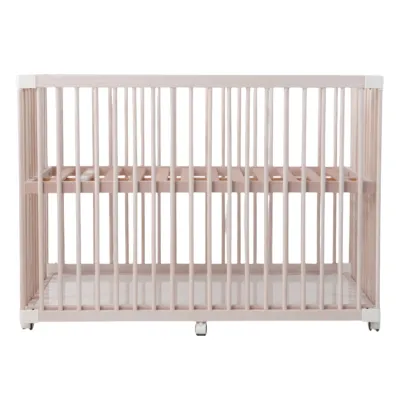
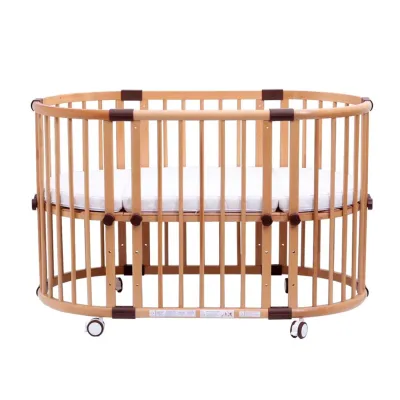


Prices are valid at publication and may change. Please refer to the product page for the latest price.
Recognized Baby Crib Safety Standards in Singapore
When shopping for baby furniture in Singapore, understanding the regulatory landscape helps you identify truly secure products. The Consumer Product Safety Office (CPSO), which operates under Enterprise Singapore, oversees the safety of general consumer goods. While the CPSO provides guidelines and monitors safety, baby cribs sold locally are typically tested against established international standards rather than a unique local benchmark.

The European standard EN 716 is one of the most common and rigorous benchmarks you will encounter. This standard specifies safety requirements for children’s cots and folding cots for domestic use. It covers critical safety dimensions, including the strength of the frame, the spacing of the slats, the height of the sides, and the safety of the materials used in construction. If a crib model is certified to EN 716, it has undergone testing to ensure it can withstand daily use without posing entrapment or structural failure risks.
Another widely recognized benchmark is the American standard ASTM F1169. This standard outlines strict testing protocols for full-size baby cribs, focusing on structural integrity, spindle strength, latch mechanisms, and the prevention of accidental folding or collapse. Similarly, the Australian and New Zealand standard AS/NZS 2172 sets high bars for crib safety, particularly regarding the design of drop-side mechanisms and the minimum distance between the mattress base and the top of the crib rail.
To verify these certifications, look for official marks or references printed on the product packaging, within the user manual, or on a permanent label affixed to the crib frame. Genuine certifications are backed by test reports from accredited, independent testing laboratories such as TÜV, SGS, or Intertek. If a retailer claims a crib is certified, they should be able to reference these specific standards and testing bodies.
How to Verify Beblum Crib Certifications Before Purchase
Before finalizing your purchase of a Beblum crib, taking a proactive approach to verify its safety credentials can prevent costly and potentially dangerous mistakes. Start by visiting authorized physical retail stores in Singapore or the official brand website to review the detailed product specification sheets. These documents should clearly list the safety standards the specific model has been tested against.
If the online product descriptions or retail displays do not clearly state the certifications, do not hesitate to contact the manufacturer’s customer service or the retailer directly. Request copies of the official test reports or certification documents for the exact model you are interested in. A reputable brand or authorized distributor should be willing to provide verification that their products have successfully passed independent safety testing.
When visiting a physical showroom, take the opportunity to inspect the display model closely. Look for permanent warning tags, safety labels, and the manufacturer’s identification plate, which are often located on the inside of the headboard or under the mattress base. These labels should provide essential safety information, including the model number, manufacture date, and key safety warnings in English.
Finally, ask to see the assembly manual before buying. A safe, high-quality crib must be accompanied by clear, comprehensive, and easy-to-follow instructions. The manual should detail all required hardware, provide step-by-step assembly diagrams, and list explicit safety warnings regarding mattress thickness, weight limits, and proper usage.
Essential Physical Safety Checks for Your Crib
Even when a crib carries the appropriate paper certifications, performing your own physical safety checks is a crucial step in ensuring a secure sleep environment. Whether you are inspecting a display model in a store or assembling the crib in your nursery, keep the following checklist in mind:
- Slat Spacing: Measure the distance between the vertical slats of the crib. To prevent your baby's head, limbs, or body from becoming trapped, the gap between slats must be between 50mm and 60mm. A simple way to check this is to ensure that a standard soda can (which is approximately 60mm in diameter) cannot pass through the slats.
- Mattress Fit: The mattress must fit snugly inside the crib frame with virtually no gaps. Test this by inserting your fingers between the edge of the mattress and the sides of the crib. If you can fit more than two fingers (approximately 30mm) into the gap, the mattress is too small, creating a dangerous entrapment and suffocation hazard.
- Smooth Finishes and Secure Hardware: Run your hands over all wooden surfaces, edges, and corners of the crib. Everything must be perfectly smooth, with no splinters, sharp edges, or rough spots. Ensure that all screws, bolts, and brackets are tight, flush with the wood, and do not have sharp protruding edges. In Singapore's humid climate, check that the paint or varnish is durable, non-toxic, lead-free, and not prone to peeling, as babies often chew on crib rails when teething.
- Drop-Side and Folding Mechanisms: Modern safety standards generally discourage traditional drop-side cribs due to historical safety failures associated with loose or broken hardware. If the crib model you are looking at features a drop-side or a folding side panel, verify that it uses a secure, multi-step locking mechanism. This mechanism must require deliberate, coordinated actions to release, ensuring that a child cannot accidentally trigger it from the inside and that it will not fail under pressure.
- Adjustable Mattress Base: Most modern cribs offer adjustable mattress heights to accommodate your growing baby. Inspect the brackets and support system for the mattress base. Ensure that the locking mechanisms are robust and that the base sits completely level and secure in each of its designated height positions.
Safe Usage Boundaries and When to Stop Using the Crib
A safe crib can only protect your baby if it is used within its designed operational limits. As your child grows and develops new motor skills, you must adjust the crib setup and eventually transition them to a different sleeping arrangement.
Always refer to the manufacturer’s user manual to identify the specific weight, height, and developmental limits for your Beblum crib model. These limits are established to prevent structural failure and to ensure the crib remains a secure environment. Never exceed the maximum weight capacity specified by the manufacturer.
As your baby grows, you must actively manage the items inside the crib. Once your baby is able to push up on their hands and knees—typically around five months of age—you must immediately remove any overhead mobiles, hanging toys, and gym attachments. These items pose a serious strangulation hazard if a mobile baby manages to reach or pull them down. Additionally, keep the crib completely free of soft bedding, including pillows, quilts, comforters, stuffed toys, and traditional crib bumpers, as these items increase the risk of suffocation.
The height of the mattress base must be adjusted in response to your baby’s physical development. As soon as your baby shows signs of sitting up, kneeling, or pulling themselves up to a standing position, you must lower the mattress base to its lowest setting. This maximizes the distance between the top of the mattress and the top of the crib rail, preventing your baby from accidentally falling or climbing out.
Knowing when to stop using the crib is just as important as knowing how to set it up. You should transition your child to a toddler bed, a single bed, or a safe floor bed when they reach the manufacturer’s height limit, when the top of the crib rail is below their chest level when they stand up, or as soon as they make any attempt to climb out of the crib. Continuing to use the crib past this point poses a significant risk of fall-related injuries.
Frequently Asked Questions (FAQ)
Do I need to buy a specific mattress for a Beblum crib?
Yes, you must ensure that the mattress you choose is fully compatible with the specific dimensions of your Beblum crib model. Using a mattress that does not match the crib’s internal dimensions exactly can create dangerous gaps where a baby’s head or limbs could become trapped.
When selecting a mattress, refer to the crib’s user manual for the exact recommended length, width, and thickness. The mattress must be firm and flat; soft mattresses or memory foam toppers are not safe for infants as they pose a high risk of suffocation. Always verify that the mattress fits snugly against all four sides of the crib frame, leaving no gap wider than two fingers.
Are second-hand or hand-me-down cribs safe to use?
Using a second-hand or hand-me-down crib is generally not recommended unless you can verify its complete history and confirm that it meets all modern safety standards. Older cribs may have been manufactured before current safety regulations were established, or they may have undergone wear and tear that compromises their structural integrity.
If you do choose to use a pre-owned crib, you must thoroughly inspect it for missing hardware, loose joints, wood rot, splinters, and peeling paint. Ensure that you have the original assembly manual and that all original screws and brackets are present; never substitute missing hardware with generic screws from a hardware store. Finally, check online safety databases to ensure the specific model has not been subject to any product recalls, and avoid using any crib that is more than ten years old.

Community discussion
Share your experience or ask a question. Comments are reviewed before publication.