
Quick Answer: Evaluating Beblum Cot Safety
Beblum is a widely recognized brand in the Singapore nursery furniture market, particularly known for its multi-functional, convertible wooden cots like the Beblum Lavo. While the brand is popular, absolute safety is not a blanket attribute that applies to every product bearing the brand name. Determining whether a specific Beblum cot is safe for your baby requires verifying the exact safety certifications of that individual model, ensuring meticulous assembly, and adhering strictly to safe sleep practices.
To ensure your child’s safety, do not rely solely on general marketing claims or e-commerce product descriptions. Parents must actively verify physical product labels, request official test reports from authorized distributors, and inspect the structural integrity of the cot before use. Furthermore, a cot’s safety is deeply linked to how it is used; choosing the correct mattress size, maintaining a clear sleeping environment, and supervising your child according to their developmental stage are essential steps to mitigate risks.
If you find any conflicting information between retail advertisements and the official manufacturer’s user manual, always defer to the manufacturer’s instructions. If you suspect a component is faulty, or if the safety specifications of a model are unclear, stop using the cot immediately and consult a qualified professional or the official distributor.
Products mentioned in this guide
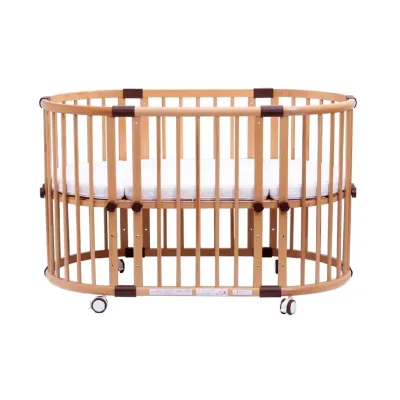



Prices are valid at publication and may change. Please refer to the product page for the latest price.
Understanding Baby Cot Safety Standards in Singapore
When shopping for nursery furniture in Singapore, understanding the safety standards that govern these products is key to making an informed decision. The Consumer Product Safety Office (CPSO) in Singapore oversees general consumer product safety, ensuring that items sold locally do not pose hazards to users. While the CPSO provides advisory guidelines, baby cots sold in Singapore are typically tested against established international safety standards to prove their structural integrity and material safety.

The European Safety Standard: EN 716
The European standard EN 716 (specifically EN 716-1 and EN 716-2) is one of the most rigorous and widely accepted frameworks for children’s cots and folding cots. This standard sets strict requirements for several critical safety dimensions:
- Structural Integrity: The cot must withstand specific impact and strength tests to ensure it will not collapse or deform under the weight and movement of a growing child.
- Entrapment Prevention: It defines precise limits for gaps between slats, the bed base, and the frame to prevent a baby's head, limbs, or fingers from becoming trapped.
- Material Safety: It mandates that all materials, including plastics, metals, and textiles, must be free from sharp edges and hazardous protrusions.
The Australian and New Zealand Standard: AS/NZS 2172
Another highly respected standard frequently referenced by premium nursery brands in Singapore is AS/NZS 2172. This standard is particularly stringent regarding the design of drop-side mechanisms and mattress base adjustments. It requires rigorous testing of the locking systems to ensure they cannot be accidentally released by a child from the inside. It also outlines precise testing protocols for the strength of the cot base and the durability of all moving parts over thousands of cycles.
Certification vs. Marketing Claims
It is vital for parents to distinguish between a brand claiming a cot is “designed to meet” safety standards and a specific model holding an active, third-party certificate of conformity. A genuine safety certification means that production-line samples of the specific model have been physically tested by an accredited independent laboratory, such as TÜV SÜD, SGS, or Intertek. Always check that the certificate is up to date and corresponds directly to the model version and production batch available in the market.
How to Verify Safety Certifications on a Beblum Cot
Verifying the safety credentials of a Beblum cot should be done prior to purchase or during unboxing. Taking a proactive approach ensures that the physical product in your home matches the safety claims made by the manufacturer.
Look for Physical Markings and Labels
Begin by inspecting the physical cot frame, the underside of the mattress base, and the original packaging. Certified cots typically feature a permanent stamp, sticker, or engraved label indicating the specific standard they comply with, such as “Tested to EN 716” or “Complies with AS/NZS 2172.” The user manual should also clearly state these compliance details alongside the manufacturer’s contact information.
Request Official Test Reports
If safety markings are not readily visible, or if you want absolute peace of mind, contact the authorized distributor in Singapore or Beblum’s official customer service channels. Request a copy of the official test reports or the certificate of conformity for the specific model you are interested in. A reputable manufacturer or distributor should be able to provide documentation proving that the cot has passed independent laboratory testing for structural safety and chemical non-toxicity.
Confirm Chemical and Finish Safety
Babies frequently explore their environment with their mouths, especially when teething. It is crucial to verify that the varnishes, paints, and finishes used on the Beblum cot are non-toxic and lead-free. Look for documentation confirming compliance with standards like EN 71-3 (the European standard for toy safety, which limits the migration of certain chemical elements). This ensures that even if your baby chews on the cot rails, they will not be exposed to harmful heavy metals or volatile organic compounds (VOCs).
Measure the Mattress Fit
Even a certified safe cot can become dangerous if paired with an incompatible mattress. To verify a safe fit, place the mattress inside the cot and measure any remaining gaps. The space between the mattress and any side of the cot must not exceed 3 cm (roughly the width of two fingers). If the gap is wider, the mattress is too small, creating a severe risk where a baby’s head or limbs could slide into the gap and become trapped.
Essential Physical Safety Checks Before Assembly
Before you assemble your Beblum cot and place your baby inside, conduct a thorough hands-on inspection of all components. Manufacturing anomalies or damage during shipping can compromise the safety of an otherwise certified design.
Verify Slat Spacing
The distance between the vertical slats of the cot is a critical safety dimension. Use a tape measure to confirm that the gap between each slat is strictly between 4.5 cm and 6.5 cm. If the slats are too close together, your baby’s arms or legs could get painfully wedged. If they are wider than 6.5 cm, there is a serious risk that a baby’s body could slip through, leaving their head trapped, which can lead to fatal strangulation.
Inspect Corner Posts and Hardware
Examine the corner posts of the cot frame. They must be virtually flush with the end panels, protruding no more than 5 mm. Protruding posts are a major hazard because loose clothing, ribbons, or pacifier cords can catch on them, posing a strangulation risk. Additionally, run your hands over all wooden surfaces to check for splinters, cracks, or sharp edges. Ensure that all screws, bolts, and brackets are made of high-quality metal, fit perfectly into their pre-drilled holes, and can be tightened completely without stripping.
Evaluate convertible and Drop-Side Mechanisms
Many Beblum models feature convertible designs that allow the cot to transform into a co-sleeper, playpen, or toddler bed. If your model includes a drop-side or a removable side panel, you must verify the locking mechanism:
- Double Action Lock: The drop-side must require a deliberate, multi-point, or double-action motion to release. This prevents older infants from accidentally unlocking the gate from the inside.
- Structural Rigidity: When locked in the raised position, the side panel must feel completely secure and rigid, with no play or wobbling that could allow a child's limbs to slip through.
- Conversion Integrity: When converting the cot to different configurations, always use the exact hardware specified in the manual. Never omit structural support bars or brackets.
Assess Stability and Weight Limits
Assemble the cot on a flat, level floor. Once fully assembled, give the frame a firm shake from different angles. It should feel robust and stable, without any swaying or creaking. Check the manufacturer’s manual for the maximum weight limit and developmental milestones for each configuration. For example, the bassinet or upper-level mattress base setting is only safe until the baby shows signs of rolling over or pushing up on their hands and knees. Once these milestones are reached, the mattress base must be lowered immediately to prevent falls.
Creating a Safe Sleep Environment and Knowing When to Transition
Achieving absolute safety requires combining a structurally sound cot with a safe sleep environment. How you set up the nursery and manage your child’s growth directly impacts their safety.
Set Up a Firm, Minimalist Sleep Space
The mattress used in the cot must be firm and flat; a soft mattress or one that sags under the baby’s weight poses a high risk of suffocation. Keep the interior of the cot completely bare. Do not use pillows, quilts, heavy blankets, bumper pads, sleep positioners, or stuffed toys. While these items are often marketed as cozy nursery accessories, they are leading contributors to Sudden Infant Death Syndrome (SIDS) and accidental suffocation. Instead, dress your baby in a fitted sleeping bag or swaddle appropriate for Singapore’s warm climate, and ensure the fitted sheet is tightly secured around the mattress.
Position the Cot Strategically
Carefully choose where to place the cot within the nursery. It must be positioned far away from windows, where direct sunlight or outdoor noise might disrupt sleep, but more importantly, away from window blind cords, curtains, and electrical cables. A baby can easily pull these cords into the cot, creating an immediate strangulation hazard. Keep the cot clear of wall decorations, heavy shelving, or picture frames that could fall into the sleeping area during an unexpected tremor or due to adhesive failure.
Know When to Transition to a Toddler Bed
As your child grows, their physical capabilities will quickly outgrow the safety limits of a standard cot. You must monitor their development and transition them to a toddler bed or floor bed when they meet any of the following conditions:
- Climbing Attempts: The child attempts to climb out of the cot, even when the mattress base is at its lowest position.
- Height Milestone: The child's height reaches 89 cm, at which point the side rails no longer provide adequate protection against tipping over.
- Weight Limits: The child's weight approaches or exceeds the maximum weight capacity specified by Beblum for that specific cot configuration.
- Physical Ability: The child is able to stand confidently and could easily leverage their weight over the top rail.
Frequently Asked Questions (FAQ)
Do I need to buy a specific mattress for a Beblum cot?
Yes, it is highly recommended to use the exact mattress size and model recommended by Beblum for your specific cot. Because many Beblum cots feature unique dimensions or convertible, rounded frames, standard off-the-shelf mattresses may not fit properly. Using an incorrectly sized mattress leaves dangerous gaps along the sides. Always verify that the gap between the mattress and the cot frame is less than 3 cm to prevent entrapment hazards.
Are second-hand Beblum cots safe to use?
Second-hand cots carry inherent risks and should be approached with extreme caution. Over time, wooden frames can develop micro-fractures, plastic components can become brittle, and critical hardware can be lost or replaced with non-original parts. If you choose to use a pre-owned Beblum cot, you must obtain the original user manual, verify that every single screw and bracket is original and intact, inspect the frame thoroughly for structural damage, and confirm that the specific model has not been subject to any safety recalls.
What should I do if a part of the cot breaks or goes missing?
If any part of your Beblum cot breaks, cracks, or goes missing, stop using the cot immediately and move your baby to a safe alternative sleeping space. Do not attempt to repair the cot using DIY methods, household adhesives, or generic hardware store screws. Incompatible hardware can fail under stress, leading to structural collapse or dangerous gaps. Contact Beblum’s authorized distributor or customer service in Singapore directly to purchase genuine, model-specific replacement parts.

Community discussion
Share your experience or ask a question. Comments are reviewed before publication.