
When welcoming a new baby, choosing the right diapering products is one of the first decisions you face. Parents often turn to bebesup wipes due to their reputation for gentle formulations. However, determining whether they are safe for your newborn requires looking beyond brand popularity to understand your individual child’s skin needs.
Newborn skin is fundamentally different from adult skin. It is thinner, more permeable, and still developing its natural protective barrier. While many variants of these wipes are formulated with high water content and designed specifically for sensitive skin, no commercial wipe can be considered universally risk-free for every infant.
Individual skin tolerances vary significantly. A formulation that works perfectly for one baby might cause mild irritation or redness in another. Therefore, safety is not a static quality of the brand itself, but rather a reflection of how a specific product variant interacts with your baby’s unique skin barrier.
Products mentioned in this guide
![[Official] Bebesup Zero Baby Wipes (Wet Wipes) 80s x 10 packs (Carton)](https://img.lazcdn.com/g/p/84787b921178913e937412a373585f57.jpg_400x400q80.jpg_.webp)
![[Official] Bebesup Soft Baby Wipes (Wet Wipes) 80s x 10 packs (Carton)](https://img.lazcdn.com/g/p/4abab86c991c8d7dab4e652e2327bee2.jpg_400x400q80.jpg_.webp)
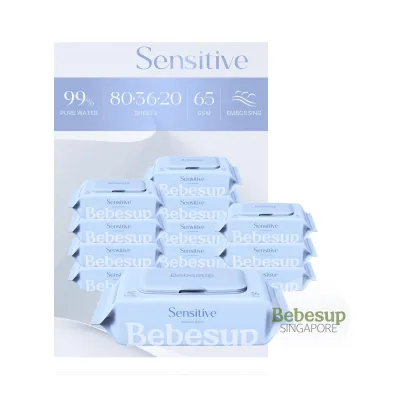
![[Official] Bebesup ICAN Training Wipes (Flushable Wet Wipes) for kids 42s x 9 packs (Carton)](https://img.lazcdn.com/g/p/7cd23540d037e3384e8b8ad0e6c01112.jpg_400x400q80.jpg_.webp)
Prices are valid at publication and may change. Please refer to the product page for the latest price.
To ensure safety, you must check the physical label of the specific variant you purchase. Brands often produce multiple lines, ranging from heavily moisturising options to ultra-minimalist formulas. Opting for fragrance-free, sensitive-skin lines is generally the safest starting point for newborns.
Before integrating any new baby wipe into your daily routine, performing a patch test is highly recommended. This simple precaution helps identify potential sensitivities before you apply the product to larger, more sensitive areas like the diaper region or face.
How to Evaluate Bebesup Wipes Ingredients for Newborn Skin
Evaluating the ingredient list on a pack of bebesup wipes is the most reliable way to assess its suitability for your newborn. Premium baby wipes generally follow a formulation philosophy centered on high-purity water and a minimal selection of supporting ingredients. However, because formulations can change and vary by region, relying on online marketing claims is less reliable than reading the physical product label in your hands.
The primary ingredient in any quality baby wipe should be purified water, often comprising over 98% of the total formulation. Manufacturers use multi-stage filtration systems to remove impurities, minerals, and microorganisms that could irritate delicate skin. Water acts as the primary cleansing agent, lifting away soil without stripping the skin’s natural oils.
Beyond water, safe formulations typically include mild humectants and gentle, plant-derived surfactants. Glycerin is a common humectant that helps retain moisture in the stratum corneum, preventing the drying effect that can occur with frequent wiping. Mild surfactants, when included, help break down oily residues from stool while remaining gentle enough not to disrupt the lipid barrier of the skin.
When examining the packaging, you should actively verify the absence of known skin irritants. Alcohol, particularly denatured or isopropyl alcohol, should be completely avoided as it dries out the skin and compromises the epidermal barrier. Parabens and phenoxyethanol, which are traditional preservatives, are often flagged by pediatric dermatologists as potential sensitizers for highly reactive newborn skin.
Fragrance is another major category to scrutinize. Synthetic fragrances and even natural essential oils can trigger allergic contact dermatitis. While a pleasant scent might appeal to parents, it offers no functional benefit to the baby and significantly increases the risk of irritation. You should also verify that the wipes are free from harsh preservatives like methylisothiazolinone (MIT) and methylchloroisothiazolinone (CMIT), which have been widely restricted in leave-on pediatric products due to their high sensitizing potential.
Understanding the physiology of newborn skin explains why these ingredient checks are so critical. A newborn’s stratum corneum—the outermost layer of the skin—is up to 30% thinner than that of an adult. Furthermore, infants have a much higher surface-area-to-body-weight ratio, meaning any chemicals absorbed through the skin can have a more pronounced systemic exposure compared to adults. Their skin barrier is also less efficient at preventing transepidermal water loss, making them highly susceptible to dryness, environmental irritants, and chemical triggers.
Potential Skin Reactions and Irritation Risks
Even when using wipes designed for sensitive skin, parents must remain vigilant about potential skin reactions. The diaper area is a challenging microenvironment, characterized by high humidity, warmth, and constant exposure to urine and stool. When you introduce commercial wipes to this environment, several physiological factors can trigger irritation.

Mechanical friction is a primary contributor to skin barrier breakdown. The physical act of rubbing a wipe across a newborn’s skin can cause micro-abrasions, especially if the wipe material is coarse or if too much pressure is applied. When the skin barrier is physically compromised, even the mildest chemical ingredients in the wipe can penetrate deeper into the epidermis, leading to irritant contact dermatitis.
Allergic contact dermatitis is another distinct risk. It is important to recognize that marketing terms like “natural,” “organic,” or “hypoallergenic” do not guarantee a product is completely safe for your baby. Some botanical extracts or natural preservatives used in these formulations can act as active sensitizers. An allergic reaction typically manifests as localized redness, swelling, or a rash that develops hours or even days after exposure, representing a delayed immune response to a specific ingredient.
Excessive use of wet wipes can also alter the skin’s natural acidic pH. Healthy newborn skin maintains a slightly acidic pH (typically between 4.5 and 5.5), which helps inhibit the growth of harmful bacteria and fungi. Frequently wiping the area with formulated solutions can disrupt this acid mantle, making the skin more vulnerable to pathogens like Candida albicans, the yeast responsible for many severe diaper rashes.
Furthermore, failing to allow the skin to dry completely after using a wipe traps moisture against the skin. In tropical, humid climates, this trapped moisture quickly macerates the skin, weakening its structural integrity. This makes the skin highly susceptible to chafing from the diaper edges and creates an ideal breeding ground for yeast infections.
Parents should learn to differentiate between mild, transient redness and a true skin reaction. Mild redness caused by physical friction typically fades within a few minutes of air-drying and diaper-free time. Conversely, an irritant or allergic reaction persists, often presenting as defined red patches, dry or scaling skin, or small bumps that do not resolve with simple ventilation.
Best Practices for Safely Using Wipes on Newborns
To minimize the risk of diaper rash and skin irritation, parents can adopt specific best practices when using wipes. Integrating these steps into your daily care routine helps protect your newborn’s delicate skin barrier while ensuring effective hygiene.
Performing a Patch Test
Before using any new pack of wipes extensively, perform a localized patch test. Gently wipe a small, discreet area of your baby’s skin, such as the inner thigh or the inside of the forearm, where the skin is clean and dry. Wait at least 24 to 48 hours to observe the area for any signs of redness, swelling, tiny bumps, or dryness. If the skin remains clear, you can proceed with using the wipes, though you should still monitor the diaper area closely during the first week of regular use.
Adopting a Gentle Wiping Technique
When cleansing the diaper area, avoid dragging or rubbing the wipe forcefully across the skin. Instead, use a gentle patting motion to lift away urine and stool. If stool has dried, place a damp wipe over the area for a few seconds to soften it before gently wiping it away. Pay close attention to the deep skin folds around the thighs and genitals, cleansing them with minimal pressure to prevent friction-induced micro-tears.
Implementing a Strict Drying Protocol
Never put a fresh diaper on a baby whose skin is still damp from a wipe. After cleansing, allow the skin to air dry completely for a minute or two. If you are in a rush, gently pat the skin dry with a soft, clean, dry cotton cloth or a reusable bamboo square. Ensuring the skin is completely dry before fastening the diaper is one of the most effective ways to prevent moisture-associated skin damage and fungal infections.
Alternating Wipes with Plain Water
For the first few weeks of a newborn’s life, or during periods when your baby is experiencing diaper rash, consider giving their skin a break from formulated products. You can alternate commercial wipes with plain, lukewarm water and large, soft cotton balls or reusable cotton cloths. This traditional method provides excellent cleansing without introducing any surfactants or preservatives, allowing the skin’s natural barrier to mature and heal without chemical interference.
When to Stop Use and Consult a Pediatrician
While mild skin dryness or temporary redness can often be managed with adjustments to your diapering routine, certain symptoms require immediate attention. Recognizing the signs of a severe skin reaction or infection is crucial for preventing complications and ensuring your baby’s comfort.
You should immediately stop using any commercial wipes if you observe persistent or spreading redness that does not improve after 24 hours of air-drying and diaper-free time. Other critical warning signs include visible swelling, blistering, peeling skin, or open sores. If the skin looks shiny, raw, or starts weeping clear fluid, this indicates a severely compromised barrier that requires professional evaluation.
Additionally, keep a close watch for signs of a secondary bacterial or fungal infection. These signs include the presence of pus-filled bumps, yellow crusting, warmth to the touch, or a rash that spreads rapidly beyond the diaper area into the abdomen or thighs. If your baby shows signs of systemic distress, such as an unexplained fever, unusual irritability, or crying during diaper changes due to pain, seek medical care promptly.
Do not attempt to self-diagnose severe rashes or apply over-the-counter medicated creams, such as strong steroid ointments or antifungal treatments, without direct medical supervision. Applying the wrong treatment can thin the skin further or worsen the infection. When you consult a pediatrician or pediatric dermatologist, bring the exact wipe packaging with you so the medical professional can review the ingredient list for potential allergens.
Frequently Asked Questions (FAQ)
Can I use Bebesup wipes on my newborn's face and hands?
The skin on a newborn’s face is significantly thinner and more sensitive than the skin in the diaper area, and it is in close proximity to sensitive mucosal membranes like the eyes and mouth. While some variants of these wipes may be labeled as suitable for multi-purpose use, you must check the physical packaging of your specific pack for an explicit statement of facial suitability. Even if the label permits facial use, avoid wiping near the eyes or mouth to prevent accidental ingestion or ocular irritation. For routine facial cleaning, using a clean washcloth dampened with plain, lukewarm water remains the safest option.
Do Bebesup wipes have an expiration date, and does it affect safety?
Yes, baby wipes have clear manufacturing and expiration dates printed on their packaging, which you should always check before use. Using expired wipes poses a significant safety risk because the preservative systems designed to prevent microbial growth degrade over time. Once the preservatives lose their efficacy, the moist, dark environment inside the packaging becomes highly susceptible to bacterial and fungal contamination. Using contaminated wipes on delicate newborn skin can introduce harmful pathogens, leading to serious skin infections or severe contact dermatitis. Additionally, once a pack is opened, it should typically be consumed within one to three months to ensure freshness and safety.

Community discussion
Share your experience or ask a question. Comments are reviewed before publication.