
When preparing for a newborn’s arrival, selecting a laundry detergent is one of the most critical decisions parents face. Babyganics detergent is widely marketed as a safe, plant-based option for delicate skin, but understanding what actually goes into the bottle is essential for protecting your baby. While Babyganics formulas generally leverage mild, plant-derived cleaning agents and avoid common irritants like synthetic dyes and artificial fragrances, they are not universally guaranteed to be reaction-free for every single infant.
Newborn skin is structurally different from adult skin, meaning that even natural or botanical ingredients can occasionally trigger contact dermatitis or mild irritation. To make an informed choice, parents must look past front-label marketing claims and learn to decode the actual ingredient list. By evaluating the specific chemical components and adopting safe laundry practices, you can minimize the risk of skin reactions while keeping your baby’s clothes clean and fresh.
Understanding "Plant-Based" Claims in Baby Detergents
The term “plant-based” has become a powerful marketing tool in the baby care industry, often evoking images of pure, untouched nature. In the context of laundry detergents, “plant-based” typically means that the primary active cleaning agents—known as surfactants—are synthesized from agricultural sources such as coconut oil, palm kernel oil, corn, or sugar, rather than being derived from crude oil or petroleum. While petroleum-derived surfactants are highly efficient at stripping grease, they can be aggressive on human skin and are slower to biodegrade.
Products mentioned in this guide
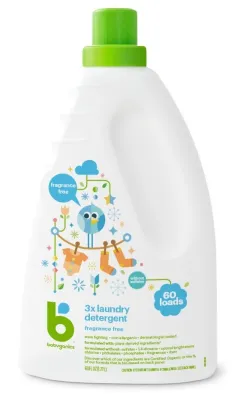
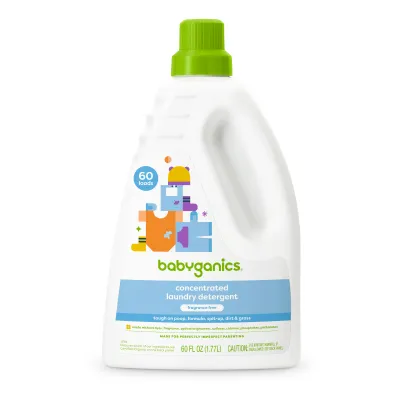
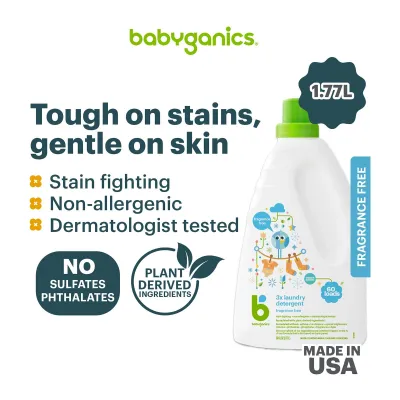
Prices are valid at publication and may change. Please refer to the product page for the latest price.
However, it is vital for parents to recognize that “plant-based” or “natural” does not automatically mean a product is chemical-free, allergen-free, or universally safe. Every substance on earth, including water and plant extracts, is composed of chemical structures. Furthermore, some of the most potent allergens known to dermatologists are entirely natural, such as poison ivy, pollen, and certain essential oils. A plant-derived surfactant undergoes significant industrial chemical processing to transform raw plant fats into functional cleaning agents, meaning the final product is still a manufactured chemical compound.
When choosing a plant-based formula, parents should also maintain realistic expectations regarding cleaning performance. Plant-derived surfactants are highly capable of lifting everyday organic soils, such as breast milk, infant formula, spit-up, and light mud. However, because these formulas lack the aggressive chemical boosters found in conventional adult detergents, they may struggle with heavy, oil-based stains or deeply set-in soils unless paired with a targeted pre-treatment.
Additionally, the efficacy of any plant-based detergent is heavily influenced by water conditions. In regions with soft water, like Singapore, plant-based detergents lather and rinse away quite easily, leaving minimal residue on fabrics. If you live in an area with harder water, the minerals can bind to the plant-derived surfactants, reducing their cleaning power and potentially leaving a microscopic mineral-detergent film on the clothing fibers. Understanding these variables helps parents manage expectations and adjust their laundry routines accordingly.
How to Decode the Babyganics Ingredient Label
To truly understand what you are putting next to your newborn’s skin, you must develop the habit of reading the ingredient list on the back of the bottle. Formulations can change over time due to supply chain adjustments, regulatory updates, or brand acquisitions, and regional variations may exist between bottles purchased locally and those imported from other markets. Always prioritize the information printed on the physical label of the product in your hands, or consult the brand’s official website for the most up-to-date ingredient disclosures.

Decoding a chemical label can feel overwhelming, but most liquid detergents are structured around a few basic functional categories. By breaking the list down into surfactants, preservatives, and scent profiles, you can systematically evaluate the safety and suitability of the product for your household.
Surfactants and Cleaning Agents
Surfactants are the workhorses of any detergent, responsible for lowering the surface tension of water so it can wet fabrics more thoroughly and lift away dirt. These molecules possess a dual nature: a hydrophilic (water-loving) head that binds to water, and a hydrophobic (water-fearing) tail that attaches to oils and grease. During the wash cycle, the surfactants surround soil particles, trap them in tiny structures called micelles, and suspend them in the water so they can be rinsed away.
When inspecting a Babyganics label, you will typically find plant-derived surfactants such as Lauryl Glucoside, Coco-Glucoside, or Sodium Lauroyl Methyl Isethionate. These compounds are derived from coconut, corn, or palm sugars and are widely recognized in the cosmetic industry for being significantly milder than traditional synthetic surfactants like Sodium Lauryl Sulfate (SLS). They effectively cleanse fabrics without aggressively stripping the natural lipids from your baby’s skin barrier should any micro-residues remain on the clothes.
Preservatives and Stabilizers
Liquid detergents are primarily composed of water, which makes them highly susceptible to microbial contamination. Without an effective preservation system, a bottle of liquid detergent would quickly become a breeding ground for bacteria, mold, and yeast. Introducing contaminated detergent to baby clothes poses a far greater health and infection risk to a newborn—especially one with open scratches or mild diaper rash—than the preservatives themselves.
Common preservatives used in gentle liquid formulas include Phenoxyethanol, Potassium Sorbate, and Sodium Benzoate. While these ingredients are essential for product safety and shelf-life stability, some individuals may still exhibit localized skin sensitivities to specific preservative types. When reading the label, note which preservative is utilized; if your baby develops an unexplained skin reaction, knowing the specific preservative in your current bottle will help your pediatrician narrow down potential contact allergens.
Fragrances and Essential Oils
Scent is one of the most common triggers for skin irritation and respiratory discomfort in infants. It is crucial for parents to understand the regulatory and practical distinctions between different scent labels:
- Fragrance-Free: This label indicates that the product contains absolutely no fragrance chemicals or masking scents. This is the safest choice for newborns and infants with eczema.
- Unscented: Unscented products are formulated to have no distinct smell, but they may actually contain masking fragrances or chemical neutralizing agents to cover up the raw, chemical odor of the active ingredients.
- Scented with Essential Oils: Some baby detergents use natural essential oils (such as lavender, chamomile, or citrus) to provide a pleasant aroma. While these are plant-derived, essential oils contain volatile organic compounds that are known sensitizers and can cause allergic contact dermatitis on delicate newborn skin. Always check the ingredient list for specific botanical extracts or essential oils if your baby has reactive skin.
Evaluating Safety for Your Newborn's Delicate Skin
A newborn’s skin is fundamentally different from that of an adult or even an older toddler. The outer layer of the skin, known as the stratum corneum, is up to 30% thinner in infants, making it highly permeable and far more susceptible to absorbing topical chemicals. Furthermore, a newborn’s skin barrier is still developing, resulting in a higher rate of transepidermal water loss and a greater vulnerability to environmental irritants, friction, and pH fluctuations. Any detergent residue left behind on fabric fibers can easily penetrate this fragile barrier, leading to irritation.
To ensure a detergent is safe for your specific child, do not rely solely on package claims like “pediatrician-tested” or “hypoallergenic.” Instead, perform a controlled, step-by-step patch test at home using the following method:
- Select a Test Fabric: Take a small, clean piece of clothing, a muslin square, or a washcloth that your baby frequently uses.
- Wash Separately: Wash this single item using the Babyganics detergent, following the exact dosage instructions. Do not add any fabric softeners, dryer sheets, or other laundry additives.
- Dry Thoroughly: Dry the item completely, preferably in a clean environment free of household dust or pet dander.
- Monitor Contact: Gently press or rub the washed fabric against a small, non-sensitive area of your baby's skin, such as the inner forearm or the thigh. Alternatively, have your baby wear the pre-washed garment for a few hours.
- Observe for 24 to 48 Hours: Keep a close eye on the test area for any signs of physical reaction. Do not introduce any other new skincare products or fabrics during this observation window.
During and after the patch test, monitor your baby’s skin closely for any observable signs of contact irritation. These typically manifest as localized redness (erythema), dry or flaky patches, small raised bumps, or a rough texture on the skin that directly correlates with where the fabric made contact. In some cases, a baby may exhibit unexplained fussiness, scratching, or discomfort when wearing clothes washed in a particular formula, even before a visible rash fully develops.
It is critical to establish a clear boundary for professional medical intervention. If your baby develops persistent skin issues, widespread rashes, hives, dry oozing patches, or flare-ups of infantile eczema, immediately stop using the detergent. Do not attempt to treat severe skin reactions with over-the-counter home remedies or assume the skin will “adjust” to the formula. Consult a qualified pediatrician or a pediatric dermatologist to obtain an accurate diagnosis and appropriate treatment plan, as persistent inflammation can compromise the skin barrier and lead to secondary infections.
Best Laundry Practices to Minimize Residue and Irritation
Even the mildest, most premium baby detergent can cause skin irritation if it is not used correctly. Minimizing detergent residue on clothing fibers is just as important as selecting a gentle formula. By adopting careful laundry habits, parents can significantly lower the risk of contact dermatitis while maximizing fabric longevity and hygiene.
First and foremost, always adhere strictly to the manufacturer’s dosing instructions located on the back of the bottle. There is a common misconception that using more detergent results in cleaner clothes, but the opposite is often true. Over-dosing creates excess suds that cannot be fully rinsed out by standard washing machine cycles. This excess surfactant remains trapped within the weave of the fabric, drying into a stiff residue that rubs against your baby’s skin and traps moisture, sweat, and bacteria. Use the measuring cup provided, and scale down the dosage for smaller loads or lightly soiled garments.
Second, always select an extra rinse cycle on your washing machine when laundering baby items. Modern high-efficiency (HE) washing machines, which are common in Singapore apartments, are designed to use minimal water. While this is environmentally friendly, it can sometimes leave trace amounts of detergent on thick fabrics like towels, cloth diapers, and heavy cotton sleepsuits. An additional rinse cycle ensures that any lingering surfactants are thoroughly flushed out, leaving the fabric clean and neutral.
Third, wash your newborn’s laundry in separate loads, completely apart from adult clothing, kitchen towels, or pet bedding. Adult garments are often exposed to heavy perfumes, body oils, industrial dust, outdoor pollutants, and strong chemicals that can easily transfer to baby clothes during a mixed wash cycle. Furthermore, adult laundry frequently requires stronger, heavy-duty detergents and higher wash temperatures that can degrade the delicate fibers of newborn wear. Washing baby items separately reduces the risk of cross-contamination and allows you to customize the wash settings specifically for infant fabrics.
Finally, always consult the garment care labels sewn into your baby’s clothing before washing. Many modern baby clothes are made from delicate materials like organic cotton, bamboo viscose, or merino wool, which require specific wash temperatures and gentle handling. Following these care instructions prevents the fabrics from becoming rough, pilling, or losing their natural softness, which in turn prevents mechanical friction against your baby’s highly sensitive skin.
Frequently Asked Questions (FAQ)
Do I need to wash new baby clothes before the first use?
Yes, it is highly recommended to wash all new baby garments, blankets, bedding, and fabric toys before they ever touch your newborn’s skin. During the manufacturing process, fabrics are frequently treated with chemical sizing agents, starches, anti-wrinkle finishes, and flame retardants to make them look appealing on retail hangers. Additionally, garments accumulate dust, chemical residues, and bacteria during shipping, warehousing, and handling in stores. Laundering these items first with a gentle, baby-safe detergent removes these potential irritants and ensures a clean, soft surface for your infant.
Can I use regular adult detergent if I run an extra rinse cycle?
Using regular adult detergent is not recommended for newborn laundry, even if you run an extra rinse cycle. Conventional adult detergents are formulated to tackle heavy, greasy stains and often contain aggressive anionic surfactants, optical brighteners, synthetic dyes, and complex chemical fragrances designed to cling to fabrics long after washing. These ingredients are highly resistant to rinsing and are specifically engineered to remain in the fibers to make clothes look brighter and smell stronger. Because a newborn’s skin barrier is incredibly thin and permeable, these residual chemicals can easily trigger severe contact irritation or allergic reactions, making a dedicated, fragrance-free baby detergent the much safer choice.
Community discussion
Share your experience or ask a question. Comments are reviewed before publication.