
When your little one starts showing an eagerness to move, finding ways to support their mobility becomes a top priority. A traditional wheeled baby walker, often referred to as a baby walking chair, is a common household item that many parents consider to help their infants explore. However, child safety organizations and pediatricians worldwide raise significant concerns about their safety, pointing to a high rate of preventable injuries and potential developmental delays.
If you are considering purchasing a baby walking chair, understanding the balance between convenience and risk is essential. While many experts advise bypassing these devices entirely, some parents still choose to use them under strict conditions. Making an informed decision requires looking closely at the structural differences between walker types, identifying the specific hazards they introduce to a home, and knowing exactly which safety features to verify before bringing one into your living space.
Sit-In Walkers vs. Push Walkers: Understanding the Safety Differences
Before evaluating safety features, it is important to distinguish between the two main types of walking aids available on the market. A traditional sit-in baby walking chair features a fabric seat suspended inside a rigid plastic or metal frame, supported by a wheeled base. The infant sits inside the frame with their feet touching the floor, allowing them to glide across the room in any direction. Because the seat supports their body weight, babies can move rapidly even if they do not yet have the muscle strength to stand independently.
Products mentioned in this guide
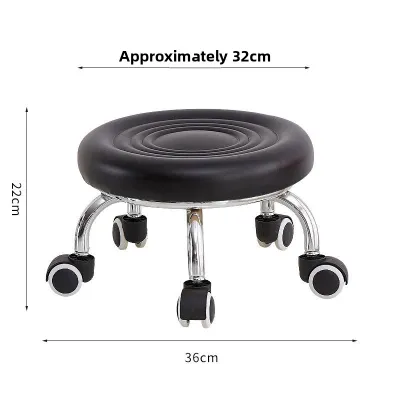
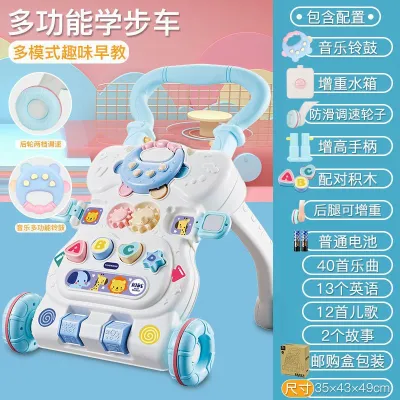
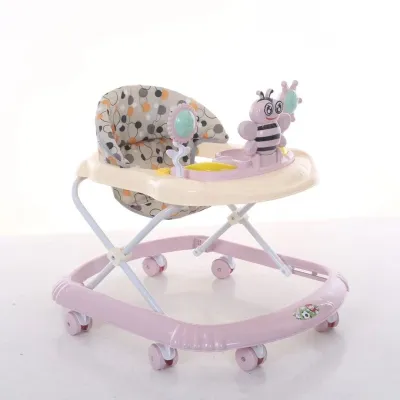
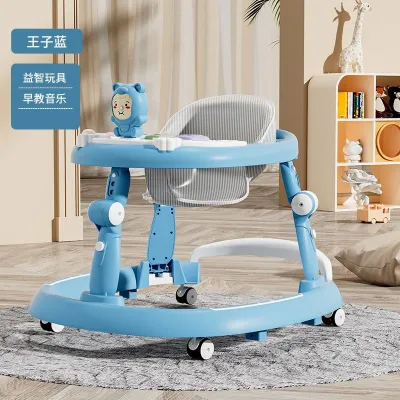
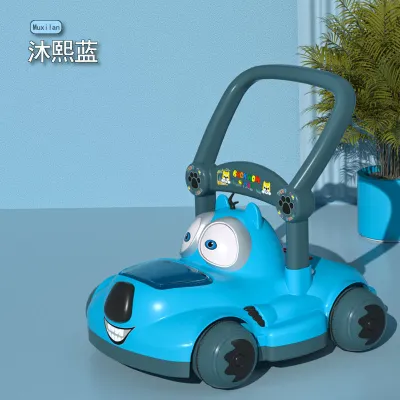
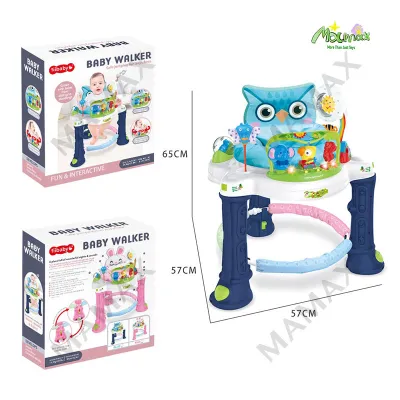
Prices are valid at publication and may change. Please refer to the product page for the latest price.
In contrast, a push walker is a toy or activity center that a child stands behind and pushes forward. These devices do not have a seat; instead, they feature a sturdy handle and weighted wheels. To use a push walker, a baby must already be capable of pulling themselves up to a standing position and maintaining their balance. The child actively supports their own weight and controls the speed of the device with their steps, which naturally engages their core and leg muscles.
Pediatric and child safety organizations generally discourage the use of sit-in baby walking chairs. The main concern is that these devices grant an infant an artificial level of mobility and height before they are developmentally ready to handle it. Because the wheels allow the chair to roll with minimal effort, babies can reach high speeds and travel into dangerous areas faster than a caregiver can react.
Push walkers are widely considered a safer, more developmentally supportive alternative. They encourage natural motor progression by requiring the baby to practice balance, coordination, and weight shifting. However, if you still choose to consider a sit-in baby walking chair, you must understand how to minimize its inherent risks through strict product selection and environmental management.
Hidden Hazards: Common Injury Risks of a Baby Walking Chair
To make an informed safety assessment, parents must understand the specific hazards associated with a baby walking chair. These devices alter a baby’s physical capabilities in ways that can quickly lead to severe accidents, even in seemingly child-proofed homes.

Staircase falls represent the most frequent and severe risk associated with sit-in walkers. A baby in a wheeled chair can cover ground incredibly fast, sometimes exceeding a speed of one meter per second. If a door or safety gate is left open even slightly, the walker can plunge down a flight of stairs before an adult in the same room can intervene. The weight of the walker combined with the momentum of the fall often results in serious head injuries or fractures.
Even in single-story homes or typical Singapore HDB apartments without internal staircases, tipping and rollovers remain a constant threat. Small floor transitions, such as the raised thresholds at toilet entrances, sliding balcony door tracks, or the edges of thick area rugs, can catch the wheels of a fast-moving walker. When the wheels abruptly stop against an obstacle, the baby’s momentum causes the entire unit to tip over, risking head and facial injuries.
Additionally, a baby walking chair elevates an infant’s height and grants them rapid access to items that would normally remain far out of reach. A baby who cannot yet stand on their own can suddenly reach the edges of dining tables, low countertops, and shelves. This dramatically increases the risk of pulling down hot liquids, grabbing electrical cords attached to heavy appliances, reaching household chemicals, or touching hot surfaces like ovens and hobs.
There are also physical and postural risks to consider. When placed in a walker before their muscles are fully developed, babies often rely on pushing off with their tiptoes rather than planting their feet flat. This persistent toe-walking can strain the calf muscles and tighten the Achilles tendons. Over time, this can lead to atypical walking patterns that may require physical therapy to correct once the child begins walking independently.
Many parents assume that their presence in the room is enough to prevent these accidents. However, safety data shows that the vast majority of walker-related injuries occur while a caregiver is actively supervising. The speed and unpredictability of a wheeled walker simply bypass human reaction times, making physical safety features and environmental barriers your primary line of defense.
Essential Safety Features to Check Before You Buy
If you decide to purchase a baby walking chair, you must look past aesthetic designs and toy attachments to evaluate the physical engineering of the product. Always verify the manufacturer’s documentation for specific age, weight, and height limits, and inspect the device for these critical safety features:
- Wide, Heavy Base: The bottom frame of the walker should be significantly wider than the upper tray and seating area. A broad wheelbase lowers the center of gravity and prevents the walker from tipping over when the baby leans over the edge or collides with furniture.
- Stair-Fall Prevention Mechanisms: High-quality walkers are equipped with friction strips, rubber grip pads, or automatic braking systems on the underside of the base. These safety pads are designed to immediately grip the floor and halt the walker if one or more wheels slide off an edge or lose contact with flat ground.
- Adjustable Height Settings: Look for a model that offers multiple height adjustment levels. It is vital that the baby’s feet can rest completely flat on the floor when they are seated. If the baby can only touch the ground with their toes, the walker is too high and should be adjusted downward to prevent toe-walking.
- Locking or Stationary Modes: Choose a walker that features lockable wheels or a built-in kickstand mechanism that converts the unit into a stationary play center. This allows you to keep the baby safely in one spot when you need to step away or when they are playing with the attached toy tray.
- Smooth Edges and Secure Attachments: Run your hands along the plastic and metal frame to check for any sharp edges, exposed hinges, or small gaps that could pinch delicate fingers. Ensure that all interactive toys on the tray are securely fastened and do not have small, detachable parts that pose a choking hazard.
- Verifiable Certification Labels: Do not rely solely on promotional claims. Look for recognized safety certification codes printed on the packaging or product tag, such as the European Standard EN 1273 (which specifies safety requirements for baby walkers) or ASTM F977. In Singapore, ensure the product complies with consumer safety guidelines monitored by the Consumer Product Safety Office (CPSO).
How to Use a Baby Walker Safely and When to Stop
Buying a certified baby walking chair is only the first step; how you manage its use in your home determines your child’s safety. Implementing strict operational rules and environmental controls will help minimize the risk of injury during play sessions.
First, understand that supervision must be active and uninterrupted. Do not use the walker as a substitute for a playpen or a babysitter. You must remain within arm’s reach of your child at all times, keeping your eyes on them without distractions like mobile phones or household chores.
Before placing your baby in the walker, prepare the environment thoroughly. Block off all stairs, steps, and split-level transitions with securely mounted safety gates. Remove loose rugs, doormats, and electrical cords from the floor. Ensure all low cabinets containing cleaning products, medicines, or sharp objects are locked, and keep the walker completely out of kitchen and bathroom areas where water hazards and hot surfaces exist.
Limit the time your baby spends in the walker to short sessions of no more than 15 to 20 minutes once or twice a day. Excessive time in a walker deprives your baby of the opportunity to practice essential floor-based movements, such as rolling, crawling, sitting, and pulling up, which are crucial for balanced motor development.
Take extra caution if your home has smooth tiled, marble, or polished concrete floors, which are common in many Singapore apartments. These surfaces offer very low friction, allowing a baby walking chair to glide much faster than it would on carpeted surfaces. If your floors are highly polished, look for walkers with speed-limiting wheel adjusters or high-friction rubber wheels to prevent the unit from moving too quickly.
Finally, know when it is time to retire the device. Stop using the baby walking chair immediately if your child reaches the manufacturer’s maximum weight or height limit, or if they show signs of frustration or persistent toe-walking. Once your baby can sit up independently, crawl proficiently, or stand without support, they have outgrown the developmental stage where a sit-in walker is useful, and continuing use can hinder their natural progress. If you notice persistent toe-walking or have concerns about your child’s motor development, consult a pediatrician or a qualified healthcare professional for guidance.
Frequently Asked Questions (FAQ)
Do baby walking chairs delay walking development?
Yes, research indicates that excessive use of a sit-in baby walking chair can potentially delay independent walking milestones. Because the seat supports the baby’s body weight, they do not need to balance their own torso or strengthen their hips and core muscles. Walkers also prevent babies from seeing their own feet, which is an important sensory aspect of learning how to balance and walk. To support natural development, prioritize floor play and limit walker sessions to short, supervised intervals.
Are baby walkers banned in certain countries?
Yes, sit-in baby walkers have been banned in Canada since 2004. Under Canadian law, it is illegal to manufacture, import, advertise, or sell baby walkers due to the high frequency of serious injuries associated with their use. Other international safety organizations, including the American Academy of Pediatrics, have repeatedly called for similar bans. Understanding these strict global regulations can help parents weigh the risks and make a safer choice for their own household.
Community discussion
Share your experience or ask a question. Comments are reviewed before publication.