
When your little one starts exploring, the temptation to buy baby walkers is understandable. These wheeled devices promise to keep your child entertained while giving them a head start on mobility. However, pediatricians and child safety experts globally raise serious concerns about their use. Traditional sit-in baby walkers present significant safety hazards that can lead to severe injuries, prompting some countries to ban them entirely and others to enforce strict safety standards.
Evaluating the safety profile of these devices is crucial before bringing one into your home. While they may seem like a helpful tool for busy parents, understanding the physical risks, developmental impacts, and mandatory safety features is essential to keeping your child out of harm’s way.
The Safety Reality: Understanding the Risks of Baby Walkers
Traditional sit-in baby walkers carry inherent safety risks that often outweigh their perceived benefits. When a baby is suspended in a wheeled frame, they gain a level of mobility that outpaces their cognitive and physical development. A baby in a walker can move at speeds of up to one meter per second, a velocity that a crawling infant cannot achieve and that a caregiver cannot always anticipate or intercept in time.
Products mentioned in this guide
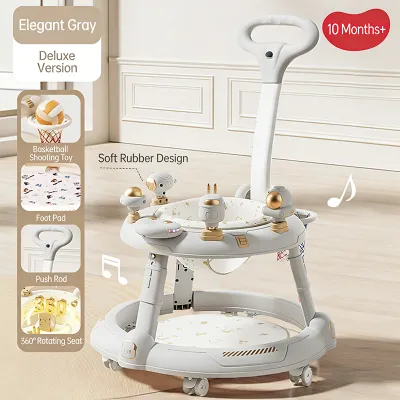
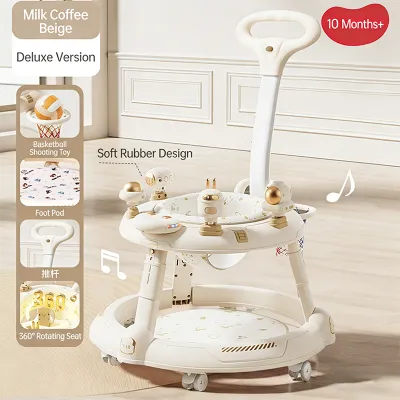
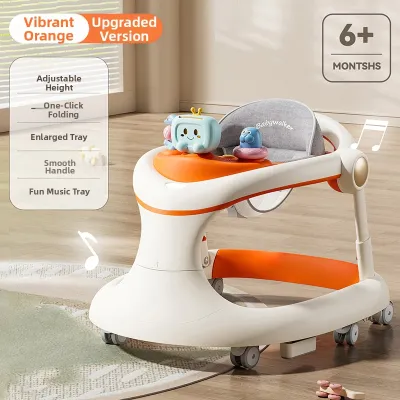
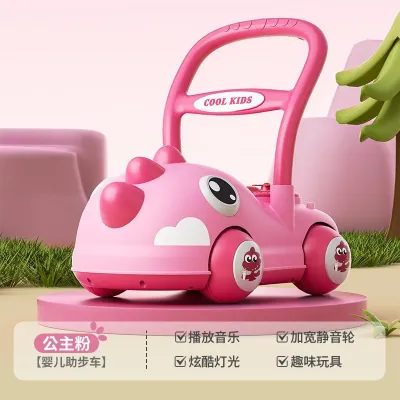

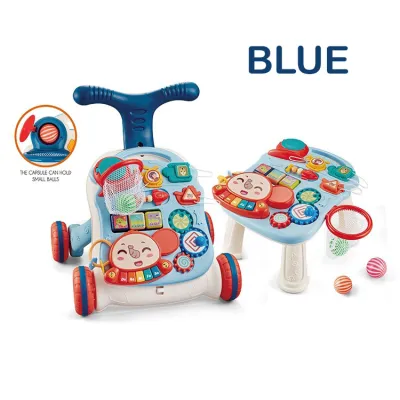
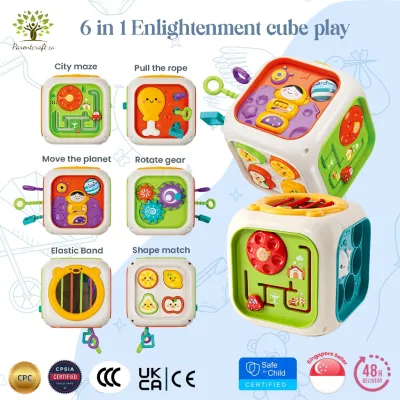
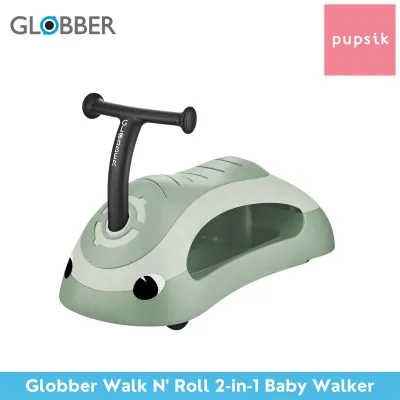
Prices are valid at publication and may change. Please refer to the product page for the latest price.
This rapid movement occurs before the child has developed the cognitive readiness to recognize hazards. A baby does not understand that a flight of stairs leads to a fall, or that a hot cup of coffee on a table edge is dangerous. The physical structure of a sit-in walker allows them to upright themselves and propel their bodies forward, bypassing the natural developmental sequence of rolling, sitting, crawling, and pulling up to stand.
It is important to distinguish traditional sit-in walkers from push-walkers, which are often designed as activity centers or toy carts. Sit-in walkers feature a fabric seat suspended inside a plastic or metal frame on wheels, keeping the baby’s feet in contact with the floor while supporting their body weight. Push-walkers, on the other hand, require the baby to stand independently and push the device forward, supporting natural weight-bearing, balance, and motor planning.
No sit-in baby walker is entirely risk-free. Even the most advanced models with modern safety features still introduce hazards if the home environment is not meticulously prepared or if adult supervision wavers. A parent’s understanding of these risks is the first line of defense in preventing childhood injuries.
Common Household Hazards Amplified by Walkers
The introduction of wheels to an infant’s routine amplifies common household features into severe hazards. In typical Singapore residential layouts, such as HDB flats or condominiums, spaces can be compact, and small obstacles can quickly cause a wheeled device to tip over.

Stair Falls and Uneven Surfaces
Falls down stairs remain the most common and severe injuries associated with baby walkers. Even a single step or a low threshold can cause a walker to tip over. In multi-story landed homes or HDB maisonettes, unsecured staircases pose an immediate threat. Furthermore, sliding door tracks to balconies, transitions between tiled and carpeted floors, and thick area rugs can catch the wheels of a walker, causing the entire structure to capsize with the baby inside.
The "Increased Reach" Hazard
When seated in a walker, a baby’s physical height and reach are significantly increased. Items that are safely out of reach for a crawling baby suddenly become accessible. This height advantage allows infants to reach up to kitchen countertops, dining tables, and low shelves, exposing them to dangerous items. Common incidents involve babies pulling down hot liquids like tea or soup, grabbing heavy objects that can fall onto them, reaching toxic household cleaners stored under sinks, or tampering with electrical outlets and cords.
Mechanical Hazards and Finger Entrapment
The structural design of many baby walkers includes folding frames, adjustable height mechanisms, and removable toy trays. These moving parts present mechanical hazards such as pinch points. Tiny fingers can easily become trapped in scissor-like folding joints or small gaps between the toy tray and the main frame, leading to painful pinches, bruising, or more severe lacerations.
Access to Unsafe Zones
With the speed and mobility granted by wheels, a baby can quickly roll into high-risk zones before a caregiver can react. This includes rolling toward hot home appliances like ovens and portable heaters, accessing bathroom areas where standing water may pose a drowning risk, or moving near unsecured furniture that could tip over if pulled.
Mandatory Safety Features to Verify Before Purchase
If you decide to purchase a baby walker, you must thoroughly evaluate its design and safety mechanisms. Do not rely solely on attractive toy attachments or marketing claims. Instead, use this checklist to verify the structural integrity and safety features of any model you consider.
Wide, Stable Base
The base of the walker must be significantly wider than the top frame and the seating area. A wide, flared base prevents the baby from tipping the walker over when they lean sideways or backward to reach for toys. Additionally, the base should be wide enough to physically block the walker from passing through standard interior doorways or narrow kitchen entrances, naturally restricting the baby’s movement to safer, open areas of the home.
Braking and Stair-Fall Prevention
Modern safety standards require walkers to feature automatic braking mechanisms or friction strips on the underside of the base. These pads are designed to grip the floor surface instantly if one or more wheels lose contact with the ground, such as when the walker reaches the edge of a step or a high threshold. Before buying, inspect the bottom of the walker to ensure these rubberized friction pads are present, clean, and securely attached.
Secure Seat and Posture Support
The seat of the walker must provide adequate physical support for your baby’s developing spine. Look for a high, rigid backrest made of sturdy materials that prevents the baby from slumping. The seat fabric must be durable, with strong, double-stitched seams and secure attachment points to the frame. Ensure there are no sharp plastic edges, exposed screws, or small detachable parts on the seat or tray that could pose a choking hazard or scratch your baby’s skin.
Wheel Locking Mechanisms
Select a baby walker that features reliable wheel locks or can be converted into a stationary activity center. This allows you to lock the wheels completely, preventing any horizontal movement while still letting your baby play with the attached toys. Using the walker in a stationary mode is a much safer way to utilize the device when you cannot provide the undivided attention required for mobile use.
Certifications and Labels
Never purchase a baby walker that lacks clear safety certification labels. Parents in Singapore should look for products that comply with recognized international safety standards, such as ASTM F977 (Standard Consumer Safety Specification for Infant Walkers) in the United States or EN 1273 (European Standard for Infant Walkers). Verify that the product packaging or the manual explicitly states compliance with these standards, and check for any local consumer safety marks or guidelines issued by Enterprise Singapore. Avoid buying unbranded or uncertified models from unregulated online marketplaces.
Safe Usage Rules and When to Transition Away
Owning a walker with excellent safety features does not eliminate the need for strict usage rules. Establishing clear boundaries and knowing when to retire the device are essential steps in protecting your child’s physical development and safety.
Constant, Direct Supervision
There is no substitute for active adult supervision. A baby walker is not a babysitter or a device to keep your child occupied while you leave the room. You must remain in the same room, with an unobstructed view and within arm’s reach of your baby at all times. If you must leave the room to answer the door, attend to cooking, or use the restroom, take your baby out of the walker and place them in a safe, enclosed space like a playpen.
Environmental Preparation
Before placing your baby in a walker, you must prepare the environment to eliminate potential hazards.
- Install sturdy, hardware-mounted safety gates at the top and bottom of all staircases.
- Block access to kitchens, bathrooms, balconies, and utility yards.
- Remove all loose rugs, mats, and electrical cords from the floor.
- Secure heavy furniture to the walls to prevent tip-overs.
- Keep all hot liquids, sharp objects, medicines, and cleaning chemicals locked away or high out of reach.
Strict Time Limits
To support healthy physical development, limit your baby’s time in a sit-in walker to short sessions of no more than 10 to 15 minutes per day. Prolonged use can place unnatural strain on a baby’s developing hips and spine. It can also lead to a habit of walking on their tiptoes, which tightens the calf muscles and may interfere with their natural gait when they begin to walk independently.
Signs It Is Time to Retire the Walker
Always refer to the manufacturer’s documentation for the specific weight, height, and age limits of your walker, and stop using it immediately once your baby reaches any of these thresholds. Other clear indicators that it is time to transition away include:
- Your baby can stand upright or walk independently without support.
- Your baby's feet flatly touch the floor with their knees bent while the walker is at its highest setting.
- Your baby shows signs of frustration or attempts to climb out of the walker seat.
If you notice any unusual walking patterns, such as persistent toe-walking or asymmetrical leg movement after using a walker, stop using the device and consult a pediatrician or pediatric physiotherapist for guidance.
Frequently Asked Questions (FAQ)
At what age and developmental stage is a baby walker appropriate?
A baby should only be placed in a sit-in walker if they can sit up completely unassisted and have strong, steady head control. This stage is typically reached around 6 months of age. You must verify the manufacturer’s documentation for the specific minimum age, height, and weight requirements, as placing an infant who lacks sufficient trunk control in a walker can lead to spinal strain and physical fatigue.
Do baby walkers help babies learn to walk faster?
No, baby walkers do not help babies learn to walk faster, and they may actually delay independent walking. Sit-in walkers strengthen the lower calf muscles while bypassing the upper thigh, hip, and core muscles required for independent balance. Furthermore, walkers prevent babies from practicing crucial developmental milestones like crawling, pulling up to stand, and cruising along furniture, which are essential for building bilateral coordination and spatial awareness.
What are the safer alternatives to sit-in baby walkers?
Safer alternatives that support natural motor development include stationary activity centers (exersaucers), which allow your baby to bounce, spin, and play without horizontal mobility. For babies who are already pulling themselves up to stand, push-walkers are excellent for practicing balance and weight-bearing. Additionally, supervised floor play and tummy time remain the gold standards for building the core strength, neck control, and coordination your baby needs to walk naturally.
Community discussion
Share your experience or ask a question. Comments are reviewed before publication.