
Traditional seated baby walkers are widely discouraged by pediatricians and child safety experts due to the high risk of injuries and potential delays in natural motor development. While these devices were once a staple in many households, modern safety assessments reveal that the combination of rapid mobility and elevated access can lead to serious accidents. If you are considering a baby walking support for your child, understanding these risks, verifying strict safety standards, and exploring safer developmental alternatives are essential steps to keep your little one secure.
Understanding the Safety Concerns of Traditional Baby Walkers
Traditional seated baby walkers—devices with a suspended fabric seat inside a wheeled frame—allow infants to move rapidly before they are physically ready to walk independently. The primary concern with these devices is the speed and height advantage they provide to a developing baby. An infant in a wheeled walker can travel at speeds exceeding one meter per second, far faster than a caregiver’s reaction time. This sudden mobility increases the risk of severe falls, particularly if the home has steps, raised thresholds, or uneven flooring. Even a small lip between a tiled kitchen floor and a carpeted living room can cause a wheeled walker to tip over, leading to head or neck injuries.
Beyond fall hazards, the elevated position and rapid movement allow babies to reach objects that would normally be far out of their grasp. In a typical household, this means an infant can quickly access hot liquids on countertops, electrical cords, household chemicals, or heavy objects on low tables. The risk of burns, poisoning, and impact injuries increases dramatically when a child is placed in a wheeled walker. Caregivers often overestimate the safety of a walker, assuming the frame acts as a protective barrier, whereas it actually acts as a launchpad for reaching hazards.
Products mentioned in this guide
![[Cozy Nest] Multifunctional Baby Walker Toy Toddler Baby Push Walker Childrens Learning Walker Push Toy Good Gift](https://img.lazcdn.com/g/p/242ac6574eb2c646c115d1f3daee1113.jpg_400x400q80.jpg_.webp)
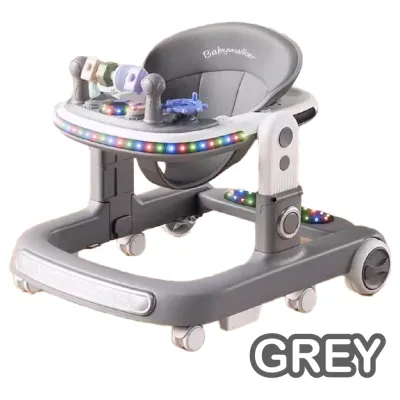
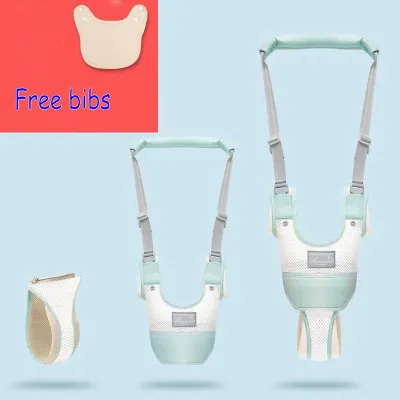
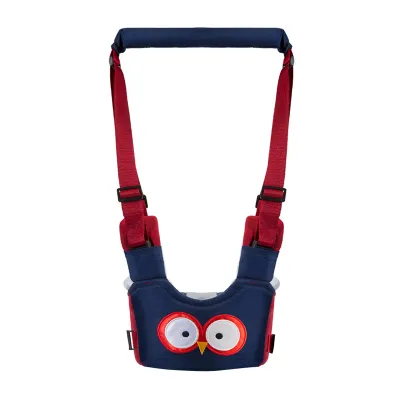
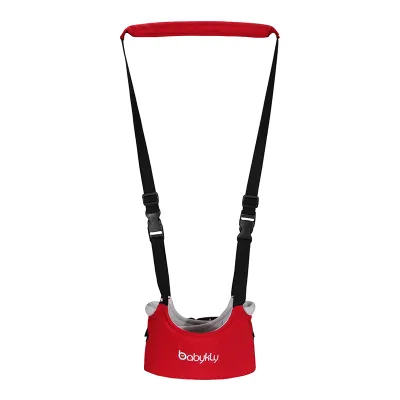
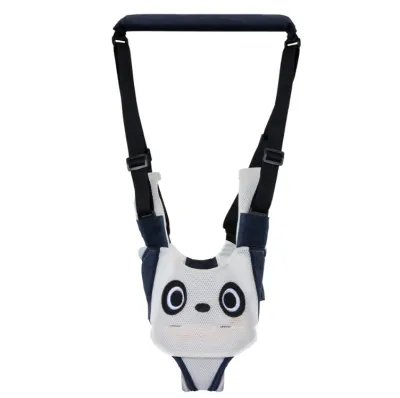
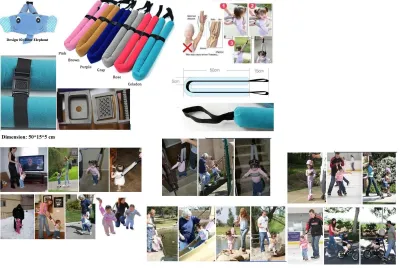
Prices are valid at publication and may change. Please refer to the product page for the latest price.
From a developmental perspective, pediatricians and physical therapists raise significant concerns about how seated walkers affect motor skills. When suspended in a seat, a baby’s weight is supported artificially, which can lead to abnormal walking patterns. Instead of learning to bear weight on flat feet, infants in walkers often push off with their toes, tightening their calf muscles and potentially leading to toe-walking habits. Furthermore, because the walker’s frame prevents the baby from seeing their feet, they miss out on crucial visual feedback that helps them develop spatial awareness and natural balance.
Essential Safety Features and Standards to Verify Before Purchase
If you decide to purchase a baby walking support, you must carefully evaluate the physical construction and safety mechanisms of the device. Modern safety standards have introduced specific design requirements to mitigate the most common hazards. Look for models equipped with automatic stair-fall prevention mechanisms. These typically consist of rubber friction strips or gripping pads on the underside of the frame. When the walker encounters an edge or an uneven surface, these pads are designed to catch on the floor and halt the device’s forward momentum immediately.

The physical dimensions of the walker also play a critical role in preventing accidents. A safe walker should feature a wide, stable base that is significantly wider than standard doorways and passages in your home. This oversized design serves a dual purpose: it prevents the walker from tipping over easily when the baby bumps into furniture, and it physically blocks the child from entering restricted zones like kitchens or bathrooms. Additionally, verify that the frame has reliable locking mechanisms that prevent the walker from collapsing accidentally while the baby is inside.
In Singapore, consumer goods are subject to safety regulations, and parents should look for compliance marks that indicate the product meets recognized international safety standards. When shopping, check the product packaging or user manual for certifications such as ASTM F977 (the standard consumer safety specification for infant walkers) or EN 1273 (the European standard for baby walking frames). Under the Consumer Protection Safety Requirements administered locally, products must meet stringent safety criteria before they can be sold. Avoid purchasing unbranded or second-hand walkers that lack clear safety labels, as older models may not feature modern tip-over protections or friction strips.
Setting Strict Usage Boundaries and Supervision Rules
Using a baby walking support safely requires establishing strict operational boundaries within your home. The device must only be used on flat, level, and completely dry surfaces. Ensure there are no loose rugs, electrical cords, or toys on the floor that could catch the wheels and cause a sudden tip-over. Keep the walker completely away from high-risk zones, including kitchens, bathrooms, balconies, and any areas near swimming pools or water features. If your home has multiple levels, install sturdy, hardware-mounted safety gates at the top and bottom of all staircases to prevent catastrophic falls.
Time management is another critical factor in minimizing the risks associated with seated devices. Limit your baby’s continuous sessions in a walker to short intervals, such as 10 to 15 minutes per day. Prolonged use can lead to physical fatigue, poor posture, and an over-reliance on artificial support, which may delay the development of the core muscles needed for independent standing. Think of the walker as a temporary spot for brief activity rather than a long-term containment tool or a substitute for natural floor play.
Most importantly, a baby walker must never be used as a babysitter. Constant, close-proximity adult supervision is mandatory whenever your baby is in the device. This means staying within arm’s reach at all times, keeping your eyes on the child, and remaining fully attentive. Because a baby in a walker can move incredibly fast, a caregiver who is distracted by a phone or household chores may not be able to intervene in time to prevent an accident. If you must leave the room for any reason, even for a few seconds, remove your baby from the walker and place them in a secure area like a playpen or a crib.
Exploring Safer Baby Walking Support Alternatives
Fortunately, there are several safer alternatives that support your baby’s physical development without the high mobility risks of traditional wheeled walkers. One popular option is the stationary activity center or stationary jumper. These devices feature a central seat surrounded by interactive toys, allowing your baby to spin, bounce, and play in a fixed location. Because they do not have wheels, stationary centers eliminate the risk of stair falls and high-speed collisions, while still providing a safe space for your baby to practice upright weight-bearing and leg strengthening.
Another excellent alternative is the push walker, also known as a walk-behind toy. Unlike seated walkers, push walkers require your baby to stand independently, grip a handle, and push the toy forward. This design encourages natural weight-bearing, helps build balance, and allows the baby to control their own pace. Because the baby can see their feet and legs while using a push walker, they receive the necessary visual and sensory feedback to develop a healthy walking gait. Look for push walkers with adjustable wheel tension or weighted bases to prevent the toy from rolling away too quickly.
Despite the appeal of various developmental toys, the most effective and safest way to help your baby learn to walk is through supervised floor time. Allowing your baby to spend ample time on their tummy, rolling, crawling, and pulling themselves up on sturdy furniture builds the foundational core strength, coordination, and balance required for walking. Crawling, in particular, strengthens the shoulders, hips, and trunk while promoting bilateral coordination. Creating a safe, carpeted, or padded play area on the floor encourages natural exploration and milestone progression at your baby’s own pace.
When to Stop Using a Walker and Transition to Independent Walking
Knowing when to retire a baby walking support is crucial for maintaining your child’s safety as they grow. Every walker comes with specific manufacturer guidelines regarding maximum weight, height, and developmental limits. Regularly check these specifications against your baby’s current measurements. Once your baby reaches the maximum weight limit or if their head or chest extends too far above the walker’s frame, the device’s center of gravity shifts, making it highly susceptible to tipping over.
Developmental milestones also dictate when to stop using a walker. If you observe your baby attempting to climb out of the seat, pulling themselves up on the toy tray, or standing flat-footed and trying to lift the walker frame, it is time to discontinue use immediately. These actions indicate that your baby has outgrown the physical boundaries of the device and is at a high risk of falling out or tipping the walker over. Additionally, if your baby can stand independently for several seconds or take a few unassisted steps, the walker has served its purpose and may now hinder their progress.
Transitioning fully to independent walking involves encouraging barefoot exploration on safe indoor surfaces. Walking barefoot allows your baby’s toes to grip the floor, strengthening the arches of their feet and improving sensory feedback from the ground. You can continue to offer push toys or encourage them to “cruise” along the edges of sturdy furniture like sofas and low tables. By providing a safe, obstacle-free environment and plenty of positive reinforcement, you can help your baby build the confidence and physical strength needed to take their first independent steps safely.
Frequently Asked Questions (FAQ)
Do baby walkers help infants learn to walk faster?
No, baby walkers do not help infants learn to walk faster, and they may actually delay natural walking milestones. Walkers teach babies to push off with their toes and rely on artificial support, which does not strengthen the core muscles or develop the balance needed for independent walking. Unassisted floor play, crawling, and pulling up on furniture are far more effective for building the physical strength and coordination required to walk.
What should I do if my baby tips over or gets injured in a walker?
If your baby experiences a fall or injury while in a walker, immediately assess their condition while keeping them as calm as possible. Check for visible cuts, swelling, or signs of head trauma, such as vomiting, lethargy, or unusual crying. If you suspect a head, neck, or spinal injury, do not move your baby unless absolutely necessary to prevent further harm, and contact emergency medical services immediately. For minor bumps or concerns, consult your pediatrician promptly for a professional evaluation.
Community discussion
Share your experience or ask a question. Comments are reviewed before publication.