
The question of whether baby walkers are safe is a major concern for new parents. The short answer is that traditional sit-in baby walkers carry significant safety risks, and many pediatric organizations worldwide strongly advise against using them. While these devices give infants a new way to move around, they also grant rapid mobility to a child who does not yet possess the cognitive or physical ability to manage that speed safely. If you choose to use a walker, constant, direct adult supervision is absolutely non-negotiable, as accidents can happen in a fraction of a second.
To evaluate safety properly, it is essential to distinguish between traditional sit-in baby walkers and push-walkers, often called activity walkers. Sit-in walkers feature a suspended fabric seat inside a wheeled frame, allowing a baby’s feet to touch the floor and propel the device. Push-walkers, on the other hand, are upright toys that a standing baby pushes from behind. Because these two designs function differently, their safety profiles, physical demands, and associated hazards vary significantly.
Ultimately, no baby walker is entirely risk-free. The safety of any mobility toy depends heavily on the physical layout of your home, the child’s current developmental stage, and the specific safety features built into the product. Understanding these variables is the first step in making an informed decision for your nursery.
Products mentioned in this guide
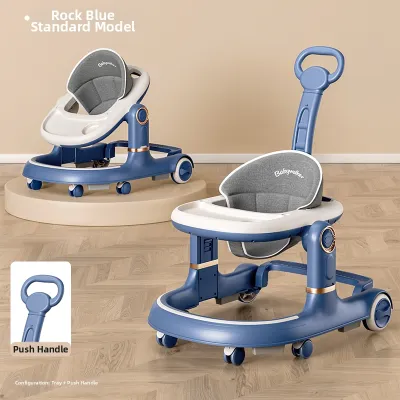
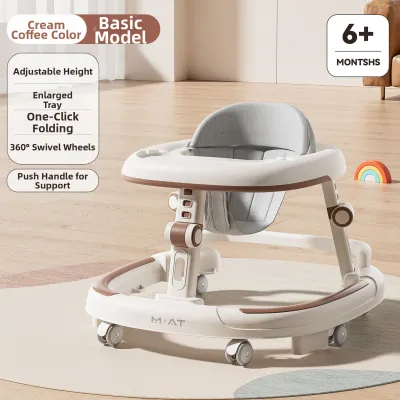
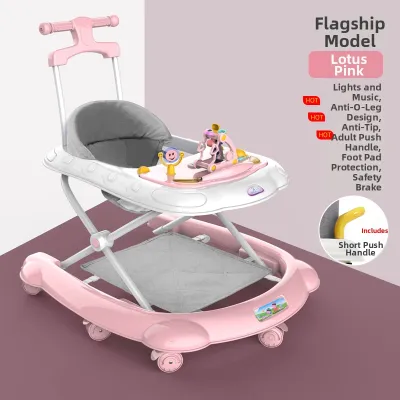
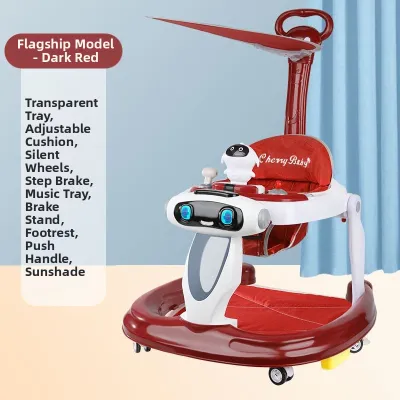
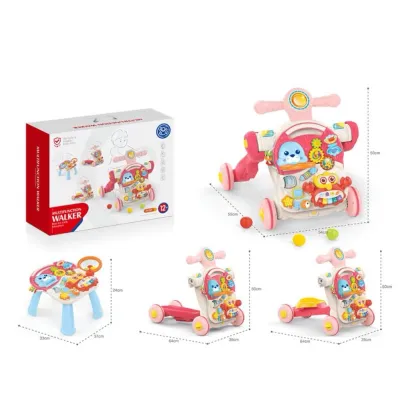
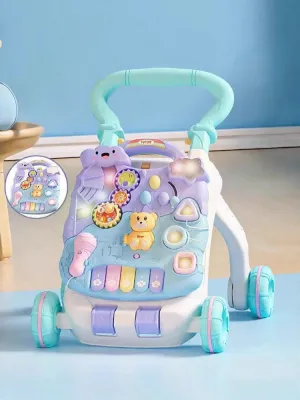
![[FREE GIFT] Lucky Baby Ark 3 In 1 Activity 360° Center](https://img.lazcdn.com/g/p/f3dfab1432eba1ac536e7285988b5775.jpg_400x400q80.jpg_.webp)
Prices are valid at publication and may change. Please refer to the product page for the latest price.
Common Hazards and Why Supervision is Non-Negotiable
The primary danger of a sit-in baby walker is the sudden, unexpected speed it provides. A baby in a wheeled walker can move across a room much faster than an adult can react. This rapid acceleration makes it incredibly difficult for a caregiver to intervene before an accident occurs, even if they are standing in the same room. The momentum of the wheels can carry a child into danger before anyone can reach them.
Stair falls represent the most severe injuries associated with baby walkers. If a doorway or safety gate is left open, a baby can easily roll over the threshold and tumble down a flight of stairs. The weight of the walker combined with the force of gravity often leads to severe head and neck injuries. Even on a single level, uneven flooring, raised door saddles, or thick area rugs can catch the wheels, causing the entire unit to tip over with the baby inside.
In addition to fall risks, walkers elevate a baby’s height, giving them access to hazards that would normally be far out of reach for a crawling infant. A child in a walker can suddenly reach up to grab hot coffee cups on low tables, pull on dangling electrical cords, or tug at tablecloths, bringing heavy objects crashing down. They can also access household chemicals, medications, or small choking hazards stored on low shelves or countertops that are otherwise inaccessible to a baby on the floor.
Because of these rapid environmental changes, passive supervision is never enough. Simply being in the same room while looking at a phone or cooking dinner does not guarantee safety. Caregivers must maintain active, uninterrupted visual contact and remain within arm’s reach of the child at all times when a walker is in use.
Essential Physical Safety Features to Evaluate Before Purchase
If you decide to purchase a sit-in baby walker, you must carefully inspect its physical construction to ensure it includes modern safety mechanisms. The first feature to evaluate is the width and weight of the base. A safe walker should have a wide, stable base that is significantly wider than the top frame and wider than standard doorways. This design prevents the walker from tipping over easily when the baby bumps into furniture, and it physically blocks the child from entering restricted areas like kitchens or bathrooms.

Another critical safety feature is the presence of stair-fall prevention mechanisms. High-quality walkers are equipped with friction strips, rubber gripping pads, or automatic braking rings on the underside of the base. These components are designed to deploy immediately if a wheel drops off an edge, such as a step or a threshold. The pads grip the floor surface, stopping the walker’s forward momentum and preventing it from falling over the edge.
The seat design itself requires close inspection. Look for a deep, secure seat made of durable, reinforced fabric that supports the baby’s hips and torso properly. The leg holes must be small enough to prevent the baby from slipping down through the bottom of the walker, yet comfortable enough not to pinch or restrict circulation. A secure harness or high backrest provides additional structural support, keeping the baby upright and preventing them from leaning too far forward or backward.
Finally, consider models that feature locking mechanisms to convert the walker into a stationary activity center. These designs allow you to lock the wheels or deploy stabilizing legs, keeping the unit firmly in place. This feature is highly beneficial when you want your baby to enjoy the attached toys and sensory panels without the risks associated with mobile exploration.
How to Verify Safety Standards, Labels, and Recalls
Before purchasing any baby walker, parents must verify that the product complies with recognized safety standards. Do not rely solely on marketing claims or attractive designs. Instead, look for physical labels on the product or packaging indicating compliance with international safety benchmarks, such as ASTM F977 in the United States or EN 1273 in Europe. These standards mandate specific testing for stability, dynamic strength, and stair-fall prevention.
Always locate and strictly adhere to the manufacturer’s printed physical limits. Every walker is designed for a specific developmental window, defined by age, weight, and height limits. Placing a baby who is too small or too heavy into a walker compromises its stability and structural integrity. If a baby’s feet cannot touch the floor comfortably, or if their chest rises above the top tray, the walker is not suitable for them.
It is also vital to check for active product recalls before buying a new or used walker. In Singapore, you can search official consumer safety databases, such as those maintained by the Consumer Product Safety Office, to see if a specific brand or model has been flagged for safety defects or recalled. Manufacturers occasionally issue recalls for issues like failing brakes, choking hazards from attached toys, or structural weaknesses that develop over time.
If you are considering a second-hand or hand-me-down walker, exercise extreme caution. Older models may not meet current safety standards, and they may lack essential features like friction pads or wide bases. Inspect the unit thoroughly for worn-out fabric, cracked plastic, loose wheels, or missing parts. If the original instruction manual and safety labels are missing, it is best to avoid the product entirely, as you will not be able to verify its weight limits or safety history.
Safe Usage Boundaries and When to Retire the Walker
Creating a safe environment is essential before placing your baby in any walker. Start by preparing the physical space. Install secure, hardware-mounted safety gates at the top and bottom of all staircases, and keep doors to hazardous areas like kitchens, bathrooms, and balconies firmly closed. Remove loose area rugs, electrical cords, and low-lying obstacles from the floor. Ensure that all hot liquids, sharp objects, and household chemicals are moved to high cabinets well out of the baby’s potential reach.
Even in a fully baby-proofed room, you must establish strict time limits for walker use. Spending too much time in a sit-in walker can interfere with natural motor development. When suspended in a seat, babies tend to walk on their tiptoes, which can tighten their calf muscles and alter their natural walking gait. To encourage healthy muscle development, limit walker sessions to short intervals, such as 15 to 20 minutes per day, and prioritize plenty of supervised floor time for crawling, rolling, and pulling up to stand.
Knowing when to retire the walker is just as important as knowing how to use it safely. You must stop using the walker immediately when your child reaches any of the manufacturer’s maximum limits, or when they display specific developmental milestones. For example, if your baby can sit up independently, pull themselves up to a standing position, or attempt to climb out of the walker seat, the device is no longer safe.
Once your child begins to take independent steps, the walker has served its purpose and should be retired. Continued use at this stage can hinder their balance and coordination, as they need to learn to support their own body weight without the artificial assistance of a wheeled frame. Transitioning them to floor play or a sturdy push toy will better support their journey toward independent walking.
Frequently Asked Questions (FAQ)
Are sit-in baby walkers banned or restricted in any regions?
Yes, sit-in baby walkers are subject to strict bans and regulations in several parts of the world due to high injury rates. For instance, Canada implemented a complete ban on the sale, import, and advertisement of sit-in baby walkers, making it illegal to possess or sell them. In other regions, pediatric associations have repeatedly called for similar bans to protect infants from preventable injuries.
In Singapore, while sit-in baby walkers are not entirely banned, they are regulated under consumer protection safety requirements. Parents should check local consumer safety guidelines and ensure that any walker sold locally complies with safety regulations. Because of the recognized risks, many local healthcare professionals and pediatricians echo international advice, recommending that parents opt for stationary play centers or push-walkers instead.
What is the difference in safety between sit-in walkers and push-walkers?
The primary difference lies in how the child interacts with the device and the level of physical control they maintain. Sit-in walkers suspend the baby in a seat, allowing them to move rapidly using their toes before they have developed the balance or strength to support their own weight. This design increases the risk of tipping, falling down stairs, and reaching high-up hazards, as the child is physically strapped into the moving frame.
In contrast, push-walkers are upright toys that require the baby to stand independently and push the toy forward. Because the child is not strapped in, they can easily let go and sit down if they lose their balance, which naturally limits their speed and reduces the risk of high-velocity impacts. While push-walkers still require supervision to prevent tipping on uneven surfaces or rolling down inclines, they generally avoid the severe elevated fall and reach hazards associated with sit-in models.
Community discussion
Share your experience or ask a question. Comments are reviewed before publication.