
A baby swing can be a lifesaver for exhausted parents, offering a soothing, rhythmic motion that mimics the comfort of the womb. However, while these devices are highly effective at calming a fussy infant, they must be used with extreme caution when it comes to newborns. The direct answer is that baby swings are generally safe for newborns, but only under strict conditions: the baby must be awake, actively supervised, and placed in the swing for only short periods.
Under no circumstances is a baby swing safe for unsupervised sleep. Because newborns have weak neck muscles and relatively heavy heads, placing them in an inclined, moving seat carries inherent physiological risks. To keep your little one secure, you must understand the critical boundaries between safe soothing and hazardous use, ensuring that every swing session is conducted with safety as the absolute priority.
Key Safety Risks of Using Baby Swings for Newborns
While a baby swing may look like a cozy, secure nest, a newborn’s physical development makes them highly vulnerable to specific hazards while seated in these devices. Understanding these risks is the first step in preventing serious injuries or life-threatening accidents.
Products mentioned in this guide
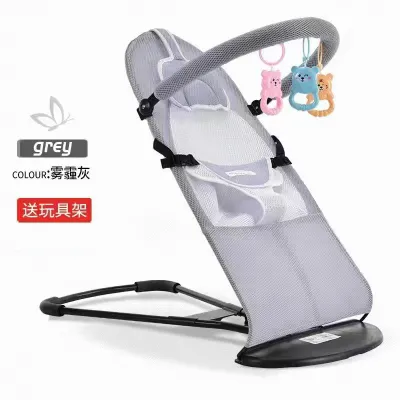
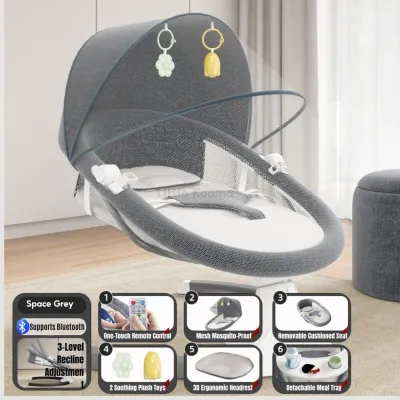
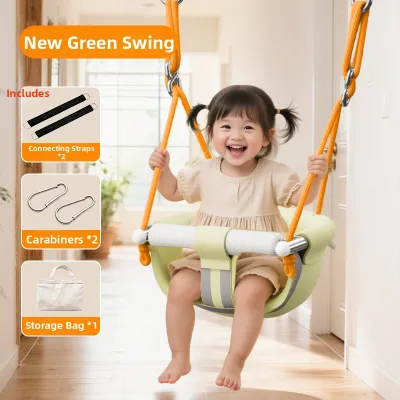

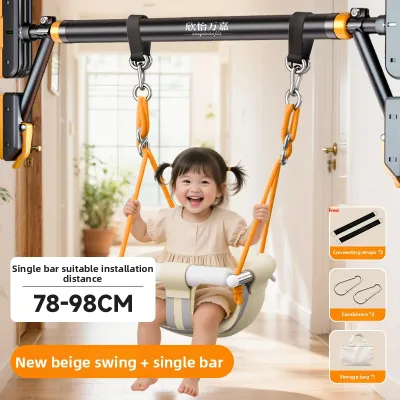
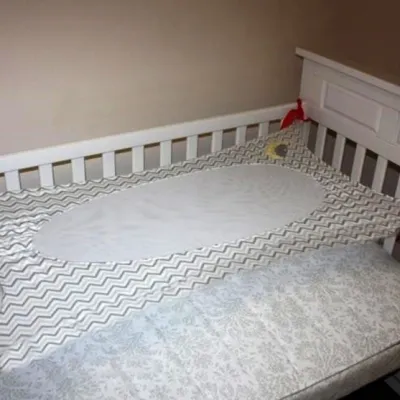
Prices are valid at publication and may change. Please refer to the product page for the latest price.
Positional Asphyxia and Airway Obstruction
The most severe and silent risk associated with baby swings is positional asphyxia. A newborn’s physical anatomy is vastly different from that of an older infant; their heads are relatively heavy, accounting for about a quarter of their total body weight, while their neck muscles are incredibly weak and undeveloped. Additionally, an infant’s trachea, or windpipe, is soft and highly flexible—comparable to the width of a drinking straw.
When a newborn is placed in a semi-reclined or upright swing, gravity can easily cause their heavy head to slump forward, resting their chin directly on their chest. This position can kink or compress the soft airway, drastically reducing or completely cutting off their oxygen supply. Unlike older babies or adults, newborns lack the muscle strength and neurological reflexes to lift their heads back up to clear their airway.
What makes positional asphyxia particularly terrifying is that it is a silent hazard. A suffocating baby will not cry, struggle, or make noise; they will simply appear to be sleeping peacefully while their oxygen levels rapidly decline. This risk increases exponentially if the baby is allowed to fall asleep in the swing, as the relaxed muscle state of sleep makes head slumping even more likely.
Falls, Tip-Overs, and Harness Slippage
Beyond airway obstruction, baby swings present physical safety hazards related to how and where the device is placed. One of the most common causes of swing-related injuries is placing the device on elevated or uneven surfaces. Parents might be tempted to place a portable swing on a kitchen counter, table, bed, or sofa to keep the baby closer to eye level. However, the mechanical, rhythmic motion of the swing can cause the base to shift or “walk” across the surface, leading to a catastrophic fall.
In typical home environments, swings must always be placed on a solid, flat, and level floor. Even on the floor, risks remain if the swing is placed near hazards like electrical cords, window blinds, or low-lying furniture. Furthermore, if you have pets or older children, a swing placed in a high-traffic area can easily be bumped or knocked over.
Another significant risk is harness slippage. Newborns are incredibly small, and if the swing’s safety harness is not adjusted correctly to their tiny frame, they can easily slide downward. This slippage can lead to the baby becoming wedged in an awkward position, slipping out of the seat entirely, or becoming fatally entangled in the harness straps themselves.
Essential Safety Guidelines for Using a Baby Swing
To minimize these physical and physiological risks, parents must establish strict habits and safety checks. Safe swing use relies on a combination of active supervision, strict time limits, and correct physical setup.

Supervision and Time Limits
The golden rule of using a baby swing is that you must never leave your newborn unattended, even for a single minute. Active supervision does not mean being in the same house or relying on a baby monitor; it means keeping the baby within your direct line of sight in the same room. You must be close enough to observe their breathing, check their head position, and intervene immediately if they begin to slump or look uncomfortable.
In addition to constant vigilance, you must enforce strict time limits on swing sessions. Pediatric experts generally recommend limiting a newborn’s time in a swing to short intervals of 15 to 30 minutes per session, with a maximum of one hour total per day.
Restricting swing time is crucial for several reasons:
- Motor Development: Spending too much time in restrictive baby gear—often referred to by pediatricians as "Container Syndrome"—can delay essential motor milestones. Newborns need plenty of opportunities to move their limbs freely on a flat surface.
- Spinal Health: A newborn's spine is still developing, and prolonged sitting in a curved, semi-upright seat can place unnecessary stress on their neck and lower back.
- Plagiocephaly Risk: Keeping an infant's head resting against the back of a swing seat for extended periods increases the risk of positional plagiocephaly, commonly known as flat-head syndrome.
- Physical Strength: To build the neck, shoulder, and core muscles needed for rolling and sitting, babies require daily, active floor play, such as supervised tummy time.
Proper Harness Use and Recline Positioning
Every time you place your newborn in a swing, you must secure them using the integrated harness system. A 5-point harness, which secures the baby at the shoulders, hips, and crotch, is highly recommended over a 3-point harness because it prevents the baby from sliding down or climbing out.
Ensure that the straps are adjusted snugly against your baby’s body. As a general rule, you should only be able to fit one or two fingers between the harness strap and your baby’s collarbone. Never place loose blankets, swaddles, sleep sacks, or bulky winter clothing underneath the harness straps, as these compress under pressure and can cause the harness to fail in a sudden shift. If your baby needs extra warmth, secure the harness first, and then drape a light blanket over their legs, keeping it well away from their face.
For newborns, you must always adjust the swing seat to its most reclined position. An upright angle is highly dangerous for a baby under four months of age who cannot yet support their own head. The maximum recline keeps the baby’s body weight distributed evenly and helps keep their head tilted back slightly, keeping their airway open.
Before using a swing for the first time, always verify the manufacturer’s minimum weight and age requirements. Some swings are not designed for very small newborns (such as those under 3 kg), and using them too early can compromise safety. If your baby was born prematurely or has underlying health conditions, consult your pediatrician before using a baby swing.
Why Baby Swings Are Strictly Unsafe for Sleep
It is incredibly common for newborns to drift off to sleep while rocking in a swing. The gentle, repetitive motion is highly soothing, and for a parent who has been pacing the floor with a crying baby, a sleeping infant can feel like a major victory. However, you must resist the temptation to let your baby sleep in the swing.
Safe sleep guidelines from pediatric authorities worldwide are clear: infants should always sleep on their backs on a firm, flat, and level surface that is completely free of loose bedding, soft toys, pillows, or bumpers. A baby swing fails to meet every single one of these safe sleep criteria. The inclined, curved seat of a swing is not flat, and the soft, padded sides pose a suffocation hazard if the baby’s face presses against them.
If your newborn falls asleep while in the swing, you must immediately and gently transfer them to a safe sleep environment, such as a firm cot, crib, or bassinet. While this transfer can sometimes wake a sleeping baby, the risk of silent airway obstruction is far too high to justify leaving them in the swing. Swings should never be used for unsupervised naps, overnight sleep, or as a substitute for a proper crib.
To make the transition from swing to crib easier, try the “slow transfer” technique. Gently lift your baby from the swing, keeping them close to your chest to maintain warmth and security. Lower them into their crib feet-first, then their bottom, and finally their head. This gradual movement helps prevent the startle reflex that often wakes sleeping infants.
When to Stop Using the Baby Swing
A baby swing is a temporary developmental tool, not a permanent nursery fixture. As your baby grows and gains physical strength, the swing will eventually become unsafe. You must discontinue using the swing as soon as your baby reaches any of the following developmental or physical milestones:
- Reaching the Weight Limit: Every baby swing has a strict maximum weight limit specified by the manufacturer, typically ranging from 9 to 11 kilograms. Regularly weigh your baby and check the product's physical labels to ensure they have not outgrown the device.
- Attempting to Sit Up: Once your baby can sit up independently or attempts to pull themselves up into a sitting position while in the swing, they can easily shift their center of gravity, causing the device to tip over.
- Rolling Over: If your baby is beginning to roll over, they can twist themselves within the swing, leading to entrapment or suffocation against the side padding.
- Active Climbing: If your baby actively tries to climb out of the seat, the harness may no longer be sufficient to keep them secure, presenting a severe fall risk.
Regularly inspect your baby swing for physical wear and tear. Check that all screws are tight, the frame is stable, the harness straps are not frayed, and the motor operates smoothly without unusual noises. If you notice any damage or if the swing has been recalled, stop using it immediately and contact the manufacturer.
Frequently Asked Questions (FAQ)
Can a newborn sleep in a swing for just a few minutes?
No, even a brief nap in a baby swing is unsafe. Positional asphyxia can occur rapidly and silently when a baby’s head slumps forward. If your newborn dozes off in the swing, you must immediately transfer them to a firm, flat sleep surface, such as a crib or bassinet, to ensure their airway remains clear and unobstructed.
What is the typical weight limit for a baby swing?
Weight limits vary significantly depending on the specific model and design of the swing. Most standard baby swings have a minimum weight requirement of around 2.5 to 3 kilograms and a maximum limit of 9 to 11 kilograms. You must always verify the exact weight limits in your product’s user manual or on the manufacturer’s label before use.
Are manual or electric swings safer for newborns?
Neither type is inherently safer than the other; safety depends entirely on proper harness use, correct recline positioning, and active adult supervision. However, electric swings require careful cord management to ensure power cords are kept completely out of the baby’s reach to prevent strangulation hazards. Manual swings do not have cords but require your physical presence to operate, which naturally keeps you close to your baby.
Community discussion
Share your experience or ask a question. Comments are reviewed before publication.