
Baby shower caps are generally safe bath aids, provided they are manufactured from non-toxic, skin-friendly materials and used under constant, active adult supervision. These flexible visors are designed to keep water and stinging shampoo out of a baby’s eyes and ears, which can significantly reduce bath time anxiety for both infants and parents. However, a shower cap is strictly a bath accessory and not a safety device; it must never be used as a justification to leave a child unattended in the water.
The primary safety concerns associated with baby shower caps do not stem from the product’s concept, but rather from poor material quality, improper sizing, and lack of caregiver vigilance. Low-grade plastics can leach harmful chemicals when exposed to warm water, while an ill-fitting cap can slip down to obstruct a baby’s breathing or cause painful pressure marks. Understanding how to select safe materials and fit the cap correctly is essential for maintaining a secure and comfortable bathing environment.
Safe Materials to Look For in Baby Shower Caps
When shopping for a baby shower cap, the material composition should be your primary consideration. A baby’s scalp is highly sensitive, with a thin skin barrier that easily absorbs environmental chemicals and is prone to irritation. Selecting high-quality, hypoallergenic materials ensures the cap remains comfortable and safe throughout its usable lifespan.
Products mentioned in this guide
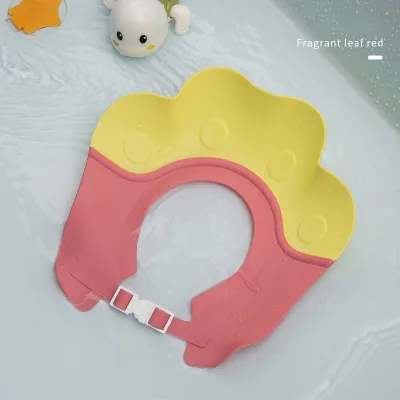
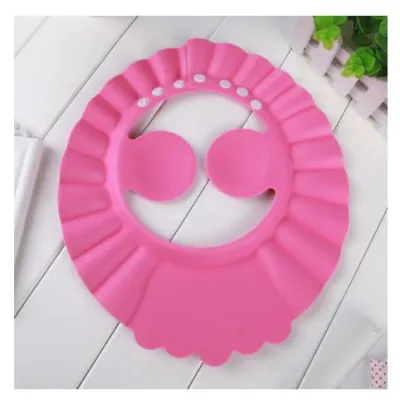
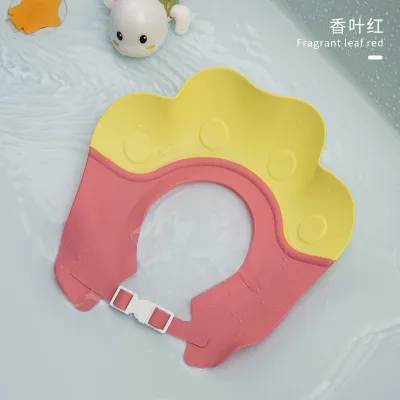
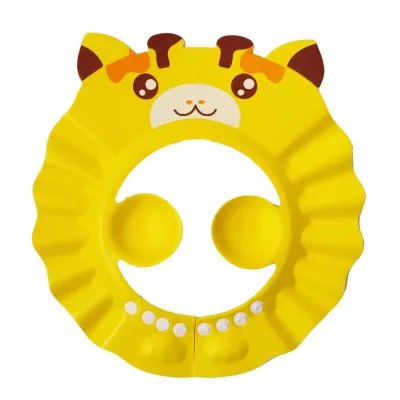
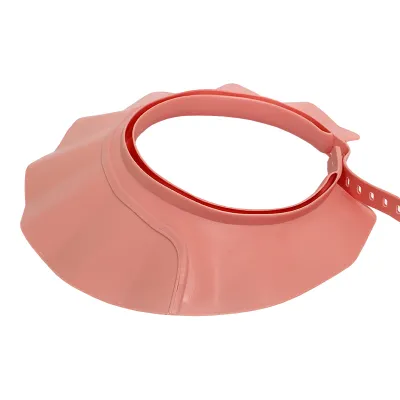
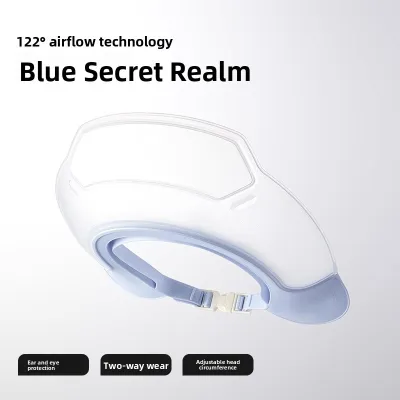
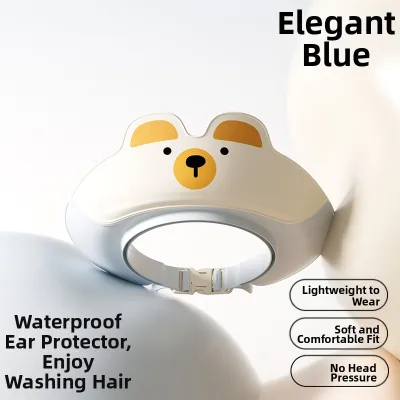
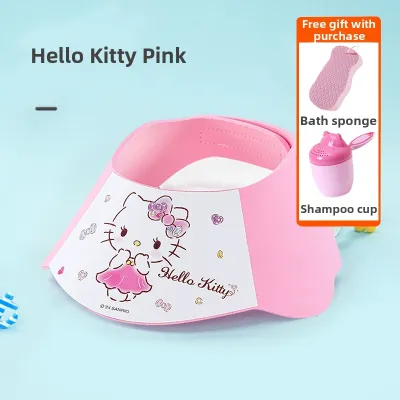
Prices are valid at publication and may change. Please refer to the product page for the latest price.
Food-Grade Silicone
Food-grade silicone is widely regarded as one of the safest materials for baby bath products. It is highly flexible, durable, and naturally resistant to the growth of bacteria, mold, and mildew. This resistance is particularly beneficial in warm, humid bathroom environments where moisture-loving fungi thrive. Silicone does not degrade easily under exposure to warm bath water and baby shampoos, meaning it will not release harmful chemical byproducts over time. Its soft, rubber-like texture allows it to stretch comfortably over a baby’s head, forming a watertight seal without scraping or pinching delicate skin.
EVA (Ethylene Vinyl Acetate) Foam
EVA foam is another common material used in the construction of baby shower visors. It is exceptionally lightweight, which prevents the cap from feeling heavy or restrictive on a young baby’s head. High-quality EVA foam provides a soft, cushioned barrier that gently conforms to the contours of the skull. Because it is highly buoyant and water-resistant, it effectively channels water away from the face. When choosing an EVA foam cap, parents should ensure the foam is dense and smooth, with no loose edges or flaking material that a baby could potentially tear off and swallow.
TPE (Thermoplastic Elastomer)
TPE is a blend of plastic and rubber that offers excellent elasticity, durability, and safety. It is frequently used as a non-toxic alternative to traditional plastics because it does not require harmful chemical plasticizers to remain flexible. TPE baby shower caps are soft to the touch, highly tear-resistant, and maintain their shape well even after repeated stretching and washing. This material is also easy to dry, which helps prevent the accumulation of soap scum and hard water deposits.
Chemical Safety Labels to Verify
Regardless of the base material listed on the packaging, parents must actively verify that the product has undergone rigorous safety testing. Look for explicit manufacturer labels indicating the product is free from harmful compounds.
- BPA-Free: Ensures the product does not contain Bisphenol A, a synthetic compound linked to endocrine disruption.
- Phthalate-Free: Confirms the absence of plasticizers commonly used to soften plastics, which can be harmful to developing reproductive systems.
- PVC-Free: Guarantees the cap does not contain Polyvinyl Chloride, a rigid plastic that often requires toxic additives to make it flexible.
- Lead-Free: Verifies that no heavy metals have been used in the coloring agents or manufacturing process.
Because product marketing can sometimes be misleading, do not rely solely on the product name or promotional descriptions. Check the physical packaging for official safety certifications, and review the manufacturer’s documentation to confirm these chemical-free claims.
Materials and Design Features to Avoid
Identifying potential hazards in a baby shower cap’s design and material composition is crucial for preventing injuries and chemical exposure. Many low-cost bath products sold on online marketplaces do not adhere to strict safety standards, making it necessary for parents to inspect each item thoroughly before use.

Cheap, Rigid Plastics and Unknown PVC Blends
Avoid shower caps constructed from stiff, rigid plastics or unidentified vinyl blends. These materials are often brittle and can crack or split after a few uses, leaving sharp edges that can scratch a baby’s delicate scalp or face. Furthermore, cheap PVC materials frequently contain phthalates and other volatile organic compounds (VOCs) that can leach out when exposed to warm bath water. If a shower cap emits a strong, synthetic, or “new plastic” chemical odor upon opening, it is highly likely off-gassing harmful chemicals and should be discarded immediately.
Non-Adjustable Elastic Bands
Caps that feature tight, non-adjustable elastic bands pose a significant safety risk. If the elastic is too tight, it can restrict blood circulation around the head, cause painful pressure marks, and lead to extreme discomfort or headaches for the baby. Conversely, if the elastic stretches out too quickly, the cap will lose its seal, allowing soapy water to flood the baby’s eyes and causing the cap to slip down. Look instead for designs featuring adjustable buckles, snap buttons, or highly compliant elastomeric bands that can be customized to your child’s specific head size.
Detachable Decorative Parts
Many baby shower caps are styled with cute cartoon animals, plastic flowers, or decorative buttons to appeal to children. However, any small, glued-on, or poorly attached decorative elements present a severe choking hazard. During bath time, warm water and baby soap can degrade the adhesives holding these decorations in place, causing them to fall off. A baby can easily place these small objects into their mouth. Opt for minimalist designs where any decorative features are molded directly into the single-piece body of the cap.
Potential Bath Time Risks and How to Minimize Them
While a baby shower cap can make washing hair much easier, it introduces specific operational risks that parents must actively manage. Understanding these risks allows you to implement simple, effective mitigation strategies to keep bath time safe.
Slipping and Vision Obstruction
A primary hazard of using a shower cap is the risk of the visor slipping down over the baby’s face. If the cap is too loose or if the baby pulls at it, the brim can slide down, covering their eyes, nose, and mouth. This can cause immediate panic, restrict their breathing, and increase the risk of water inhalation. To minimize this risk, always ensure the visor is adjusted snugly above the eyebrows before turning on the water. Maintain constant visual and physical contact with your baby, and never look away or leave the tub side while the cap is on.
Skin Irritation and Pressure Marks
Because a shower cap must fit snugly to prevent water from leaking, the constant pressure against the skin can sometimes cause localized irritation. In warm, humid climates, sweat and trapped bath water can accumulate under the band, leading to heat rash, contact dermatitis, or chafing. This is particularly problematic for babies with pre-existing skin conditions like eczema. To mitigate this, inspect your baby’s forehead and behind their ears immediately after removing the cap. If you notice persistent red rings or irritated skin, the cap is too tight and must be adjusted, or its use should be discontinued.
Water Trapping and Hygiene Issues
If water becomes trapped between the inner seal of the cap and the baby’s forehead, it can create a damp microenvironment that encourages bacterial or fungal growth. Additionally, if the shower cap is stored wet in a poorly ventilated bathroom, mold and mildew will quickly develop on the surface. To prevent these hygiene issues, thoroughly dry your baby’s head with a clean towel immediately after bath time. Wash the shower cap with mild soap and clean water after every use, wipe it down, and hang it to dry in a well-ventilated area outside the damp shower enclosure.
The Golden Rule of Water Safety
It is vital to remember that no bath accessory can replace the physical presence of a caregiver. Infant drowning can occur quickly and silently in as little as two centimeters of water. Never leave your baby unattended in the bath, even for a fraction of a second, to answer the phone, grab a towel, or open the door. If you must leave the bathroom, take your baby with you.
How to Ensure a Safe and Comfortable Fit
Achieving the perfect fit is the key to ensuring a baby shower cap performs its job without causing discomfort or safety hazards. Follow these practical steps to select, apply, and monitor the use of the cap.
Measure the Head Circumference First
Do not rely on the generic age recommendations printed on product packaging, such as “suitable for 6 to 12 months.” Babies grow at vastly different rates, and head sizes vary widely. Use a soft, flexible measuring tape to measure your baby’s head circumference just above the eyebrows and ears. Compare this measurement against the manufacturer’s sizing chart to select the correct cap size. If your baby’s measurement falls between two sizes, choose the larger size if it features an adjustable band, or look for a design with more flexible sizing options.
Step-by-Step Application Guide
To put the shower cap on comfortably without causing distress to your baby, follow this gentle method:
- Prepare the Cap: If the cap has adjustable snaps or buckles, open them to a size slightly larger than your baby's head.
- Position the Front: Gently place the front inner rim of the cap against your baby's forehead, positioning it just above the eyebrows.
- Secure the Back: Pull the back of the cap down over the crown of the head, ensuring it sits snugly at the nape of the neck.
- Adjust the Fit: Fasten the snaps or adjust the buckle until the cap is secure. Ensure that no hair is caught in the seal or the buckle, which can cause painful pulling.
- Check the Ears: Depending on the design, ensure the baby's ears are either comfortably tucked under the protective ear flaps or completely clear of the band to prevent pinching.
Verify the Seal with the Finger Test
Once the cap is in place, perform a quick physical check to verify the tension. A properly fitted cap should be snug enough to prevent water from passing through, but loose enough that you can easily slide one of your adult fingers underneath the edge of the band. If you cannot slide your finger under the band without stretching it forcefully, the cap is too tight and should be loosened immediately. If the band gapes or pulls away from the skin easily, it is too loose and will leak.
When to Stop Using the Cap
Parents must remain observant and be prepared to stop using the shower cap if certain warning signs appear. Discontinue use immediately under the following conditions:
- Extreme Distress: If your baby cries, panics, or repeatedly tries to pull the cap off, do not force them to wear it. Forcing the issue can create a negative association with bath time.
- Lingering Red Marks: If deep red marks or indentations remain on your baby's skin for more than 15 minutes after removing the cap, the fit is unsafe.
- Material Degradation: Inspect the cap before every bath. If you notice any tearing, stickiness, cracking, discoloration, or mold spots that cannot be cleaned, discard the cap immediately and replace it.
Frequently Asked Questions (FAQ)
At what age can a baby start using a shower cap?
Readiness to use a baby shower cap depends more on physical development and head control than a specific chronological age. Generally, a baby can begin using a shower cap once they have achieved strong neck control and can sit up unassisted in the bath, which typically occurs around 6 months of age. Before this milestone, babies are bathed in a reclined position, making a shower cap unnecessary and potentially unsafe due to the risk of the cap shifting. Always consult the manufacturer’s specific age, weight, and head circumference guidelines before introducing the product to your baby.
Can a tight shower cap cause hair loss or affect head shape?
A properly fitted, soft baby shower cap made of flexible materials like silicone or EVA foam will not affect a baby’s skull development or head shape. An infant’s skull bones are soft and malleable, but the gentle, temporary pressure of a well-fitting cap during a brief bath is insufficient to cause structural changes. However, if a cap is excessively tight and worn frequently, the constant friction and pulling can lead to localized skin irritation or traction alopecia, a temporary form of hair loss caused by physical tension on the hair shafts. Regularly checking the fit and sizing up as your baby grows will prevent these issues entirely.
Community discussion
Share your experience or ask a question. Comments are reviewed before publication.