
Are Baby Hair Trimmers Actually Safe for Newborns and Infants?
Welcoming a new baby brings a flurry of grooming questions, particularly when fine newborn hair starts growing unevenly or patchily. In Singapore’s warm, humid climate, keeping your baby’s scalp clean and free of trapped sweat is especially important, which often prompts parents to consider a neat trim. If you are considering using a baby hair trimmer, the short answer is that while specially designed infant trimmers are significantly safer than adult clippers, they are not entirely risk-free. Their safety depends heavily on your baby’s age, developmental stage, temperament, and the specific safety features of the device you choose.
For newborns aged zero to two months, mechanical trimming is generally discouraged due to the extreme fragility of their skin and the presence of open fontanelles (soft spots). During these very early weeks, it is best to leave their delicate hair alone or consult a healthcare professional if you believe a trim is medically necessary. As your baby grows into infancy, a specialized trimmer can become a practical tool, provided you understand the mechanical risks and implement strict safety precautions. Understanding the difference between “risk-reduced” and “risk-free” is the first step toward a successful, injury-free grooming routine.
Potential Risks of Using Hair Trimmers on Babies
Skin Nicks, Scratches, and Soft Spot Injuries
A baby’s skin is up to thirty percent thinner than adult skin, making it incredibly susceptible to friction, tears, and minor cuts. When using a mechanical trimmer, the risk of the blade catching on loose skin folds is particularly high around the neck, behind the ears, and along the rolls of the baby’s scalp. Caregivers must exercise extreme caution, ensuring that the trimmer blade never makes direct, pressurized contact with these vulnerable parts of the head.
Products mentioned in this guide
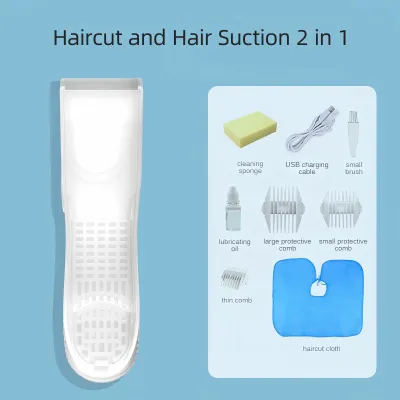
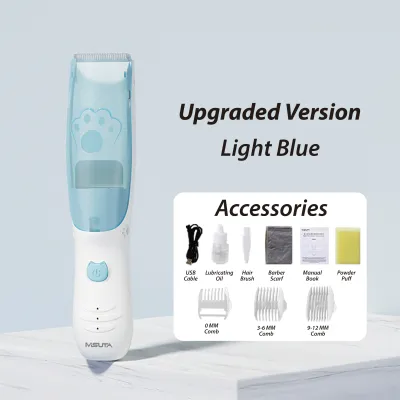

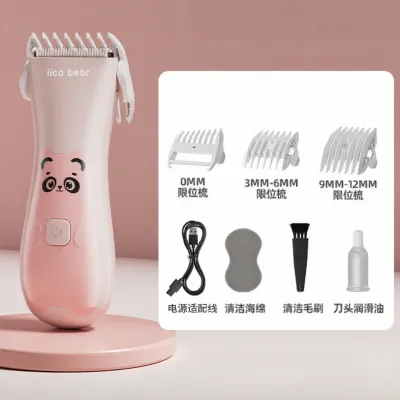

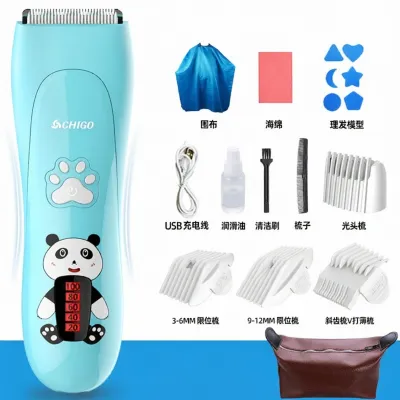
![[SG SELLER] FAST DELIVERY Adjustable Rechargeable Cordless Electric Hair Clipper Trimmer Cutter Grooming for Baby Kids Men Adults with Hairdresser Tools Set](https://img.lazcdn.com/g/p/0edf9463a7c5036e0cdf3e4deb247a85.jpg_400x400q80.jpg_.webp)
Prices are valid at publication and may change. Please refer to the product page for the latest price.

Furthermore, infants have undeveloped skull bones with soft spots, known as fontanelles, which require absolute protection from any physical pressure or impact. Even a lightweight baby hair trimmer, if pressed too firmly against these sensitive areas, can cause serious, non-reversible injury to the underlying tissues. Always keep a safe distance from these areas and avoid applying downward pressure when navigating the scalp.
Noise, Vibration, and Sensory Overload
Infants have highly sensitive auditory and sensory systems that are easily overwhelmed by unfamiliar mechanical stimuli. The buzzing sound of a motor combined with the physical vibration of a trimmer against the scalp can easily startle a baby, triggering a fear response. When a baby becomes frightened, their natural reaction is to cry, flail, or make sudden, unpredictable head movements to escape the source of discomfort.
This thrashing behavior dramatically increases the risk of accidental slips, where the moving blade can scrape across the face, ears, or eyes. Selecting a device designed to minimize sensory triggers is therefore not just a matter of comfort, but a critical safety measure to prevent sudden physical movement. Reducing sensory stimulation helps keep the baby cooperative and still.
Hair Pulling and Tugging
Unlike the coarse hair of adults, baby hair is exceptionally fine, soft, and often sparse, which presents unique mechanical challenges for cutting tools. If a hair trimmer has dull blades, low battery power, or a cutting mechanism clogged with previous clippings, it may fail to cut the hair cleanly on the first pass. Instead, the blades can catch, pull, or tug at the delicate hair roots, causing immediate pain and distress for your infant.
This sudden pinch of pain will almost certainly cause the baby to jerk their head away, creating an immediate hazard while the device is in motion. Ensuring the cutting mechanism is sharp, clean, and fully powered is essential to prevent these painful, dangerous tugging episodes. Regular maintenance of the trimmer is a non-negotiable safety step.
Essential Safety Features to Check Before Use
Blade Design and Materials
When shopping for a baby hair trimmer, the construction of the cutting head is the most critical safety specification to verify. Look for devices equipped with ceramic blades rather than traditional stainless steel, as ceramic conducts less heat and reduces the risk of thermal discomfort against sensitive skin. Additionally, the blade teeth should feature a rounded, R-shaped design, which prevents the sharp edges of the moving inner blade from making direct contact with the scalp.
Many high-quality infant trimmers also come with specialized, fixed-length safety guards that act as a physical barrier between the blade and the skin. Always inspect the blade assembly under a bright light before every grooming session to ensure there are no chipped teeth, rust, or misalignment that could scratch your child. If you notice any damage, do not use the device and replace the blade head immediately.
Low Noise and Minimal Vibration
To protect your baby’s delicate hearing and prevent sensory panic, prioritize trimmers engineered with low-decibel motors. Many specialized baby grooming brands design their motors to operate at whisper-quiet levels, often below fifty decibels, which is comparable to a quiet conversation. Always verify the manufacturer’s decibel rating and read product documentation to confirm the noise level before purchasing.
Before introducing the trimmer to your baby’s head, switch it on and hold it against your own palm or forearm to evaluate the vibration intensity. If the device vibrates so strongly that it makes your own hand feel numb or uncomfortable, it is highly likely to terrify an infant when placed against their skull. A high-quality motor should run smoothly with minimal structural buzzing, allowing the baby to remain calm and still throughout the process.
Ergonomics, Grip, and Waterproofing
A secure grip is essential for maintaining precise control over a moving cutting tool near a squirming child. Choose a trimmer with an ergonomic, non-slip handle that fits comfortably in your hand, even if your fingers are slightly damp. This design prevents the device from slipping out of your grasp and accidentally falling onto your baby during a grooming session.
Waterproofing is another highly valuable feature, often designated by an IPX7 rating, which allows the entire unit to be safely submerged or rinsed under running water. Waterproof designs make it significantly easier to wash away fine, trapped hairs and oils that accumulate in the blade housing, preventing hygienic issues and motor strain. Always check the manufacturer’s care instructions to confirm the exact water-resistance level before exposing any electronic device to water.
Step-by-Step Precautions for a Safe Baby Haircut
Preparing the Baby and the Environment
The success of a baby haircut depends heavily on timing, preparation, and environmental control. Choose a time of day when your baby is naturally at their most relaxed, such as shortly after a morning feed and a diaper change, when they are well-rested and content. Avoid attempting a trim when your baby is hungry, tired, teething, or showing signs of fussiness, as this will quickly escalate into a stressful experience.
Set up your grooming station in a brightly lit room with a comfortable ambient temperature to prevent your baby from getting chilled if they need to be partially undressed. Crucially, never attempt to trim your baby’s hair alone; always enlist the help of a second adult who can securely hold, support, and distract the baby with toys or songs while you focus entirely on operating the trimmer. Having a dedicated helper ensures the baby remains stable and safe.
Safe Handling and Trimming Techniques
When you are ready to begin, hold the trimmer firmly and keep the blade in gentle, continuous motion, avoiding the temptation to press it flat or hold it stationary against the scalp. Use your free hand to gently flatten out any skin folds, pull the ears down and away from the cutting path, and shield the sensitive soft spots from accidental contact. Always trim in the direction of hair growth, or follow the specific directional guidelines provided in your trimmer’s instruction manual.
Keep your movements slow, deliberate, and steady, taking frequent breaks to check your baby’s comfort level and clear away loose hair. Most importantly, establish a strict “hard stop” rule: if your baby begins to cry intensely, thrash their head, or show signs of severe distress, turn off the trimmer immediately and postpone the haircut for another day. Forcing the issue dramatically increases the risk of injury.
Post-Trim Care and Cleanup
Once the trim is complete, immediate and thorough cleanup is necessary to prevent skin irritation and physical discomfort. Use a very soft, clean brush or a damp washcloth to gently sweep away loose hair clippings from your baby’s face, neck, shoulders, and ears. These tiny, fine hair clippings can be incredibly itchy and can easily find their way into your baby’s eyes, nose, or mouth if left on the skin.
Giving your baby a warm, soothing bath immediately after the haircut is the most effective way to ensure all stray hairs are fully washed out of their skin folds. Finally, clean, dry, and lubricate the trimmer blades according to the manufacturer’s exact guidelines, and store the device in a secure, dust-free container out of reach of children. Proper maintenance preserves the blade’s sharpness and safety for the next use.
When to Delay Trimming or Choose Safer Alternatives
There are many scenarios where using a mechanical trimmer is highly inadvisable, and parents must be willing to delay the process or opt for safer alternatives. If your baby is currently unwell, running a fever, teething, or experiencing digestive discomfort, their pain tolerance and patience will be significantly lower, making a haircut unsafe. In these situations, wait until the baby has fully recovered before attempting any grooming.
For very young newborns or infants who are exceptionally sensitive to noise, consider using blunt-tipped baby grooming scissors for minor, targeted trims around the eyes or ears instead of a mechanical device. Additionally, if your baby has an active scalp condition such as cradle cap, eczema, open sores, or unexplained rashes, do not use a trimmer or scissors over the affected areas. In these cases, always consult a pediatrician or pediatric dermatologist to address the underlying skin condition before attempting any mechanical grooming.
Frequently Asked Questions (FAQ)
Can I use a regular adult hair clipper on my baby?
No, you should never use a standard adult hair clipper on an infant or newborn. Adult clippers are engineered with much sharper, exposed steel blades, more powerful motors, and intense vibrations that can easily cut delicate baby skin and cause severe sensory distress. Baby-specific trimmers are designed with tighter blade gaps and quieter motors to mitigate these specific hazards.
At what age is it safe to start using a baby hair trimmer?
While some manufacturers label their trimmers as suitable from birth, pediatricians and grooming experts generally recommend waiting until your baby has developed strong head and neck control, typically around three to six months of age. This physical stability makes it much easier to keep the baby still and safe during the haircut. Always prioritize your individual baby’s development and temperament over age guidelines.
What should I do if the trimmer nicks my baby's skin?
If a minor nick occurs, immediately apply gentle pressure with a clean, damp cloth to stop any bleeding, then wash the area gently with mild soap and water. If the cut is deep, continues to bleed after several minutes of pressure, is located near the eyes, or shows signs of infection like redness, swelling, or warmth in the following days, seek immediate professional medical attention.
Community discussion
Share your experience or ask a question. Comments are reviewed before publication.