
While baby cot bumper guards are frequently marketed as essential nursery accessories designed to protect infants from bumping their heads against wooden slats, major pediatric and health authorities globally and locally advise against their use. The consensus among medical professionals is clear: cot bumpers pose significant safety risks, including suffocation, physical entrapment, strangulation, and an increased risk of Sudden Infant Death Syndrome (SIDS). For parents setting up a nursery, understanding the physical mechanisms behind these hazards is crucial for making informed decisions. Rather than relying on soft padding to cushion a baby, families are encouraged to focus on creating a minimalist, secure sleep environment that aligns with established safe sleep guidelines. This guide explores the specific risks associated with bumper guards, how to evaluate marketing claims, and practical, safe alternatives to keep your baby secure throughout the night.
Understanding the Safety Risks of Cot Bumper Guards
To understand why health professionals advise against cot bumpers, it is necessary to examine how these accessories interact with an infant’s developing physical capabilities. During the first few months of life, babies lack the motor control and neck strength to easily pull themselves away from hazards. If an infant rolls over or wiggles into the corner of the cot, their nose and mouth can become pressed directly against the soft padding of a bumper guard. This contact can obstruct their airway, leading to rapid suffocation. Even if the airway is not completely blocked, the soft fabric can trap exhaled carbon dioxide, causing the baby to rebreathe their own stale air, which critically depletes their oxygen levels and can lead to SIDS.
Entrapment and strangulation represent another set of physical dangers. Most traditional bumper guards are secured to the cot slats using fabric ties or ribbons. If these ties become loose, unravel, or break, they present a direct strangulation hazard to a curious or moving infant. Furthermore, as babies grow and begin to pull themselves up, they can slip into the gaps between the bumper guard and the mattress, or between the bumper and the cot frame. This can lead to the baby’s head or limbs becoming trapped in tight spaces, cutting off circulation or restricting breathing.
Products mentioned in this guide

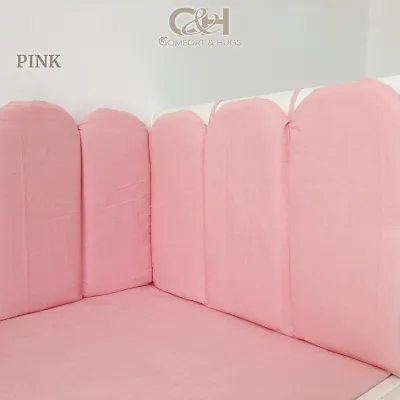
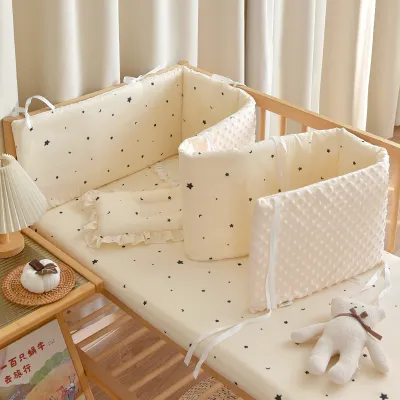
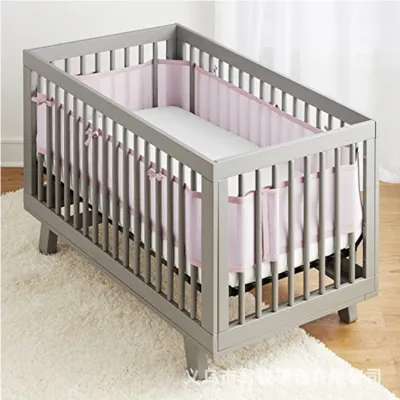

Prices are valid at publication and may change. Please refer to the product page for the latest price.
Overheating is an often-overlooked factor that directly contributes to SIDS risks. In a warm and humid climate like Singapore’s, maintaining proper airflow around a sleeping infant is essential. Thick, padded bumper guards act as barriers that block the natural circulation of air through the cot slats. This trapped air can cause the temperature inside the cot to rise significantly, especially if the nursery relies on natural ventilation or a fan rather than continuous air conditioning. Because infants cannot regulate their body temperature as efficiently as adults, this localized heat buildup increases the risk of overheating, which is a well-documented trigger for SIDS.
Navigating Official Safe Sleep Guidelines
When preparing a nursery, parents are often inundated with product advertisements that emphasize comfort and safety. However, it is vital to cross-reference these commercial claims with official recommendations from recognized health authorities. In Singapore, healthcare institutions and maternal health guidelines consistently mirror international pediatric standards, advising that a baby’s sleep space should be kept completely free of soft objects, including bumpers, pillows, quilts, and stuffed toys. Before purchasing any cot accessory, parents should consult the latest publications from local health boards or their pediatrician to verify current safe sleep practices.

Many manufacturers market their products using terms like “breathable,” “airflow-friendly,” or “anti-suffocation.” While these descriptions are designed to reassure anxious parents, they often lack independent medical endorsement or standardized safety testing. A material that allows some air to pass through under laboratory conditions may still pose a suffocation risk if compressed against an infant’s face, or if it becomes detached and wraps around the baby. Recognizing the limitations of these marketing labels helps parents look past commercial appeal and prioritize evidence-based safety standards.
The core principles of a safe sleep environment are remarkably simple and do not require expensive accessories. Pediatric consensus emphasizes that a baby should sleep on their back, on a flat, firm mattress covered only by a tight-fitting sheet. The cot should be entirely empty. By adhering to this minimalist approach, parents can eliminate the variables that contribute to sleep-related accidents, ensuring that the baby has an unobstructed breathing space throughout the night.
Addressing Parental Concerns Without Bumpers
A common worry among parents is that an active baby might bump their head against the hard wooden slats of the cot or get their arms and legs caught between them. While these incidents can cause temporary discomfort or a brief waking episode, they rarely result in serious injury. To address these concerns safely, parents should first verify that their cot complies with standard safety specifications. High-quality cots are designed with specific slat spacing—typically no wider than 6 centimeters—which is narrow enough to prevent a baby’s head from slipping through while allowing adequate ventilation. Checking these measurements before assembly provides peace of mind without the need for dangerous padding.
To keep a baby warm and cozy without the risk of loose bedding or bumpers, wearable blankets or sleep sacks are an excellent alternative. These garments are designed to fit securely around the baby’s upper body while leaving room for healthy hip development. Because they cannot slip over the baby’s face or become untied, they provide consistent warmth without introducing any suffocation or strangulation hazards into the cot. When selecting a sleep sack in Singapore, parents should choose lightweight, breathable fabrics like cotton or bamboo to suit the local tropical climate.
Another critical step is ensuring that the cot mattress fits perfectly within the frame. A mattress that is too small leaves dangerous gaps along the sides where an infant’s limbs or head could become wedged. Parents should verify that the mattress is firm and matches the exact dimensions specified by the cot manufacturer. By eliminating these gaps and ensuring the cot structure itself is safe, the perceived need for protective bumper guards is entirely removed, allowing the baby to sleep securely in an uncluttered space.
Creating a Safe Sleep Environment Checklist
To help parents systematically evaluate their baby’s nursery, a step-by-step verification process can ensure no hazards are overlooked. Before placing an infant down for a nap or night-time sleep, parents can perform these quick, observable checks to maintain a secure environment.
First, conduct a mattress fit test. Place the mattress inside the cot and attempt to slide your fingers between the edge of the mattress and the wooden frame. If you can easily fit more than two fingers in the gap, the mattress is too small for the cot, creating an entrapment hazard. The mattress must fit snugly against all four sides of the frame, with no room for a baby to slip into the margins.
Second, clear the cot completely before every sleep session. This means removing all pillows, heavy blankets, quilts, stuffed animals, bumper guards, and positional sleepers or nests. The only items that should be in the cot are a firm mattress, a tightly fitted sheet, and the baby dressed in appropriate sleepwear. This minimalist setup ensures there are no loose fabrics or soft surfaces that could compromise the baby’s breathing.
Third, manage the room temperature carefully to prevent overheating. In Singapore’s warm climate, parents should aim to keep the nursery at a comfortable, consistent temperature, typically using a fan or air conditioning. Dress the baby in a single layer of lightweight clothing or a low-TOG (Thermal Overall Grade) sleep sack suitable for warm weather. Avoid wrapping the baby in heavy swaddles or adding extra layers to the cot, and regularly check the back of the baby’s neck or chest to ensure their skin feels warm but not sweaty or hot.
Frequently Asked Questions (FAQ)
Are mesh cot liners safer than padded bumper guards?
Mesh cot liners are often marketed as a safer, highly breathable alternative to traditional padded bumper guards because their mesh construction allows more airflow. While they do reduce the risk of carbon dioxide rebreathing compared to thick fabric padding, they are still not considered entirely safe by pediatric authorities. Mesh liners still require ties, velcro, or fasteners to attach to the cot slats, which can become loose and present entanglement or strangulation risks. Additionally, as infants grow and learn to stand, they can use the mesh liner as a step to climb out of the cot, leading to fall injuries. Pediatric guidelines generally recommend avoiding all types of cot liners, including mesh versions, to maintain a completely clear sleep space.
When can toddlers safely use pillows or soft bedding?
The risk of SIDS and sleep-related suffocation decreases significantly after an infant reaches twelve months of age, as they develop better motor control, head strength, and the ability to roll over easily. However, many pediatricians recommend waiting until a child transitions to a toddler bed—typically between 18 months and two years of age—before introducing a small, firm pillow or a light blanket. Before adding any soft bedding to your child’s sleep space, it is wise to consult your pediatrician to assess their specific developmental milestones. Even after infancy, keeping the sleep environment relatively simple and uncluttered remains the best practice for promoting restful and safe sleep.
Community discussion
Share your experience or ask a question. Comments are reviewed before publication.