
Quick Answer: Are Baby Bath Hats Safe for Infants?
Baby bath hats, also commonly known as shower visors or shampoo shields, are generally safe for infants and toddlers when used correctly under constant, active adult supervision. However, they are not entirely risk-free. Because these accessories sit directly on your child’s head and are used in a wet environment, their safety depends entirely on three critical factors: non-toxic material composition, structural integrity without small detachable parts, and a proper fit that avoids excessive pressure on the delicate skull.
It is vital to remember that no bath accessory replaces the need for direct caregiver supervision. A bath visor is designed solely to keep soapy water out of your baby’s eyes and ears; it does not prevent slipping, tipping, or drowning hazards. You must always keep your baby within arm’s reach and maintain visual contact throughout the entire bath.
Material Safety: Evaluating Toxicity and Skin Sensitivities
When choosing a baby bath hat, the chemical and physical safety of the material should be your primary concern. Because the hat will frequently get wet, warm, and come into contact with baby shampoo and delicate skin, you must evaluate what it is made of before placing it on your child.
Products mentioned in this guide
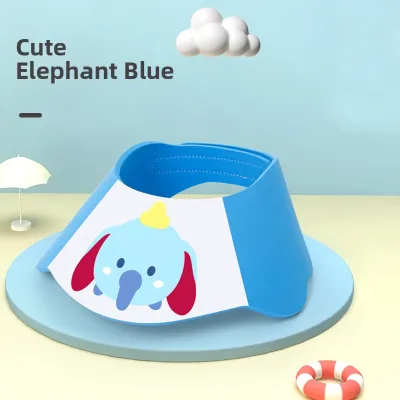
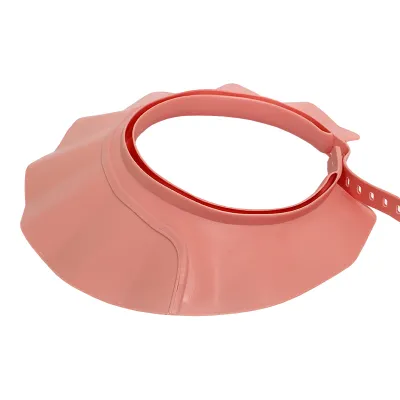
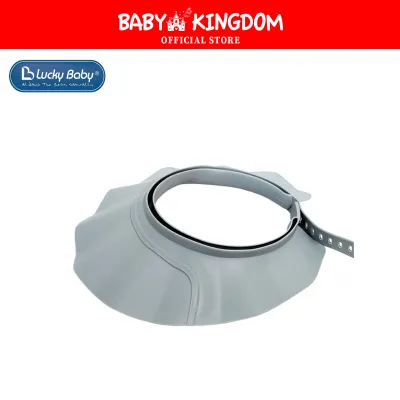
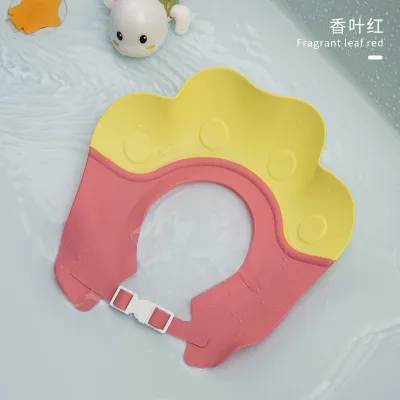
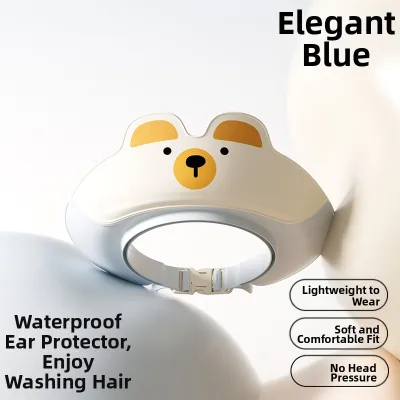
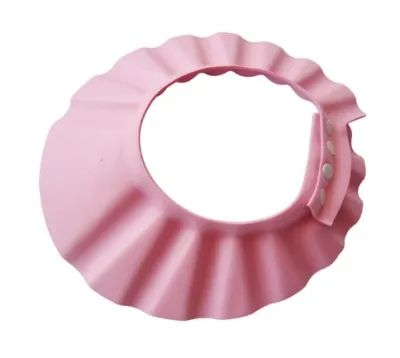
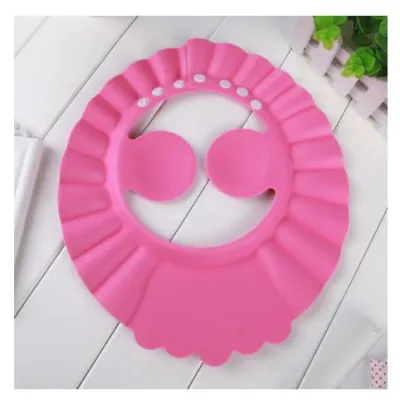
![[𝐒𝐆 𝐒𝐞𝐥𝐥𝐞𝐫] BabySPA Adjustable Baby Shampoo Bath Shower Cap Hat for Babies Face Shield](https://img.lazcdn.com/g/p/464e846acec311424a2226806206f26d.jpg_400x400q80.jpg_.webp)
Prices are valid at publication and may change. Please refer to the product page for the latest price.

Most bath hats on the market are constructed from one of three common materials:
- EVA Foam (Ethylene-Vinyl Acetate): This is a highly lightweight, soft, and flexible polymer. While it provides a comfortable, cushioned fit, low-quality EVA foam can sometimes retain moisture, making it susceptible to mold if not dried properly.
- Silicone: Food-grade silicone is highly durable, easy to sanitize, and naturally resistant to mold and bacteria. It tends to be slightly heavier and more expensive than foam, but it offers excellent longevity.
- Soft Plastics: Some visors combine a rigid plastic brim with a soft, rubberized inner band. These hybrid designs provide a sturdy shield but require careful inspection to ensure the plastic edges are smooth and rounded.
Before purchasing, check the physical product packaging and manufacturer specifications for safety markers such as BPA-free, phthalate-free, and PVC-free claims. Do not rely solely on online product titles or descriptions on ecommerce platforms, as these listings can sometimes contain inaccurate or unverified keywords. Always verify these claims against the actual product packaging once it arrives.
Another important physical check is identifying strong chemical odors. When you first unpack a new bath hat, sniff it closely. A strong, pungent chemical smell indicates off-gassing, which can be irritating to a baby’s sensitive respiratory system. If a prominent odor persists after washing the hat with mild baby soap and airing it out in a well-ventilated space, do not use it on your baby; return the product instead.
Finally, consider your baby’s skin sensitivity. If your little one is prone to eczema, cradle cap, or general skin allergies, look for hypoallergenic materials. After the first few uses, perform a brief visual check of your baby’s hairline and forehead. Look for localized skin redness, bumps, or dry patches. If you notice any signs of irritation, stop using the hat immediately and consult your pediatrician.
Choking and Strangulation Hazards: Structural Risks
Beyond chemical safety, you must evaluate the physical design of the bath hat to prevent mechanical injuries. Many manufacturers add decorative features to make the hats more appealing to children, but these design choices can introduce significant safety risks if they are not structurally sound.
Inspect the hat thoroughly for small detachable parts. Some designs include cartoon eyes, decorative buttons, loose snaps, or peeling stickers. In a wet bath environment, adhesives can degrade rapidly. If a baby pulls at a loose decorative element, it can easily pop off and become a severe choking hazard. Opt for simple, molded, single-piece designs whenever possible.
Adjustable straps, drawstrings, and rigid brims also require close inspection. Avoid any bath hat that utilizes long cords or drawstrings, as these pose a direct strangulation risk if the hat slips down around the baby’s neck. Similarly, highly rigid plastic brims can pose an eye-poking hazard if the hat shifts suddenly while you are rinsing your baby’s hair.
To ensure ongoing safety, establish a quick pre-bath physical inspection routine:
- Tension Test: Gently pull on the edges and joins of the hat to ensure the material is structurally sound and not about to tear.
- Micro-Tear Check: Inspect foam visors closely for small cracks or micro-tears, especially around the inner rim where the material stretches the most.
- Fastening Check: Ensure all snaps, buckles, or hook-and-loop fasteners are secure, flush against the material, and free of sharp edges that could scratch your baby's scalp.
If you notice any signs of material degradation, such as cracking, peeling, stickiness, or loose fastenings, discard the hat immediately. Do not attempt to repair a damaged bath hat with household glues or tape, as these can introduce toxic chemicals and fail during use.
The Fit Checklist: Preventing Discomfort and Water Leakage
Achieving the correct fit is a delicate balance. If the bath hat is too tight, it can cause immediate physical discomfort, restrict superficial blood flow, leave deep red pressure marks, and trigger intense distress in your baby. Conversely, if the hat is too loose, soapy water will leak directly into your baby’s eyes and ears, defeating the primary purpose of the accessory and potentially causing them to panic.
Never buy a baby bath hat based solely on the age range printed on the box, such as “suitable for 6 to 12 months.” Babies’ head sizes and shapes vary dramatically. Instead, use a soft measuring tape to measure your baby’s head circumference. Measure just above the ears and across the middle of the forehead where the hat’s inner band will sit. Compare this measurement directly with the manufacturer’s official sizing chart before purchasing.
Once you have the hat, use the “two-finger rule” to verify the fit during a dry trial run before bath time. Place the hat on your baby’s head and attempt to slide two of your fingers comfortably under the inner rim. If you cannot fit your fingers under the band, or if the skin looks compressed and puckered, the hat is too tight. If the band gapes, sags, or slides down when you gently tap the brim, it is too loose.
When adjusting hats with adjustable snaps or buckles, always make the adjustments before placing the hat on your baby’s head. This prevents you from accidentally pinching their delicate skin or pulling their fine hair in the fastening mechanism. Ensure all hair is smoothed downward and is not trapped under the inner band, as trapped hair can break and prevent a proper water seal.
Because babies’ heads grow at a rapid pace, a bath hat that fit perfectly last month may be dangerously tight today. Make it a habit to re-evaluate the fit using the two-finger rule every few weeks. If your baby has reached the maximum adjustment limit of the hat, it is time to transition to a larger size or discontinue use.
Safe Usage Boundaries and When to Retire the Hat
Using a baby bath hat safely requires establishing strict boundaries for its wear time and maintenance. A bath hat should never be treated as a toy or worn for extended periods. It is a functional tool meant strictly for the washing and rinsing portion of the bath.
Maintain strict touch-supervision at all times. This means you must remain within arm’s reach of your baby during the entire bath, with your hands ready to intervene instantly. If the bath hat slips down over your baby’s nose or mouth, or if they slip in the tub while trying to pull the hat off, you must be there to assist them immediately.
Know the clear indicators for when to stop using the hat. You should retire or replace the product immediately if you observe any of the following conditions:
- Physical Marks: Persistent red marks, indentations, or skin irritation on the forehead or temple area after removing the hat.
- Child Distress: Your baby shows consistent distress, cries, or repeatedly tries to pull the hat off during use.
- Material Decay: The material becomes sticky, develops cracks, loses its elasticity, or shows signs of mold and mildew in the crevices.
- Ineffective Seal: The inner band stretches out, causing consistent water leakage into the eyes despite proper adjustment.
If your baby develops a persistent skin rash, redness, or irritation along the hairline that does not resolve after drying the skin, stop using the hat completely and consult a pediatrician or qualified healthcare professional.
Proper post-bath care is essential to prevent secondary health hazards like mold and mildew. In humid climates, such as Singapore’s tropical environment, damp bath accessories can become breeding grounds for mold within days. After every use, rinse the bath hat thoroughly with clean, warm water to remove all soap and shampoo residue. Shake off excess water and hang the hat to air-dry completely in a well-ventilated area outside the damp bathroom. Never store a wet bath hat flat on a surface or in a closed container.
Frequently Asked Questions (FAQ)
Can a tight baby bath hat cause hair loss or skin irritation?
Yes, a tight baby bath hat can cause both temporary hair breakage and skin irritation. Excessive friction, pulling, or prolonged pressure from a tight inner brim can damage fine baby hair and lead to localized contact dermatitis. To prevent this, ensure your baby’s hair is smoothed down and not trapped beneath the band before securing it. Limit the hat’s continuous wear time strictly to the active washing and rinsing portion of the bath, rather than leaving it on for the entire duration of play time in the tub.
Is it safe to leave a baby unattended for a few seconds while wearing a bath hat?
No, it is never safe to leave a baby unattended in the bath, regardless of what safety accessories they are wearing. A baby bath hat is designed solely to shield the eyes and ears from water and shampoo splashes. It does not provide any protection against slipping, tipping over, or drowning. You must maintain constant, undistracted adult supervision and keep your baby within arm’s reach at all times during bath time.
Community discussion
Share your experience or ask a question. Comments are reviewed before publication.