
Quick Answer: What to Check Before Using Arau Baby
To determine if Arau Baby bathing products are safe and legally notified in Singapore, parents must verify the product’s specific regulatory status and suitability on the physical packaging. In Singapore, baby washes are classified as cosmetic products and must be notified with the Health Sciences Authority (HSA) before local sale. Look for a valid local importer label, distributor details, and age-appropriate usage instructions (such as “0+ months”) on the bottle.
Because newborn skin is highly delicate and prone to individual sensitivities, regulatory compliance does not eliminate the risk of localized reactions. A careful patch test remains a mandatory first step before any full-body application. Never rely solely on a brand name or marketing claims to assume a product is safe for your infant’s unique skin barrier.
Understanding HSA Regulations for Baby Care in Singapore
In Singapore, the Health Sciences Authority (HSA) regulates personal care items, including baby washes, shampoos, and foams, under the ASEAN Cosmetic Directive. Unlike prescription medications or therapeutic devices, baby bathing products do not undergo a rigorous pre-market “approval” or “certification” process by the HSA. Instead, local importers or manufacturers must submit a cosmetic product notification to the HSA before placing the product on the market.
Products mentioned in this guide
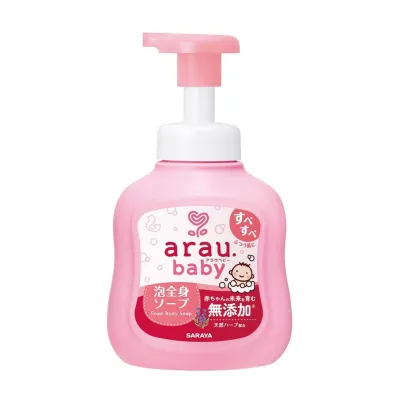
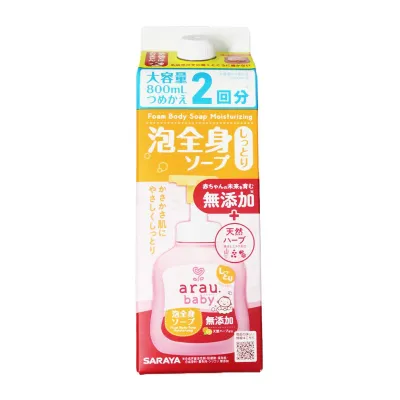
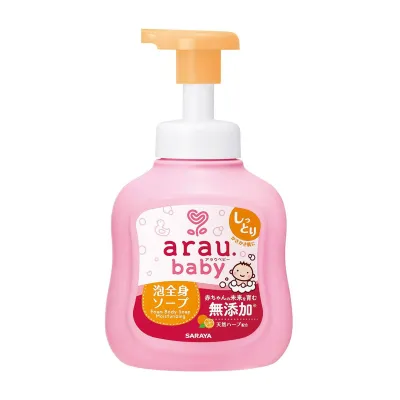
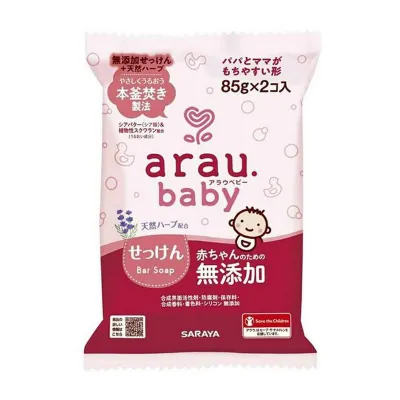
Prices are valid at publication and may change. Please refer to the product page for the latest price.

This notification process ensures that the company responsible for the product declares compliance with safety guidelines, ingredient restrictions, and manufacturing standards. It is a legal requirement designed to prevent the sale of products containing banned or harmful substances, ensuring a baseline level of consumer safety across the market.
Parents can independently verify whether a specific baby wash has been successfully notified. The HSA maintains an online public database called the Class Health Product Register or the Cosmetic Product Notification database. By entering the brand name, product name, or the importer’s details into this portal, you can confirm if the item is legally registered for sale in Singapore.
It is crucial to understand what an HSA notification signifies. A successful notification indicates that the product meets the baseline safety requirements established by regional cosmetic standards and does not contain prohibited substances. However, it is not an endorsement of efficacy, nor does it guarantee that the product is completely hypoallergenic for every infant.
Newborn skin is significantly thinner and more permeable than adult skin, meaning even legally compliant, natural, or mild ingredients can occasionally trigger contact dermatitis or irritation. Therefore, while verifying HSA notification is an essential safety step, it must always be combined with careful personal observation and proper usage practices.
Step-by-Step Guide to Verifying Arau Baby Product Safety
Label Inspection
When purchasing Arau Baby products, examine the physical container closely. Legally imported cosmetic products in Singapore typically feature a sticker or printed label in English detailing the local distributor’s name, address, and contact information. Check for a batch number, manufacturing date, and expiry date.
If the packaging only features foreign languages without a local importer label, the product may have been brought in via parallel import channels. While parallel imports are common, they require extra vigilance to verify authenticity and compliance. Ensure the packaging is completely sealed and shows no signs of tampering before use.
Ingredient Review
Turn the bottle over to inspect the complete ingredient list. For newborns, pediatricians generally recommend minimizing exposure to complex chemical formulations. Look closely at the ingredients to identify any added synthetic fragrances, artificial colorants, parabens, or harsh sulfates like sodium lauryl sulfate (SLS).
If you are considering a product that contains natural essential oils or botanical extracts, keep in mind that these natural components can still be potential allergens for highly sensitive newborn skin. Checking the ingredient list allows you to cross-reference any known sensitivities your baby might have.
Age and Usage Directives
Never assume a product is safe for a newborn simply because the brand name contains the word “baby.” Locate the manufacturer’s explicit age recommendations on the label. Look for clear phrasing indicating suitability for newborns, such as “from birth” or “suitable for infants.”
Additionally, read the application instructions carefully. Some baby washes are highly concentrated and require dilution in bathwater, while others are pre-foamed and designed for direct, gentle application. Following these instructions precisely prevents over-cleansing, which can strip the natural lipid barrier of your baby’s skin.
Best Practices for Introducing a New Bathing Product to Your Newborn
Patch Testing Protocol
Before incorporating any new bathing product into your newborn’s routine, perform a localized patch test. Apply a very small, diluted amount of the baby wash to a discreet area of your infant’s skin, such as the inner forearm or the upper thigh. Gently rinse the area with lukewarm water after a brief moment, mimicking the actual bath process.
Observe this specific patch of skin over the next 24 to 48 hours. Look closely for any signs of localized reaction, including redness, tiny bumps, dryness, or flaking. If the skin remains clear and calm, you can proceed with using the product for regular baths.
Bathing Technique
When bathing a newborn, the technique is just as important as the product itself. Ensure the bathwater is lukewarm, ideally matching or slightly below the baby’s body temperature. Limit the entire bath duration to five to ten minutes, as prolonged exposure to water can dry out delicate skin.
Avoid using rough washcloths or scrubbing brushes; instead, use your clean hands to gently smooth the lather over your baby’s skin. Focus primarily on areas prone to sweat and moisture buildup, such as the neck creases, diaper area, and underarms. Always supervise your baby closely throughout the entire bath.
Post-Bath Observation
After lifting your baby from the bath, gently pat their skin dry with a soft, clean towel rather than rubbing. Inspect their skin in a well-lit room. Healthy newborn skin should look smooth and feel soft.
If you notice mild dryness or rough patches, consider applying a gentle, fragrance-free infant moisturizer or emollient recommended by your pediatrician. Keep a close eye on how their skin reacts over the subsequent hours, especially during the first few weeks of introducing a new product.
When to Stop Use and Seek Professional Advice
Even when using notified and carefully selected products, adverse skin reactions can occur. Caregivers must remain vigilant and immediately stop using any bathing product if they observe signs of skin distress. Red flags include persistent redness that does not fade, hives, raised red welts, dry peeling skin, or sudden dry patches.
If your baby exhibits signs of physical discomfort, such as unusual fussiness, scratching, or crying during or immediately after a bath, discontinue the product immediately. These behavioral cues can often be the first indication of skin discomfort or itching before visible rashes appear.
If a reaction occurs, initiate immediate first-aid steps at home. Gently rinse the affected skin areas with plenty of plain, lukewarm water to remove any remaining product residue. Avoid applying any scented lotions, home remedies, or over-the-counter steroid creams without professional guidance. Keep the skin clean, dry, and exposed to cool air if possible.
Consult a pediatrician or a pediatric dermatologist if the skin irritation does not improve within 24 hours, if the rash spreads to other parts of the body, or if you notice signs of infection such as oozing, blisters, or a fever. Do not attempt to self-diagnose or treat moderate to severe skin conditions, as newborn skin requires specialized medical evaluation to prevent secondary infections.
Frequently Asked Questions (FAQ)
Do all baby washes in Singapore require HSA approval?
In Singapore, baby washes are classified as cosmetic products under the Health Sciences Authority (HSA) guidelines. They do not undergo a pre-market approval process like pharmaceuticals. Instead, they require a cosmetic product notification. The local importer or manufacturer must notify the HSA before selling the product. This notification confirms that the product complies with safety standards, but parents should still verify the notification status and read labels carefully.
Can I use Arau Baby products if my newborn has eczema?
If your newborn has been diagnosed with eczema or has extremely sensitive, compromised skin, you should consult your pediatrician or a pediatric dermatologist before using any standard baby wash. Eczema-prone skin requires specialized, highly emollient, fragrance-free, and soap-free formulations. Standard baby washes, even those marketed as natural or gentle, may contain botanical extracts or cleansing agents that can trigger flare-ups on compromised skin barriers.
Where can I find the official ingredient list for Arau Baby?
The most reliable source for the ingredient list is the physical packaging of the product sold by authorized local distributors in Singapore. Because formulations can vary by region or undergo updates over time, checking the physical bottle ensures you have the exact list for your specific purchase. You can also refer to the official brand website or contact the authorized local distributor for verified ingredient details.
Community discussion
Share your experience or ask a question. Comments are reviewed before publication.