
Evaluating the environmental footprint and material safety of baby products is a priority for eco-conscious parents. Anuko cloth diapers typically utilize a combination of synthetic waterproof outer layers (such as thermoplastic polyurethane) and absorbent inner layers, which can range from natural fibers like bamboo and organic cotton to synthetic microfiber. Whether these diapers align with your personal sustainability goals depends on the specific material composition of the product line you choose, the verified certifications on the label, and the washing practices you maintain at home.
While cloth diapering inherently reduces the volume of single-use waste sent to landfills, understanding the exact textiles used against your baby’s skin is essential for both environmental evaluation and skin health. By examining the structural layers, verifying third-party safety standards, and implementing energy-efficient care routines, you can maximize the ecological benefits of your diapering system.
Identifying the Materials in Anuko Cloth Diapers
Modern cloth diapers are sophisticated, multi-layered systems engineered to balance comfort, containment, and absorbency. Because diaper brands frequently update their product lines or offer distinct collections for different developmental stages, you should not assume all models share the exact same fabric blend. The most reliable source of truth is always the physical product tag sewn onto the diaper, the packaging inserts, or the official manufacturer specifications.
Products mentioned in this guide
![[NEW CUSTOMER B1F1 - Add 2 to cart] No Days Off Diaper Pants for Day 🌽 Anti-Rash Made from Corn](https://img.lazcdn.com/g/p/61dafd3ca0771c9c7b0e90b7041c6647.jpg_400x400q80.jpg_.webp)
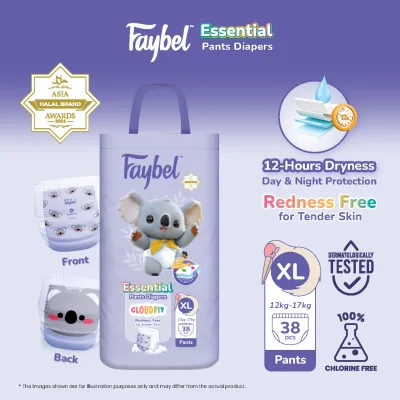
Prices are valid at publication and may change. Please refer to the product page for the latest price.
When purchasing, verify the recommended weight and size range on the manufacturer’s packaging to ensure a secure fit, as improper sizing can lead to leaks, chafing, and skin irritation. Always supervise your baby during diaper changes and inspect plastic snaps and elastics regularly to ensure no small parts have become loose or damaged over time.
To understand what you are putting against your baby’s skin, it helps to break down the diaper into its three primary structural components:
- The Waterproof Outer Shell: This layer prevents moisture from leaking onto clothing. It is typically made from a polyester fabric laminated with a thin plastic film, such as thermoplastic polyurethane (TPU) or polyurethane laminate (PUL).
- The Stay-Dry Inner Lining: This is the fabric layer that rests directly against your baby’s skin. It is designed to wick moisture away quickly to the absorbent core beneath, usually using synthetic fabrics like polyester fleece, microfleece, or athletic wicking jersey.
- The Absorbent Inserts: These booster pads do the heavy lifting of trapping liquid. They are commonly made from natural fibers like bamboo rayon, organic cotton, or hemp, or from synthetic options like microfiber.
Before using any new diaper, thoroughly read the manufacturer’s care and safety instructions. Look for specific material warnings, skin-sensitivity notes, and washing temperature limits. If your baby has sensitive skin or a history of eczema, knowing whether the lining is synthetic or natural will help you identify and eliminate potential triggers early.
Evaluating the Environmental Impact of Diaper Fabrics
To assess the true ecological footprint of your diapers, you must look closely at the lifecycle of each fabric component. Every material choice involves trade-offs in resource consumption, manufacturing chemical usage, and end-of-life disposal.

When comparing absorbent layers, natural fibers generally have a lower carbon footprint and superior biodegradability compared to synthetics. Industrial hemp and organic cotton are highly sustainable crops, requiring minimal synthetic pesticides and significantly less water to cultivate than conventional cotton. Bamboo rayon is often marketed as highly eco-friendly because bamboo grows rapidly without fertilizers; however, transforming rigid bamboo wood into soft fabric typically requires intensive chemical processing, a factor eco-conscious parents should keep in mind.
On the other hand, synthetic absorbent layers like microfiber are made from petroleum-based polyester. While microfiber is inexpensive and fast-drying, its production relies on fossil fuels. Furthermore, washing synthetic inserts releases tiny microplastics into the wastewater system, which can eventually accumulate in marine ecosystems.
The waterproof outer shell presents another environmental consideration. Most modern cloth diapers use either polyurethane laminate (PUL) or thermoplastic polyurethane (TPU). PUL is typically bonded using chemical solvents, whereas TPU is bonded using a heat-lamination process that is generally considered more environmentally friendly because it reduces solvent emissions during manufacturing. Both materials are highly durable, extending the diaper’s lifespan over hundreds of washes, but they are not easily biodegradable.
Dyes and finishes applied to these fabrics also contribute to their environmental impact. Standard textile dyes can release heavy metals and toxic chemicals into local waterways if manufacturing facilities do not use closed-loop water treatment systems. When selecting diapers, look for brands that specify the use of low-impact, non-toxic dyes and avoid chemical water-repellent finishes like PFAS, which persist in the environment indefinitely.
At the end of their usable life, cloth diapers present a mixed picture for disposal. Natural fiber inserts (such as pure organic cotton or hemp) can theoretically be composted under the right conditions, provided they are free from synthetic stitching or elastics. However, the waterproof shells, synthetic linings, plastic snaps, and elastic bands cannot biodegrade and must ultimately be sent to a landfill or specialized textile recycling facility where available.
Verifying Sustainability Claims and Certifications
Navigating the world of eco-friendly baby products requires a critical eye, as greenwashing is common in the consumer goods market. To ensure that environmental and safety claims are legitimate, you should look for independent, third-party certifications rather than relying solely on brand marketing.
The most reliable proof of safety and environmental compliance comes from established global standards. Look for the Oeko-Tex Standard 100 certification, which guarantees that every component of the diaper—including fabrics, threads, snaps, and elastics—has been rigorously tested for harmful levels of toxic substances. For natural fibers, the Global Organic Textile Standard (GOTS) is the gold standard, ensuring that the cotton or hemp was grown organically and processed under strict environmental and social criteria.
To verify these claims, check the official website, product packaging, or user manuals for official certification logos. Legitimate certifications will always include a unique license or certificate number. You can input this number directly into the online databases of Oeko-Tex or GOTS to confirm that the certification is active, valid, and registered specifically to the manufacturer or their direct suppliers.
It is crucial to distinguish between these regulated certification marks and unregulated marketing buzzwords. Terms like “green,” “natural,” “eco-friendly,” or “earth-safe” have no legal definitions in the textile industry. Any brand can use these labels without undergoing independent audits or safety testing, making them unreliable indicators of actual environmental performance.
Beyond the diapers themselves, evaluate the brand’s broader corporate sustainability practices. A truly eco-conscious brand will prioritize plastic-free or FSC-certified cardboard packaging to minimize waste. They may also offer carbon-neutral shipping options or publish detailed, transparent information about their supply chain, factory working conditions, and waste-reduction initiatives.
Eco-Friendly Care Practices to Maximize Lifespan
The environmental impact of a cloth diaper is heavily influenced by how you care for it. By adopting sustainable washing and maintenance routines, you can dramatically extend the lifespan of your diapers, reducing the need for premature replacements and minimizing household resource consumption.
To preserve the integrity of both the absorbent fabrics and the waterproof laminate, wash your diapers using a balanced routine. Use warm water (typically around 40°C to 60°C, depending on the manufacturer’s specific care label) rather than boiling hot water, which can degrade elastics and delaminate the waterproof layer. Choose a thorough wash cycle with an extra rinse to ensure all detergent residue is removed, and strictly avoid fabric softeners, fabric conditioners, or chlorine bleach, as these can coat fibers, reduce absorbency, and damage delicate materials.
Drying practices also play a major role in your carbon footprint. Whenever possible, choose line drying over machine drying. In Singapore’s warm, sunny climate, line drying outdoors is highly effective, allowing the tropical UV rays to naturally sanitize and sun-bleach the diapers. However, during highly humid periods or wet seasons, ensure the diapers are fully dry before storage to prevent mold or mildew growth.
If your baby develops a persistent, unexplained diaper rash that does not clear up with standard care adjustments, temporarily stop using cloth diapers and consult a qualified pediatrician or medical professional.
Regularly inspect your diapers for signs of wear and tear to ensure they are functioning optimally. A quick check-up should look for:
- Delamination: The waterproof shiny film on the inside of the shell peeling, cracking, or separating from the fabric.
- Repelling: Water pooling on the surface of the inner lining instead of soaking through immediately, often caused by fabric softener buildup.
- Degraded Elastics: Leg or waist elastics that have become limp, brittle, or lost their stretch, leading to gaps and leaks.
When your cloth diapers finally reach the end of their functional life as diapers, do not immediately throw them in the trash. Worn-out natural fiber inserts make excellent, highly absorbent household cleaning rags, dusters, or pet training pads. If the waterproof shells are still intact but the elastics have failed, consider donating them to local sewing groups or specialized textile recycling programs that can repair or repurpose the materials.
Frequently Asked Questions (FAQ)
Are Anuko cloth diapers completely biodegradable?
No, modern cloth diapers like those from Anuko are rarely completely biodegradable because they are made from mixed materials. While the natural fiber inserts (like cotton or hemp) can biodegrade over time under proper composting conditions, the waterproof outer shells (PUL/TPU), plastic snaps, polyester sewing threads, and elastic bands are synthetic and will not break down naturally. Always check the specific material breakdown of your diaper model to separate compostable components from landfill-bound synthetics.
How does the water footprint of washing cloth diapers compare to disposables?
While washing cloth diapers at home consumes household water and electricity, the industrial manufacturing process for single-use disposable diapers actually requires significantly more water, land, and raw oil resources overall. To minimize your household water footprint, always wash full loads, use an energy-efficient washing machine, and avoid unnecessary pre-wash cycles unless the diapers are heavily soiled.
Do the waterproof layers contain PFAS or harmful water-repellent chemicals?
Most reputable cloth diaper brands avoid using PFAS (per- and polyfluoroalkyl substances) because their waterproof barriers rely on physical lamination (TPU or PUL) rather than chemical coatings. To verify that your diapers are free from these persistent chemicals, check the manufacturer’s official website for independent safety test results or look for verified Oeko-Tex Standard 100 certifications on the packaging.
Community discussion
Share your experience or ask a question. Comments are reviewed before publication.