
Bath time is a wonderful opportunity for bonding, play, and sensory development, but soapy water running into a baby’s eyes can quickly turn a peaceful routine into a stressful ordeal. A baby shower cap is designed to solve this problem by creating a protective barrier that channels water away from the face. However, if the cap slips down during use, it defeats its purpose, blocks the baby’s vision, and can cause sudden distress. Selecting a cap with the right anti-slip features ensures a secure, comfortable fit that keeps both water and tears at bay.
Quick Answer: Top Anti-Slip Features for Baby Shower Caps
To ensure a baby shower cap remains firmly in place throughout bath time, parents should prioritize specific structural and material designs. The most effective options combine several engineering elements to resist movement on wet skin:
- Adjustable Sizing Straps: Multi-position snap buttons or flexible buckle straps allow the cap to adapt to your baby's exact head circumference as they grow.
- Soft Silicone Inner Rims: High-quality silicone bands provide natural friction against the skin, gripping the forehead securely without leaving red marks.
- Lightweight Materials: Caps made from lightweight materials, such as high-density EVA foam or thin silicone, prevent the brim from sagging under its own weight.
- Ergonomic Sloped Brim: A wide, downward-angled visor directs water away from the face immediately, preventing water from pooling on top and pulling the cap down.
Safety Disclaimer: A baby shower cap is purely an assistive grooming tool and does not replace active caregiver supervision. Never leave your baby unattended in the bath, even for a brief moment, regardless of how secure the shower cap appears to be.
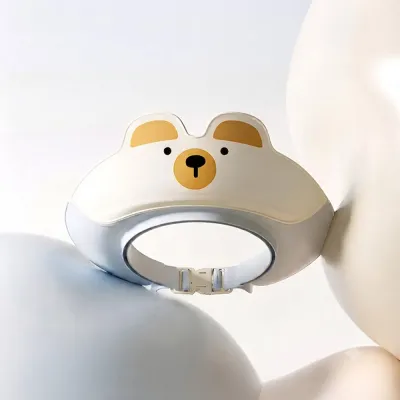
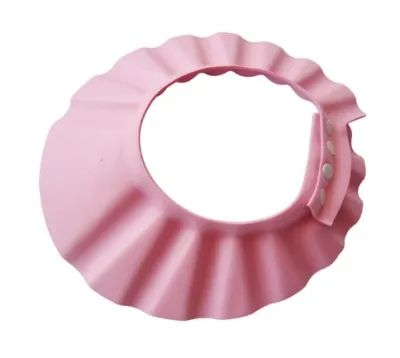
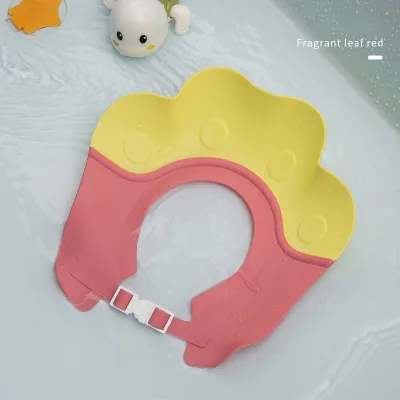
Products mentioned in this guide
![[SG STOCK] Adjustable Baby Shampoo Bath Shower Cap Hat For Babies Kids and Children Wash Hair Shield Face](https://img.lazcdn.com/g/p/e04506701bf872b31da4074345285ca5.jpg_400x400q80.jpg_.webp)
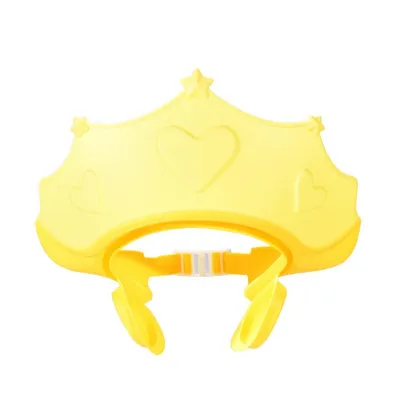

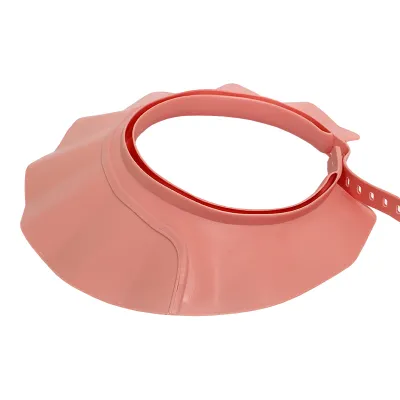
Prices are valid at publication and may change. Please refer to the product page for the latest price.
Essential Anti-Slip and Safety Design Features
Understanding the engineering behind a secure baby shower cap helps parents make an informed choice that balances safety, slip resistance, and comfort during bath time.

Adjustable Sizing Mechanisms
A secure fit begins with proper sizing, as a cap that is too loose will inevitably slide down when wet, while one that is too tight will cause discomfort and head pressure. Adjustable mechanisms allow the cap to grow alongside your child, ensuring a snug fit across different developmental stages.
Snap buttons are a popular option, offering multiple preset intervals that lock securely into place and cannot be easily pulled apart by curious hands. Buckle straps provide a highly customisable, continuous adjustment range, allowing you to fine-tune the tightness to your baby’s unique head shape. Elastic bands offer a self-adjusting alternative, but parents must verify that the elastic is covered in soft fabric or silicone to prevent hair pulling and that it does not exert excessive pressure on the baby’s delicate skull.
Before purchasing, measure your baby’s head circumference just above the ears with a soft tape measure, and cross-reference this measurement with the manufacturer’s sizing specifications to ensure a proper fit.
Inner Rim Materials and Grip
The material that directly contacts your baby’s forehead plays a decisive role in preventing the cap from sliding down once wet or soapy. Standard foam edges can lose their grip when exposed to slippery baby shampoo, often sliding down over the eyes and causing frustration.
In contrast, soft silicone inner rims utilize natural, skin-friendly friction to create a gentle seal against the hairline. This seal not only prevents water from leaking underneath but also keeps the cap anchored in place even when the baby moves their head. When selecting a cap, look for a wide, flat silicone band rather than a thin, round bead, as a wider surface area distributes pressure more evenly and minimizes the risk of leaving temporary red marks on sensitive skin. If your baby shows signs of skin irritation, redness, or discomfort while wearing the cap, stop using it immediately and consult a pediatrician or qualified healthcare professional.
Ergonomic Slope and Water Diversion
The physical shape of the cap’s brim directly influences how it behaves under the weight of running water. A flat, horizontal brim allows water to pool on top, creating a heavy downward force that can overwhelm the cap’s grip and cause it to slide forward.
An ergonomically sloped brim is designed to combat this by angling downwards and outwards, mimicking the shape of a protective visor. This slope uses gravity to quickly channel water away from the face and towards the sides of the head. By facilitating rapid water runoff, the brim remains lightweight and stable throughout the rinse, ensuring that the cap does not sag or shift while you wash your child’s hair.
Comparing Shower Cap Materials for Stability and Comfort
Different materials offer varying levels of stability, weight, and comfort during bath time. Understanding these differences allows you to choose a cap that matches your baby’s temperament and sensory preferences.
| Material Type | Grip Strength | Weight When Wet | Comfort & Flexibility | Water Diversion Efficiency |
|---|---|---|---|---|
| Full Silicone | Excellent | Moderate | High | Excellent |
| EVA Foam with Silicone Rim | Very Good | Very Lightweight | High | Very Good |
| Fabric-Lined Foam | Moderate | Heavy (absorbs water) | Very High | Moderate |
For highly active babies who tend to splash, turn their heads rapidly, or try to pull objects off their heads, a full silicone cap or an EVA foam cap with a silicone inner rim is highly recommended. These options provide the robust grip necessary to withstand movement and splashing. For babies who are highly sensitive to tactile sensations or have very fine hair, an ultra-lightweight EVA foam cap provides a gentler touch while still offering decent water diversion.
In Singapore’s humid tropical climate, materials that dry slowly are highly susceptible to black mold and mildew. Silicone and high-density, closed-cell EVA foam are non-porous and dry much faster, making them more hygienic choices for local households compared to fabric-lined alternatives. When evaluating any of these materials, always check the product packaging and manufacturer specifications to verify that the materials are certified BPA-free, phthalate-free, and non-toxic.
How to Fit and Adjust the Cap to Prevent Slipping
Even the most advanced anti-slip shower cap can slide off if it is not fitted correctly. Following a systematic application routine ensures a secure, leak-free seal every time.
Step 1: Prep the Skin and Hairline Before placing the cap on your baby’s head, gently dry their forehead and hairline with a soft towel. Removing excess water, sweat, or lingering body oils maximizes the natural friction of the silicone rim, creating a more secure initial grip.
Step 2: Position the Front and Back Gently stretch the cap and place the inner rim just above your baby’s eyebrows. The front of the cap should rest flat against the forehead, while the back should angle slightly downward, cradling the base of the skull. This angled positioning mimics how a crown sits and prevents the cap from sliding forward over the eyes.
Step 3: Accommodate the Ears Depending on the specific design of your shower cap, ensure that the side flaps either cover the ears completely to deflect water or sit comfortably just above them. If the cap is designed to cover the ears, verify that it does not press too tightly against the outer ear canal, which can cause discomfort.
Step 4: Apply the Two-Finger Rule Once the cap is fastened, check the tightness by gently sliding two of your fingers under the front band. If your fingers slide in snugly but comfortably, the fit is correct. If the band feels loose or gaps appear, tighten the adjustment mechanism. If it feels excessively tight or leaves immediate deep indentations, loosen it by one setting.
Step 5: Manage Resistance with Distraction It is common for babies to try to pull the cap off when they first experience it. To manage this, introduce engaging bath toys, colorful cups for pouring water, or sing familiar songs to redirect their attention. Over time, as they realize the cap keeps uncomfortable soap out of their eyes, they will become more accustomed to wearing it.
Design Flaws to Avoid When Choosing a Baby Shower Cap
To avoid wasting money on ineffective products, parents should learn to spot common design flaws that compromise both slip resistance and safety.
- Fixed-Size and Non-Adjustable Designs: Avoid caps that rely solely on a fixed, non-adjustable opening. Because babies' heads grow rapidly, a fixed-size cap will quickly become either too tight—causing pain and leaving deep red marks—or too loose, leading to immediate slipping and water leakage.
- Overly Rigid or Heavy Brooms: Caps with thick, heavy plastic brims might seem durable, but they become top-heavy when wet. The added weight of water on a rigid brim easily pulls the cap down, causing it to slip over the baby's nose and eyes.
- Flat Brims Without Water Channels: A completely flat brim lacks the structural design needed to direct water away from the face. Instead of shedding water to the sides, flat brims allow water to pool in the front, eventually cascading straight down over the baby's face when they tilt their head forward.
- Rough Inner Seams and Hard Plastic Edges: Inspect the inner rim of the cap carefully before purchasing. Any rough seams, leftover manufacturing plastic, or sharp edges can scratch your baby's delicate skin. Furthermore, these rigid surfaces fail to conform to the natural curves of the head, creating gaps where water can easily seep through.
Frequently Asked Questions (FAQ)
At what age or head size can a baby start using a shower cap?
A baby’s readiness to use a shower cap depends on their head circumference and physical development rather than a strict age milestone. Most manufacturers design these caps for babies who can sit up steadily with support, which typically occurs around six months of age. Always check the manufacturer’s specified head size range and minimum age recommendations on the product packaging before use to ensure a safe and proper fit.
How do I clean the cap to maintain its anti-slip grip?
To maintain the cap’s anti-slip properties, wash it after every bath using mild baby soap and warm water. This removes accumulated soap scum, baby shampoo residue, and natural skin oils, all of which can make the silicone or foam surfaces slippery over time. After washing, rinse the cap thoroughly and allow it to air-dry completely in a well-ventilated area. In humid climates like Singapore, proper air-drying is essential to prevent mold growth and material degradation. Do not expose the cap to direct sunlight or high heat, as this can warp the materials and compromise the fit.
Does a shower cap prevent water from entering the baby's ears?
While a properly fitted baby shower cap is excellent at diverting water away from the face and forehead, it does not create a completely waterproof, pressurized seal around the ears. If your baby is highly sensitive to water in their ears or is prone to ear infections, do not rely solely on a shower cap. Consider using dedicated, pediatrician-approved baby earplugs or ear bands. Always remember to gently dry your baby’s outer ears with a clean towel immediately after their bath.
Community discussion
Share your experience or ask a question. Comments are reviewed before publication.