
When preparing for a new baby in Singapore, navigating the landscape of product safety certifications can feel overwhelming. If you are considering the Angelcare bath support, you might wonder whether it carries a Health Sciences Authority (HSA) certification. The short answer is no: the Angelcare bath support is not HSA certified, nor is it required to be. In Singapore, the HSA does not regulate general baby nursery items or bath accessories. Instead, these products fall under the purview of other consumer safety frameworks. Understanding how these regulatory bodies operate will help you make an informed, safe choice for your baby’s bath time.
Clarifying HSA's Role and Baby Product Regulations in Singapore
To understand why baby bath supports do not carry HSA certification, it is helpful to look at what the Health Sciences Authority actually regulates. The HSA is a statutory board under the Ministry of Health in Singapore. Its primary mandate is to secure the national clinical and scientific expertise to regulate health products. This includes western medicines, traditional Chinese medicine, health supplements, cosmetics, and medical devices. Because a baby bath support is a general consumer utility product rather than a medical device or a therapeutic product, it does not fall under the HSA’s regulatory scope.
Instead, general consumer goods in Singapore are overseen by the Consumer Product Safety Office (CPSG), which is safeguarded by Enterprise Singapore. The CPSG ensures that consumer products sold in the local market meet stringent safety requirements. While certain categories of household appliances and children’s toys require specific safety marks or registration, many general baby accessories are regulated through post-market surveillance and alignment with international safety standards.
Products mentioned in this guide
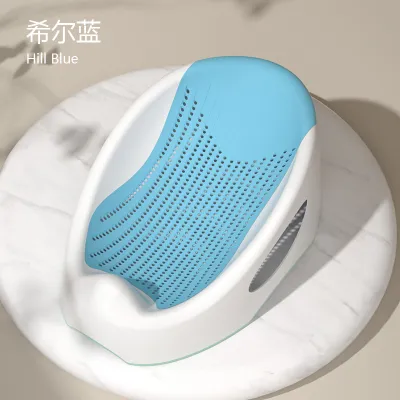
Prices are valid at publication and may change. Please refer to the product page for the latest price.
When evaluating a baby bath support, parents should look for compliance with recognized international safety standards rather than an HSA mark. Manufacturers of reputable baby products design their items to meet rigorous testing protocols established by global bodies. These standards govern structural stability, material toxicity, and mechanical safety, ensuring the product is fit for its intended use.
In Singapore, the CPSG monitors the market for unsafe consumer goods and has the authority to issue recall notices or stop sales of products that pose a hazard. Therefore, while there is no local “HSA approved” stamp for bath supports, buying from reputable, authorized local retailers ensures that the products comply with the Consumer Protection (Safety Requirements) Regulations. This framework provides peace of mind for parents looking to secure safe equipment for their infants.
How to Verify Safety Standards for the Angelcare Bath Support
Since local registration databases like the HSA medical device register will not list bath supports, caregivers must know how to verify a product’s safety credentials independently. The first step is to inspect the physical packaging and the product itself for recognized international safety markings. Look for designations such as ASTM (American Society for Testing and Materials) or EN (European Standards). For baby bath products, standards like ASTM F2670 or European standard EN 17022 indicate that the design has undergone rigorous testing for stability, retention, and material safety.

Next, consult the official documentation provided by the manufacturer or authorized distributors in Singapore. Reputable brands publish detailed product specifications, including material safety data sheets or compliance declarations. Verify that the materials used are free from harmful substances such as Bisphenol A (BPA), phthalates, and heavy metals. This is particularly important for bath products, as warm water can accelerate the leaching of chemicals from low-grade plastics.
Additionally, pay close attention to the age, weight, and developmental specifications listed on the packaging. A bath support is only safe when used within the exact parameters defined by the manufacturer. If a product listing or packaging lacks clear weight limits or fails to reference any international safety standards, it is best to seek an alternative that provides transparent, verifiable safety data.
Finally, read the warning labels printed directly on the product. High-quality bath supports feature permanent, highly visible warning labels that alert users to drowning hazards and the necessity of constant supervision. These labels are often required by international safety standards and serve as a hallmark of a genuinely compliant product.
Essential Safety Checks and Setup for Bath Time
Even the most highly certified bath support cannot replace safe usage practices. Before every bath, caregivers must perform a series of physical checks to ensure the bathing environment is secure. Start by placing the bath support on a completely flat, level, and stable surface. If you are placing the support inside an infant tub or a larger household tub, verify that the base of the support does not wobble or slide. The non-slip suction cups or rubberized feet must make firm, uninterrupted contact with the surface beneath them.
Water preparation is another critical step in the safety routine. Always fill the tub with water before placing your baby into the bath support, and ensure the water level does not exceed the maximum fill line indicated by the manufacturer. Use a reliable bath thermometer to verify that the water temperature is safe and comfortable, typically around 37°C to 38°C. Always test the water with the inside of your wrist or elbow as an extra precaution before placing your baby in the water.
The most crucial rule of baby bath safety is the absolute necessity of constant adult supervision. A bath support is a convenience tool designed to assist you, not a safety device that prevents drowning. Never leave your baby unattended in the bath for even a fraction of a second, regardless of how secure the support seems. Keep all bathing supplies, such as towels, baby wash, and rinsing cups, within arm’s reach before you begin, so you never have to step away. Maintain physical contact or keep at least one hand on your baby throughout the entire bath.
Additionally, ensure the bathroom environment is free from other hazards. Keep electrical appliances far away from the water source, and ensure the floor outside the tub is dry to prevent slips when you lift your baby out. Having a dry, warm towel ready immediately next to the tub minimizes the time your baby is exposed to cooler air after the bath.
When to Stop Using the Bath Support
As babies grow and develop, their physical capabilities change rapidly, meaning a bath support that was safe during the newborn stage may quickly become hazardous. Caregivers must monitor both physical measurements and developmental milestones to determine when to transition away from the bath support. The manufacturer’s specified maximum weight limit is a strict threshold. Once your baby approaches or reaches this weight, the structural integrity and buoyancy of the support can no longer be guaranteed, and you must discontinue use immediately.
Developmental milestones are often more critical than age or weight limits. The moment your baby begins to show signs of rolling over, pushing up on their hands and knees, or attempting to sit up independently, the bath support is no longer safe. A baby who can sit up or roll can easily tip the support over or climb out of the secure seating area, leading to a high risk of submersion or physical injury.
Regularly inspect the physical condition of the bath support before each use. Check the mesh or plastic seating area for any signs of tearing, stretching, or structural weakening. Examine the frame for hairline cracks and ensure the non-slip rubber feet or suction cups remain pliable and securely attached. If you notice any wear, mold that cannot be cleaned, or structural degradation, discard the product immediately and transition to a bathing method suited for the next stage of your child’s development.
Once your baby outgrows the bath support, transition them to a standard baby bath tub where they can sit unsupported, or use a non-slip bath mat in an adult tub under close supervision. This transition ensures that your child remains safe as they explore their growing mobility during bath time.
Frequently Asked Questions (FAQ)
Can I use the Angelcare bath support in a standard adult bathtub?
Yes, you can generally use the Angelcare bath support in a standard adult bathtub, provided the tub has a flat, smooth surface. Before doing so, check the manufacturer’s specific dimensions to ensure the support fits comfortably within your tub’s basin. The non-slip rubber feet or suction cups must be able to make full, secure contact with the bottom of the tub. If your adult bathtub has a textured, slip-resistant surface, the suction cups may not adhere properly, which can cause the support to slide or tip. Always test the stability of the support in your empty tub before adding water or placing your baby inside.
Is the mesh material on the bath support mold-resistant?
The mesh material used in high-quality bath supports is typically designed to drain water quickly and resist mold growth, but it is not entirely immune to mildew if cared for improperly. To maintain hygiene and prevent mold buildup, always consult the specific cleaning instructions provided by the manufacturer. After every bath, rinse the support thoroughly with clean water to remove any soap residue or body oils. Shake off excess water and hang the unit to dry in a well-ventilated area. Avoid leaving the support sitting in a damp, closed bathroom, as stagnant moisture is the primary cause of mold and mildew development.
Community discussion
Share your experience or ask a question. Comments are reviewed before publication.