
Deciding how to prepare your baby’s first solid meals is a milestone that involves balancing nutrition, convenience, and kitchen logistics. When comparing an all-in-one steam blender to a separate steamer and blender setup, there is no single option that suits every household. The ideal setup depends on your daily schedule, the physical space available in your kitchen, and your preferred cooking style.
To help guide your decision, consider this straightforward framework:
- Choose an All-in-One Steam Blender if: You have limited kitchen countertop space, value one-button convenience, want to minimize the number of dishes to wash, and plan to prepare small, fresh portions of food daily or every other day.
- Choose a Separate Steamer and Blender if: You already own high-quality kitchen appliances, prefer to batch-cook and freeze large quantities of baby food at once, require precise control over different food textures, or want versatile appliances that will transition to general family meals long after the weaning phase.
- Verify first if: You are concerned about the maximum capacity limits of specific all-in-one models or if you need to assess the cross-contamination risks of using your existing household blender for infant meals.
Daily Workflow: Convenience, Texture, and Cleanup
Understanding how each setup fits into your daily routine is essential for long-term satisfaction. Preparing baby food is not a one-time task; it is a repetitive process that you will perform multiple times a week, if not daily, for several months. The physical workflow—from raw ingredients to a finished meal—differs significantly between a unified machine and a multi-appliance system, impacting your time, energy, and kitchen organization.
Products mentioned in this guide
![[NEWLY UPGRADED] TOYOMI NourishMix All-In-One Baby Food Maker BBF 7003](https://img.lazcdn.com/g/p/71065d29f0e3e108344a7919d97f50dc.png_400x400q80.png_.webp)
![[SAFETY MARK] Einmilk Baby Food Maker 4-in-1 Multifunctional Baby Food Maker Blends Steam Warm Defrost Food](https://img.lazcdn.com/g/p/6394940590e82cbbbf2670f44b4f221c.jpg_400x400q80.jpg_.webp)
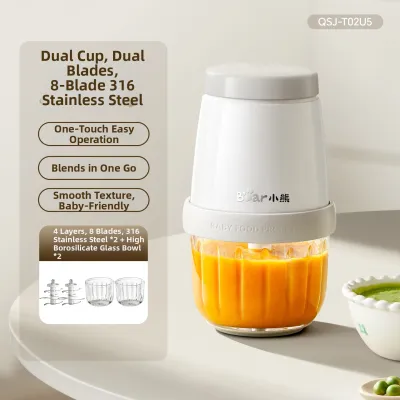
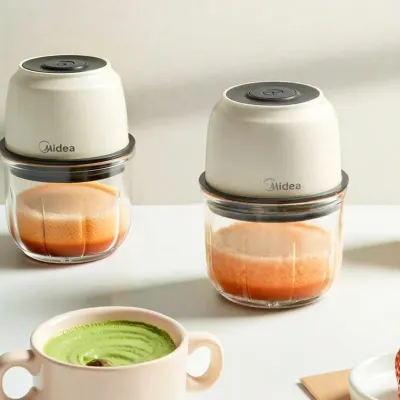
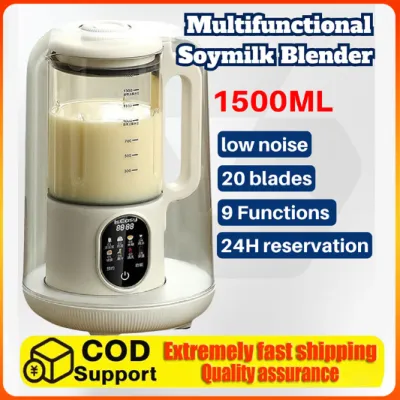
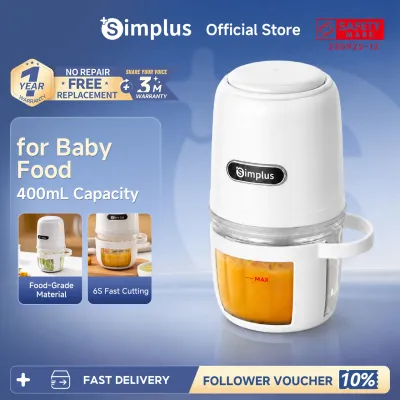
![SG🔥 [READY STOCK] Grinder Blender Portable blender Baby food blender Garlic chopper Food chopper](https://img.lazcdn.com/g/p/d3fc10e77169961cff6c979118330b42.jpg_400x400q80.jpg_.webp)
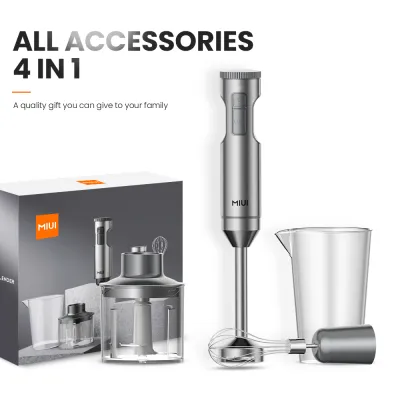
Prices are valid at publication and may change. Please refer to the product page for the latest price.
Convenience and Time Efficiency
The primary appeal of an all-in-one steam blender is its unified, “set and forget” operation. With this appliance, you place chopped, raw ingredients into the single jug, fill the integrated water reservoir, select the steaming duration, and initiate the cycle. Many modern models automatically transition from steaming to blending, or allow you to blend with the push of a single button without transferring the food. This eliminates the need to monitor a boiling pot or hot steamer basket, allowing you to attend to your baby or manage other household tasks while the machine prepares the meal.
In contrast, using a separate steamer and blender requires active monitoring and manual intervention at several stages. You must first set up your steaming apparatus—whether that is a stovetop steamer basket, an electric food steamer, or a microwave steaming dish—and keep track of the cooking time to ensure the food reaches the correct tenderness. Once the ingredients are thoroughly cooked, you must carefully transfer the hot, soft food into a separate blender jug or food processor container. This transfer step introduces extra physical steps and increases the risk of accidental spills, steam burns, or losing nutrient-rich cooking liquids that could otherwise be incorporated back into the puree to adjust its consistency.
For busy caregivers, the hands-on time saved by an all-in-one machine can be a significant daily benefit. However, if you prefer to cook in large quantities, the time spent operating multiple cycles on a smaller all-in-one machine may eventually outweigh the convenience of its automated process. Evaluating how much active kitchen time you can realistically dedicate to meal preparation each day will help you determine which workflow aligns better with your lifestyle.
Texture Control and Batch Sizes
Your baby’s developmental stage dictates the texture of their food, which progresses rapidly from silky-smooth purees at around six months to thicker, textured mashes, and eventually soft chunks. A high-quality, separate standard blender—especially a high-speed or professional-grade model—typically features a more powerful motor and robust blade assembly than a dedicated baby food maker. This power allows you to achieve an ultra-fine, consistent puree, even when processing tough, fibrous, or leafy ingredients like celery, spinach, or kale, which can sometimes leave stringy residues in less powerful machines.
Furthermore, separate blenders excel at handling large volumes of food. If your strategy is to spend one afternoon preparing a massive batch of sweet potato, broccoli, and chicken purees to freeze in silicone trays for the month, a standard kitchen blender is highly efficient. It can process large quantities in a single cycle, saving you from repeating the process multiple times. You should check the manufacturer specifications of any appliance you consider to verify its maximum capacity limits, as overloading a small blender can strain the motor and lead to uneven textures.
All-in-one baby food makers, on the other hand, are specifically engineered and optimized for small, single-meal or single-day batches. Their smaller jugs and specialized blade configurations are highly effective at blending tiny portions—such as a single apple or a small handful of carrots—which would simply get lost under the blades of a large, full-sized household blender. However, this small capacity means that if you attempt to batch-cook for freezing, you will need to run multiple consecutive steaming and blending cycles, which can be time-consuming and may cause the compact motor to overheat if not allowed to cool down between uses.
Cleaning and Maintenance
The cleanup process is often the deciding factor for many tired parents. An all-in-one steam blender minimizes immediate post-cooking cleanup because the entire process takes place within a single jug. You only have one container, one blade assembly, and one lid to wash after each use. Many of these specialized appliances also feature a quick self-rinse or pulse-clean setting, allowing you to clean the jug rapidly with warm water and a drop of dish soap immediately after preparation.
Using separate appliances inevitably results in more items in your sink or dishwasher. You will need to clean the steaming pot or basket, the blender jug, its lid, the spatula or tongs used to transfer the hot food, and any cutting boards. While many modern blender jugs are dishwasher-safe, they still occupy a substantial amount of space on your drying rack or inside the dishwasher cabinet.
However, all-in-one machines come with a unique maintenance requirement that separate blenders do not: water tank care. Because these machines generate steam, they feature an internal water reservoir that must be regularly descaled to prevent mineral and limescale buildup, particularly if you live in an area with hard tap water. Left unmaintained, this buildup can affect steam efficiency and harbor mold or bacteria. Caregivers must follow the manufacturer’s specific care instructions, which typically involve running a descaling cycle with a food-safe citric acid or vinegar solution and ensuring the water tank is left completely open to dry after every single use to maintain hygiene.
Kitchen Space, Budget, and Long-Term Value
When planning your kitchen setup, physical space and financial investment are major practical constraints, particularly in urban living environments like Singapore, where condominium and HDB flat kitchens often feature limited countertop and storage space. Introducing a new, single-purpose appliance requires careful consideration of where it will sit during daily use and where it will be stored once your child transitions to family meals.

An all-in-one steam blender occupies a relatively small physical footprint, making it an excellent space-saving solution for crowded countertops. It replaces the need to have both a steamer and a blender sitting out simultaneously. However, its specialized nature means it has a relatively short functional lifespan. Most families use a dedicated baby food maker intensively for only about 12 to 18 months. Once your child is capable of eating modified versions of adult meals, the baby food maker is often relegated to storage or sold secondhand, as its small capacity and specialized design make it impractical for preparing standard family-sized portions.
From a budget perspective, dedicated all-in-one baby food makers represent a specific upfront investment. Depending on the brand, features, and materials used, these appliances generally fall into broad price bands ranging from approximately S$100 for basic manual models to over S$300 for premium, digital, multi-functional units. If you do not already own a reliable blender or steaming equipment, this investment can be highly cost-effective, providing you with a complete, specialized system immediately.
Conversely, utilizing existing kitchen appliances or investing in standard, mid-range household equipment offers superior long-term value. A high-quality standard blender and a simple stainless steel stovetop steamer basket can be purchased within a similar or lower price range, yet they offer infinite versatility. These standard appliances do not become obsolete when your baby outgrows purees; they remain active workhorses in your kitchen for years, helping you prepare smoothies, soups, sauces, and steamed dishes for the entire family. Before making a purchase, it is highly recommended to check current product listings, warranty coverages, and local after-sales support options on reputable online marketplaces or official brand stores to ensure you are getting the best value for your budget.
Safety, Hygiene, and Material Checks
Preparing meals for a vulnerable infant requires strict adherence to hygiene and material safety standards. Because baby food is often warm when processed, the materials that come into contact with the food must be thoroughly vetted. Caregivers should verify that all plastic components of any appliance used—whether an all-in-one unit or a standard blender—are explicitly labeled as BPA-free, BPS-free, and constructed from food-grade silicone, high-quality glass, or durable tritan copolyester. Do not assume material safety based solely on a brand name, premium price, or general marketing terms; always check the physical product packaging, user manual, or official manufacturer specifications sheet.
If you choose to use a separate, shared household blender, cross-contamination is a critical safety hazard that must be actively managed. Standard family blenders are frequently used to process raw meats, crush ice, grind strong spices like garlic and chili, or blend common allergens such as peanuts and tree nuts. Even after standard dishwashing, microscopic food residues, pungent oils, or allergen proteins can remain trapped under the blade assembly or within the rubber gaskets of the blender jug. To protect your baby’s sensitive digestive system and minimize the risk of foodborne illness or unexpected allergic reactions, consider dedicating a specific, separate blender jug solely for baby food preparation, or ensure the entire blade mechanism is completely disassembled and sanitized before each baby food run.
Hygiene maintenance is equally critical for all-in-one steam blenders, particularly regarding their internal heating elements and steam pathways. Because these units combine water reservoirs with food processing chambers, any residual moisture left inside the tank or steam vents can quickly become a breeding ground for mold and bacteria. Caregivers must visually inspect the water tank regularly, use distilled or pre-boiled water to minimize mineral deposits, and allow all parts to air-dry completely in a well-ventilated space. Furthermore, always check the temperature of any prepared food on the inside of your wrist before feeding it to your child to prevent accidental burns, and consult your pediatrician or local health authorities to ensure the ingredients and textures you prepare are safe and appropriate for your baby’s specific age and developmental stage.
Final Verdict: Matching the Setup to Your Routine
Ultimately, the choice between an all-in-one steam blender and a separate steamer and blender setup comes down to a realistic assessment of your daily household dynamics, kitchen space, and cooking preferences. There is no single “correct” method, as both approaches are fully capable of producing nutritious, wholesome meals that support your baby’s growth and development.
An all-in-one steam blender is the ideal match for parents who prioritize streamlined convenience, have limited kitchen space, and prefer a rapid, low-cleanup routine for preparing fresh, daily meals. If your budget permits a dedicated, shorter-term appliance that simplifies the weaning process into a single-button task, this specialized machine offers excellent daily utility.
On the other hand, a separate steamer and blender setup is the superior choice for budget-conscious families, those who already own high-quality kitchen appliances, and caregivers who prefer to batch-cook large quantities of food to freeze for future use. This setup provides maximum versatility, allowing the appliances to grow with your family’s culinary needs long after the baby food phase has passed. Before purchasing any new equipment, take a close look at your current kitchen inventory, evaluate how much storage space you have available, and select the setup that seamlessly integrates into your existing household routine.
Frequently Asked Questions (FAQ)
Can I use a regular adult blender for baby food?
Yes, you can absolutely use a standard adult blender to prepare baby food, provided you take strict precautions regarding hygiene and cross-contamination. Ensure that the blender jug, blades, and lid gaskets are thoroughly washed, sanitized, and free from any residual oils, spices, or potential allergens from previous adult meals. Keep in mind that many full-sized household blenders require a minimum volume of liquid and food to blend effectively; preparing very small, single-portion meals may cause the food to splat against the sides of the large jug without reaching a smooth consistency, making batch-cooking a more practical approach for this setup.
Do I really need to steam vegetables for my baby?
While steaming is highly recommended because it preserves water-soluble vitamins and nutrients better than boiling—where nutrients can leach into the cooking water—it is not the only acceptable method. Boiling, roasting, baking, or microwaving are all perfectly viable options for preparing baby food, provided the ingredients are cooked until they are completely soft and easily mashable. Whichever cooking method you choose, always prioritize food safety, ensure the final texture is appropriate for your baby’s current developmental stage, and consult your pediatrician or local pediatric health guidelines for safe food preparation practices.
Community discussion
Share your experience or ask a question. Comments are reviewed before publication.