
Finding the right diaper in Singapore’s warm, humid climate is a balancing act between skin health, leak prevention, and value. While many parents look to specialized options like Air Plus diapers for their emphasis on ventilation and lightweight design, comparing them against other popular brands requires looking past marketing claims to examine physical construction and real-world performance. The ideal diaper for your baby depends heavily on their unique body shape, skin sensitivity, and wetting patterns, meaning no single brand is a universal winner. By understanding how to evaluate structural features, material breathability, and absorbency distribution, you can make an informed choice that keeps your baby comfortable and dry.
Core Criteria for Comparing Air Plus and Other Diapers
When evaluating Air Plus against other leading diaper brands in Singapore, parents must establish objective criteria rather than relying on brand popularity. The primary decision factors that directly impact your baby’s daily comfort include breathability, absorbency capacity, structural fit, and skin sensitivity compatibility. Breathability is particularly crucial in Singapore’s tropical environment, where trapped heat and moisture can quickly lead to skin irritation. Absorbency capacity determines how long the diaper can safely retain liquid without rewetting the baby’s skin, while structural fit ensures the diaper conforms to your baby’s movements without causing friction or leaks.
To make an accurate comparison, you should carefully read the manufacturer labels on diaper packaging. Look for specific details regarding material composition, such as the presence of elemental chlorine-free wood pulp or breathable non-woven fabrics. Many modern diapers feature wetness indicators—color-changing strips that help you monitor when a change is needed—and highlight dermatological testing claims. However, because terms like “hypoallergenic” or “dermatologically tested” are not globally standardized, these claims should be treated as indicators of intent rather than absolute guarantees of safety.
Products mentioned in this guide
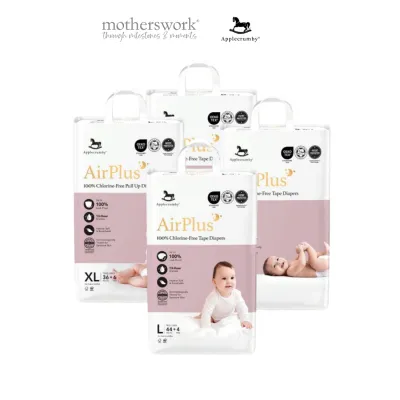
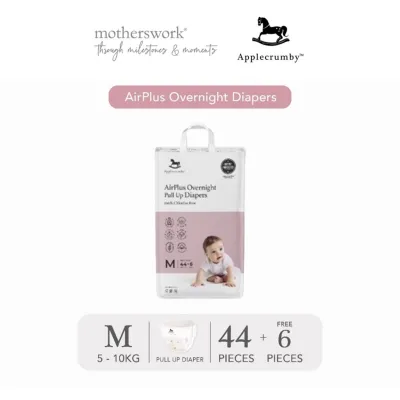
Prices are valid at publication and may change. Please refer to the product page for the latest price.
Ultimately, the most reliable way to compare Air Plus with other brands is to combine observable packaging specifications with your baby’s real-world physical reactions. Pay close attention to how the materials feel to the touch, the thickness of the absorbent core, and how your baby’s skin looks during diaper changes. A diaper that works exceptionally well for one infant might cause leaks or redness on another due to differences in body shape, activity levels, and skin sensitivity.
Checking Breathability and Skin Comfort Features
To verify the breathability claims of Air Plus and competing brands, you can perform a physical inspection of the diaper’s materials. Examine the outer cover, often referred to as the backsheet, and the inner lining that makes direct contact with your baby’s skin. High-quality breathable diapers typically feature visible micro-pores or a textured, cloth-like film designed to let air circulate while keeping moisture contained. Run your fingers over these surfaces to assess their softness; rougher textures can cause friction against delicate skin, especially around the thighs and waist.

In Singapore’s humid climate, monitoring your baby’s skin is the most practical way to evaluate a diaper’s airflow performance. Check the diaper area regularly for signs of redness, dampness, or heat rash, particularly in the skin folds. If the skin feels unusually warm or clammy immediately after removing a diaper, it suggests that the material is trapping heat and humidity. A highly breathable diaper should leave the skin feeling relatively dry and cool, even after several hours of wear.
For babies with highly sensitive skin, checking the ingredient list and looking for fragrance-free certifications on the packaging is essential. Many brands add mild scents or lotions to mask odors, but these additives can trigger allergic contact dermatitis in sensitive infants. Look for products that explicitly state they are free from fragrances, parabens, and latex. If your baby experiences persistent skin irritation, redness, or a stubborn diaper rash that does not improve with regular changes and barrier creams, stop using the current brand immediately and consult a pediatrician.
Testing Fit, Absorbency, and Leak Protection
A diaper’s ability to prevent leaks relies heavily on its structural design and how well it conforms to your baby’s body. When testing a new brand like Air Plus, start by checking the elasticity of the waistband and the leg cuffs. The elastic bands should be flexible enough to stretch comfortably as your baby moves, crawls, or sits, yet snug enough to create a secure seal. After your baby has worn the diaper for a few hours, inspect their skin for deep red marks or indentations; if you notice deep impressions, the diaper may be too tight, or the elastic may be too stiff.
Evaluating the absorbent core’s performance involves observing how it behaves after your baby urinates. Modern disposable diapers use a mix of fluff pulp and superabsorbent polymer (SAP) particles to lock away liquid. After use, feel the outside of the diaper to see if the liquid is distributed evenly or if it clumps into a heavy, sagging mass in one spot. A well-designed core distributes wetness evenly across the diaper, preventing sagging that can pull the waistband down and cause gaps.
Proper application is also key to maximizing leak protection. When securing tape diapers, use the symmetrical alignment markers on the front waistband to ensure the diaper is centered. For pant-style diapers, make sure the waistband is pulled up fully and the inner leg guards are flared outward rather than tucked inward. If your baby is a heavy wetter or an active toddler who constantly climbs and runs, they may require a diaper with reinforced double leg cuffs or a wider absorbent zone. If leaks persist despite correct sizing and application, it is often a sign that you need to switch to a brand with a different structural shape or a higher-capacity core.
Navigating Sizing, Availability, and Value in Singapore
One of the most common mistakes parents make when comparing diaper brands is assuming that sizing is uniform across all manufacturers. A size “Medium” in Air Plus may have completely different weight ranges and physical dimensions than a “Medium” in another popular brand. Always refer to the manufacturer’s specific weight chart printed on the packaging. If your baby is approaching the upper limit of a size range, or if they have chubby thighs or a round tummy, transitioning to the next size up can often resolve persistent leak issues and improve overall comfort.
When purchasing diapers in Singapore, verifying the authenticity of the product is crucial for safety and performance. Buy your diapers from authorized sellers on reputable e-commerce platforms, or purchase them directly from local supermarkets and pharmacies. Parallel-imported diapers or those sold by unauthorized third-party merchants may have been stored in poor conditions, such as high-humidity warehouses, which can degrade the superabsorbent polymers and compromise the adhesive tapes before you even open the pack.
To evaluate the true value of Air Plus compared to other options, calculate the cost per individual diaper rather than comparing pack prices directly. You can find this by dividing the total price of the pack by the number of diapers inside. Keep in mind that larger pack sizes, bulk bundles, and subscription promotions often offer a lower cost per unit. However, avoid stockpiling large quantities of a new brand or size before you have thoroughly tested its fit, absorbency, and skin compatibility on your baby. Babies grow rapidly, and their skin needs can change, leaving you with unused packs if you buy too far in advance.
Decision Framework: Choosing the Right Diaper for Your Baby
To help you decide between Air Plus and other popular diaper brands, consider a conditional approach based on your baby’s specific needs and your daily routine. Air Plus or similar highly breathable, lightweight brands are excellent choices if your baby is prone to heat rash, requires maximum ventilation during outdoor play in Singapore’s humid weather, and the diaper’s physical shape fits securely without gaps. These diapers prioritize airflow, making them ideal for daytime wear when changes are frequent and active movement is at its peak.
Conversely, you may want to opt for alternative high-absorbency or overnight-specific diaper brands if your baby is a heavy wetter, sleeps through the night without a change, or frequently experiences side leaks with thinner diapers. Overnight diapers often feature a thicker absorbent core and reinforced barriers designed to hold a larger volume of liquid over an extended period. Using a highly breathable diaper during the day and a high-capacity diaper at night is a practical strategy that many parents find successful.
If your baby shows signs of allergic reactions, persistent rashes, or severe skin chafing, neither brand may be suitable in its current form. In such cases, stop using the diapers immediately, switch to a plain, fragrance-free alternative, and consult a healthcare professional for guidance. Additionally, remember to verify the fit and absorbency characteristics when transitioning between tape and pant styles within the same brand. Pant-style diapers often have different elastic tensions around the waist and hips compared to tape diapers, which can affect how the diaper sits and absorbs liquid.
Frequently Asked Questions (FAQ)
How often should I change my baby's diaper to prevent rashes?
As a general rule, you should change your baby’s diaper every 2 to 3 hours during the day, or immediately after they have a bowel movement. Even if you are using a highly absorbent diaper that feels dry to the touch, regular changes are essential to maintain optimal skin health. Trapped moisture, urine, and stool can break down the skin’s natural barrier, leading to ammonia buildup and painful diaper rash. Frequent changes ensure that your baby’s skin remains clean, dry, and protected from prolonged exposure to irritants.
Can I mix different diaper brands for day and night use?
Yes, mixing different diaper brands for daytime and nighttime use is a highly effective way to optimize both comfort and performance. Many parents choose to use lightweight, highly breathable diapers like Air Plus during the day to keep their baby cool and comfortable during active play. At night, they switch to a thicker, high-absorbency diaper designed specifically for overnight protection to prevent leaks and ensure uninterrupted sleep. When adopting this approach, monitor your baby’s skin regularly to ensure they do not experience irritation from switching between different materials and fits.
Community discussion
Share your experience or ask a question. Comments are reviewed before publication.