
Choosing the right snacks for your child in Singapore involves balancing their rapidly changing developmental needs with the abundance of options found on supermarket shelves. Rather than searching for a single universal product, the most effective approach is to evaluate snacks based on your child’s specific age group, physical coordination, and daily nutritional requirements. By focusing on nutrient density, checking ingredient lists for hidden additives, and matching textures to developmental milestones, you can select snacks that support growth and establish positive eating habits for the long term.
Understanding Nutritional Needs by Developmental Stage
Children’s nutritional needs change rapidly as they grow from infancy through toddlerhood and into their school-age years. Infants have tiny stomachs but high energy requirements relative to their body weight, meaning their snacks must be highly nutrient-dense, focusing on key developmental building blocks rather than empty calories. As children transition into toddlerhood and preschool years, their physical activity increases, yet their stomach capacity remains relatively small.
This physical limitation means young children cannot always consume enough food during three main meals to sustain their energy throughout the day. Consequently, snacks should not be viewed as occasional treats or indulgent extras. Instead, they serve as essential nutritional bridges designed to maintain stable blood sugar levels, support cognitive focus, and provide a steady supply of vitamins and minerals between breakfast, lunch, and dinner.
Products mentioned in this guide
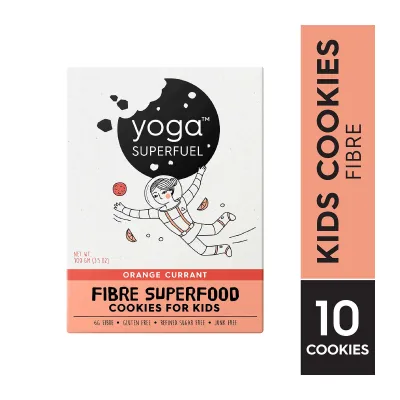
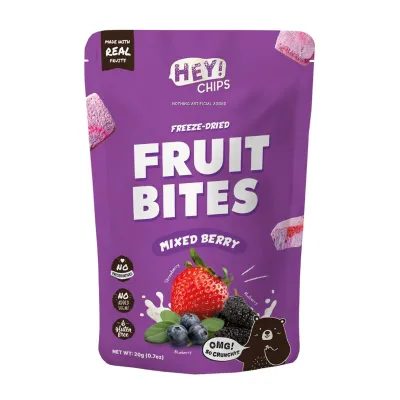
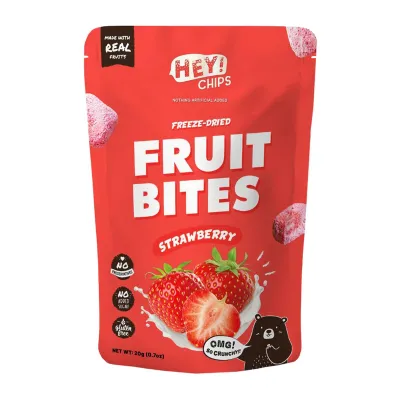
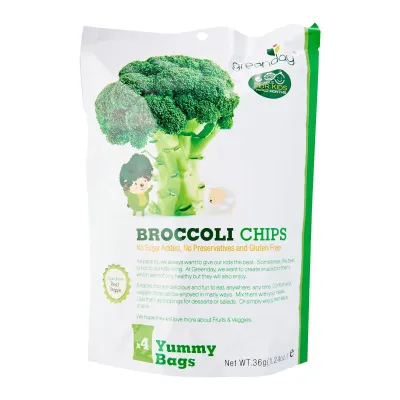
Prices are valid at publication and may change. Please refer to the product page for the latest price.
For older, school-age children, snacks continue to play a vital role in fueling physical activities, extracurricular sports, and intense periods of learning. However, the focus shifts slightly toward balancing energy intake with energy expenditure, ensuring that snacks do not inadvertently displace appetite for main meals. Establishing healthy eating patterns during these early years sets the foundation for a lifetime of wellness.
It is crucial to present snacks as a normal part of the daily nourishment routine rather than using them as rewards for good behavior, academic achievements, or finishing a meal. Using food as a reward can distort a child’s relationship with food, leading them to value sweet or processed snacks over nutritious meals. By offering balanced snacks at predictable times, you help your child develop a healthy, intuitive relationship with eating.
Key Criteria for Evaluating Kids Snacks
Navigating the snack aisle requires a critical eye, as packaging designs often feature bright colors and appealing cartoon characters that distract from the actual nutritional content. The most reliable way to evaluate any commercial snack is to turn the package over and examine the nutrition information panel and the ingredient list. When reviewing the nutrition information panel, pay close attention to the serving size, which may be significantly smaller than the entire package.

Evaluate the amount of added sugars, sodium, and saturated fats per serving, aiming for options that keep these values as low as possible to protect developing cardiovascular systems and dental health. Added sugars often hide under various names on the ingredient list, such as cane syrup, brown rice syrup, fruit juice concentrate, maltodextrin, or dextrose. Ingredients are listed in descending order by weight, so if any form of sugar appears near the top of the list, the product is likely more of a dessert than a nourishing snack.
Marketing claims on the front of the box, such as “made with real fruit,” “source of vitamins,” or “all-natural,” can be highly misleading. A snack that claims to be made with real fruit may actually consist primarily of fruit juice concentrate, which lacks the beneficial fiber of whole fruit and behaves similarly to added sugar in the body. Always verify these claims by checking the actual fiber and sugar content on the nutrition label.
For families managing food sensitivities, checking for common allergens is a mandatory safety step. Look for clear declarations of major allergens such as milk, eggs, peanuts, tree nuts, soy, wheat, fish, and shellfish, as well as precautionary statements regarding shared manufacturing equipment or facilities. In Singapore, food labeling regulations require clear identification of these allergens, but parents must remain vigilant and read the packaging of every new batch, as formulations and manufacturing processes can change without warning.
Age-Specific Snack Selection Guide
Infants and Toddlers (6 Months to 3 Years)
During the first few years of life, safety and physical development are the primary considerations when introducing snacks. Infants starting solids around six months of age and toddlers up to three years are still developing their chewing and swallowing coordination, making them highly vulnerable to choking. To minimize choking risks, snacks must have soft, easily dissolvable, or mashable textures that do not require mature chewing teeth.
Avoid hard, round, or sticky foods such as whole nuts, whole grapes, raw carrots, hard candies, and large chunks of sticky dried fruit. Always ensure active caregiver supervision during every snack time, ensuring the child is sitting upright and focused on eating. Nutritional priorities for this rapid growth phase center on key minerals, particularly iron and calcium.
Iron is critical for brain development and preventing anemia, while calcium supports the rapid formation of strong bones and teeth. This makes iron-fortified cereals, pureed meats, and plain dairy or fortified plant-based yogurts excellent choices. For infants under twelve months, it is essential to strictly avoid any added sugars or salt in their diet to prevent overloading their immature kidneys and to avoid shaping a lifelong preference for overly sweet or salty foods.
Additionally, honey must never be given to infants under one year of age due to the risk of infant botulism. This is a rare but serious illness caused by bacterial spores that can sometimes be present in honey, which an infant’s immature digestive system cannot safely handle. Focus instead on simple, single-ingredient whole foods that allow your child to experience the natural flavors of fruits, vegetables, and grains.
Preschoolers and School-Age Children (4 Years and Older)
As children enter preschool and primary school, their daily routines become more structured, and their physical and cognitive demands increase. Snacks for this age group should be designed to provide sustained, long-lasting energy rather than quick, temporary spikes followed by sudden fatigue. To achieve sustained energy release, aim to combine complex carbohydrates with a source of protein or healthy fat.
For example, pairing whole-grain crackers with a small portion of cheese, or serving sliced apples with a thin spread of seed butter, slows down digestion and provides a steady stream of fuel to the body and brain. Managing portion sizes becomes increasingly important during these years to ensure that snacks do not interfere with the child’s appetite for main meals. Using small bowls or designated snack containers instead of letting children eat directly from large multi-serve packages helps prevent mindless overconsumption.
While guiding portion sizes, it is equally important to respect your child’s natural hunger and fullness cues. Encourage them to listen to their bodies, teaching them to recognize the difference between eating because they are genuinely hungry and eating out of boredom, stress, or habit. You can foster lifelong healthy habits by actively involving your child in the snack selection process.
Teach them to look at the ingredient list at the supermarket or let them choose between two pre-approved, nutritious options for their school lunchbox. This involvement empowers them to make balanced choices independently, building confidence and a positive attitude toward nutritious foods that will serve them well into adulthood.
Navigating Supermarket Aisles: Practical Shopping Checklist
Walking down the snack aisle in Singapore’s supermarkets can feel overwhelming with the sheer volume of products targeted at children. To simplify your shopping trips, establish a systematic checklist that helps you quickly filter out highly processed options and identify truly nutritious choices. Start by looking at the length of the ingredient list; generally, a shorter list indicates a less processed food item with fewer artificial additives, preservatives, or emulsifiers.
Pay close attention to the first three ingredients listed, as these make up the vast majority of the product’s total weight. Next, cross-reference any prominent marketing claims on the front of the packaging with the actual numbers on the back. A product labeled “no added sugar” may still contain high levels of natural sugars from fruit concentrates, which can have a similar impact on dental health and blood sugar levels as refined sugar.
Practicality is another key consideration for busy families on the go in Singapore’s warm climate. Look for durable, portion-controlled packaging that is easy to pack into school bags, resists crushing, and remains stable without refrigeration during outdoor activities or transit. Reusable silicone pouches and small, airtight containers are excellent eco-friendly alternatives for portioning out bulk snacks at home.
Finally, remember that general guidelines cannot replace personalized medical advice. If your child has specific medical conditions, severe food allergies, or specialized dietary requirements, stop and consult a pediatrician or a registered dietitian before introducing new commercial snacks. They can provide tailored recommendations that align with your child’s unique health profile and nutritional needs.
Frequently Asked Questions (FAQ)
How many snacks should a child have per day?
The ideal number of snacks per day depends largely on your child’s age, developmental stage, and individual growth patterns. Younger children, particularly toddlers, have small stomach capacities about the size of their clenched fist, which means they cannot consume large volumes of food at one sitting and typically require two to three small, planned snacks spread throughout the day.
For older, school-age children, one or two snacks are usually sufficient to bridge the gaps between main meals. It is important to adjust this frequency based on their daily physical activity levels and the timing of their meals, ensuring that snacks are offered at least two hours before a main meal so they remain hungry enough for lunch or dinner.
Are organic snacks always healthier for kids?
Organic certification indicates that the ingredients were grown and processed according to specific agricultural standards, which generally restrict the use of synthetic pesticides, herbicides, and genetically modified organisms. However, this certification relates strictly to farming practices and does not automatically translate to a superior nutritional profile or guarantee that a snack is healthy.
An organic cookie, chip, or fruit snack can still contain high amounts of added sugars, sodium, and saturated fats, which are processed by a child’s body in the same way as their conventional counterparts. Therefore, it is essential to look past the organic label and evaluate the product’s overall nutritional quality by checking the nutrition facts panel and the ingredient list.
Community discussion
Share your experience or ask a question. Comments are reviewed before publication.