
Starting the transition from diapers to the toilet is a major milestone for both you and your toddler. While it is common to feel eager to begin this phase, success depends far less on reaching a specific age and much more on recognizing your child’s individual developmental readiness. Establishing a consistent, low-pressure routine at home is the most effective way to build their confidence.
In Singapore, parents often begin considering potty training as their child approaches the age of two or three, particularly in preparation for preschool or childcare enrollment. By taking a structured, step-by-step approach, you can turn what often feels like a daunting task into a positive, bonding experience. This guide outlines how to identify readiness, gather the necessary tools, and implement a daily routine that supports your child’s independence.
Signs Your Toddler Is Ready for Potty Training
Before purchasing any equipment or setting up a schedule, it is vital to assess whether your toddler is physically, cognitively, and behaviorally prepared. Attempting to train a child who is not yet ready can lead to frustration, power struggles, and prolonged setbacks.
Products mentioned in this guide
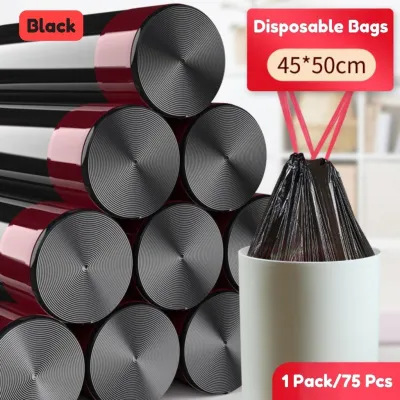
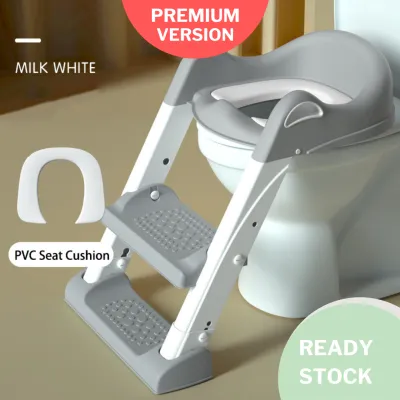
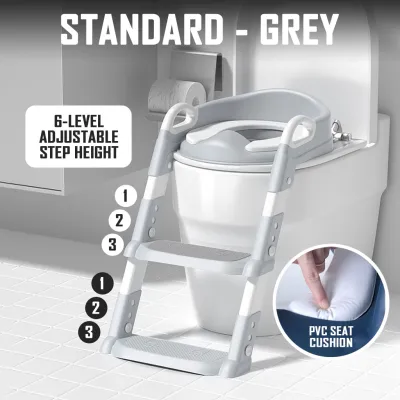
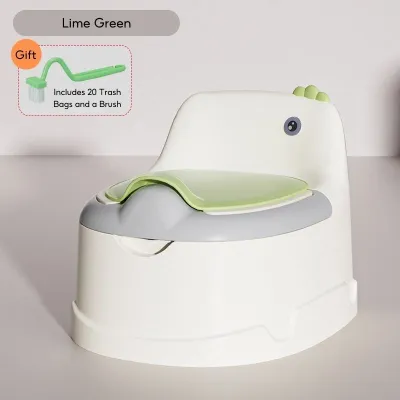
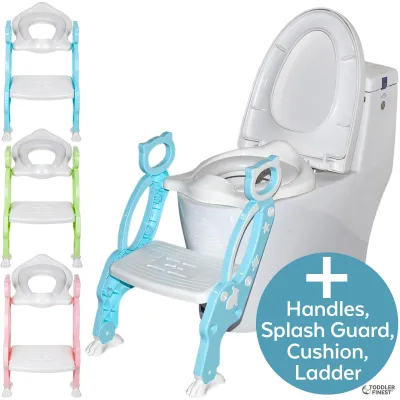


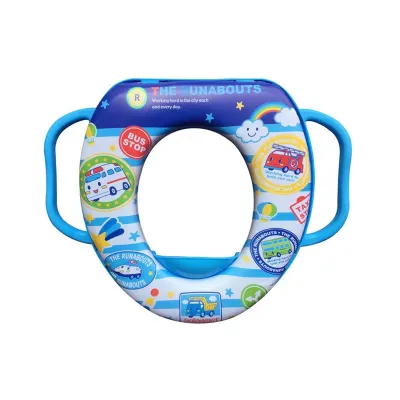
Prices are valid at publication and may change. Please refer to the product page for the latest price.
Physical readiness is primarily about bladder and bowel control. Observe whether your toddler can remain dry for at least two consecutive hours during the day, or if they consistently wake up dry from a nap. Predictable, regular bowel movements are another key physical indicator, showing that their digestive system has established a manageable pattern.
Cognitive and communication milestones are equally important. Your child needs to understand simple, multi-step instructions and be able to communicate their physical needs, either through spoken words, gestures, or facial expressions. They must also possess the body awareness to recognize the sensation of elimination before or while it is happening, rather than only after their diaper is already wet or soiled.
Behavioral signs often manifest as curiosity and a desire for independence. Your toddler may show an interest in watching you or older siblings use the bathroom, express a clear dislike for wearing wet or dirty diapers, or ask to wear “big kid” underwear. Many children also exhibit distinct behaviors when they need to go, such as retreating to a quiet corner, hiding behind furniture, or squatting.
If your family is currently experiencing a major life transition, it is highly recommended to postpone the training process. Events such as moving to a new home, welcoming a new baby, changing childcare providers, or dealing with family illness introduce stress that can disrupt your child’s emotional security. Waiting for a period of relative stability ensures your toddler has the mental and emotional bandwidth to focus on learning this new skill.
Essential Supplies to Prepare Before You Start
Having the right equipment ready before you begin makes the transition smoother and helps your child feel secure. When selecting products, always prioritize safety, stability, and your child’s physical comfort.

The first decision is choosing between a standalone potty chair and a toilet seat reducer. Standalone potty chairs are highly recommended for beginners because they are low to the ground, allowing your toddler to sit with their feet planted firmly on the floor. This posture provides the necessary physical leverage and abdominal support required to pass bowel movements comfortably. Alternatively, a toilet seat reducer fits securely over your existing adult toilet seat, making the transition to the “big toilet” less intimidating. If you choose a reducer, you must pair it with a sturdy step stool. Always inspect the manufacturer guidelines, weight limits, and stability ratings of any step stool or seat to ensure they are safe for your child’s current weight.
Appropriate clothing is another essential factor in promoting independence. Stock up on training pants, which are available in both reusable cloth and disposable varieties. Cloth training pants are highly beneficial because they feature an absorbent layer that catches minor leaks while still allowing your child to feel the sensation of wetness, which is a crucial learning cue. Ensure your child wears loose, easy-to-remove clothing during this phase. Avoid overalls, complex belts, stiff buttons, or elaborate snaps. Simple elastic-waist shorts or trousers are ideal, as they allow your toddler to pull their clothes down quickly when they feel a sudden urge.
In addition to the primary gear, prepare for the inevitable cleanup by stocking up on enzymatic cleaning sprays, microfiber cloths, and wet wipes. To make the bathroom a welcoming space, gather positive reinforcement tools. A dedicated sticker chart placed at eye level can serve as a visual progress tracker. Keeping a small basket of special, highly engaging books or toys that are only accessible while sitting on the potty can also help keep your child calm and cooperative during potty breaks.
Step-by-Step Potty Training Routine
Transitioning from diapers to independent bathroom use is a gradual process that unfolds in clear, manageable stages. Rather than expecting immediate mastery, focus on guiding your child through each step with patience and consistency.
Step 1: Introduce the Potty and Build Familiarity
Before asking your toddler to use the potty, allow them to become comfortable with its physical presence. Place the potty chair in a central, easily accessible location, such as the living room or their play area, and let them explore it. Encourage them to sit on it fully clothed while looking at a book or playing with a favorite toy, which helps remove any performance anxiety or fear of the object.
To build positive associations, you can let your child decorate the potty with colorful stickers. Reading potty-themed children’s books or watching educational videos together can also normalize the concept. Children learn extensively through imitation; if you are comfortable, let your child observe you, a same-sex parent, or an older sibling using the toilet. Seeing trusted family members model the behavior demystifies the process and encourages them to mimic the action.
Step 2: Schedule Regular Potty Breaks
Once your child is comfortable sitting on the potty, establish a predictable daily schedule based on natural transition times. Prompt your child to sit on the potty first thing when they wake up, shortly after meals or heavy fluid intake, before and after naps, and right before bedtime. These consistent intervals help their body associate specific times of day with elimination.
Keep these potty sessions brief, lasting no more than three to five minutes. Forcing a child to sit on the toilet for extended periods can lead to frustration, power struggles, and negative associations with the bathroom. To make the routine feel engaging rather than demanding, use a gentle visual timer or sing a specific “potty song” that lasts the duration of the sit. If they do not produce anything, praise them warmly for trying and move on to their next activity.
Step 3: Transition from Diapers to Training Pants
When your toddler begins to show consistent interest and occasional success during scheduled breaks, make the formal shift to training pants during their active waking hours. Clearly explain the transition to your child, highlighting that they are wearing “big kid” underwear now and need to try to keep them dry. This distinct shift in clothing reinforces the physical sensation of wetness if an accident does occur.
During the initial learning phase, it is best to reserve highly absorbent diapers or overnight pants strictly for naptime and bedtime. Mixing diapers and training pants during active daytime hours can confuse your toddler, making it difficult for them to understand when they should hold their bladder and when they can rely on the diaper’s absorbency. Keep the boundary clear: diapers are for sleeping, and training pants are for waking hours.
Step 4: Teach Proper Hygiene and Handwashing
Instilling healthy bathroom habits from the very beginning ensures your child develops proper hygiene skills that last a lifetime. Teach your toddler correct wiping techniques to prevent irritation and infection. For girls, it is absolutely essential to emphasize wiping from front to back to prevent the spread of bacteria into the urinary tract.
Make handwashing with soap and water a non-negotiable, automatic final step of every potty routine, regardless of whether they successfully went or not. Ensure your bathroom sink is accessible by using a stable step stool that allows your child to reach the running water and soap dispenser comfortably. Supervise their handwashing closely, teaching them to scrub their hands thoroughly for at least twenty seconds before rinsing and drying.
Handling Accidents and Nighttime Training
Accidents are an entirely normal, expected part of the learning process and should never be viewed as failures. When your child wets or soils their clothes, it is vital to remain completely calm and neutral. Avoid scolding, expressing disappointment, or punishing your child, as negative reactions can induce shame and anxiety, which frequently leads to regression or stool withholding. Instead, use a reassuring tone to say, “It’s okay, accidents happen. Let’s go put on some dry clothes.”
To reinforce the connection between the physical sensation and the action, involve your toddler in the cleanup process in a supportive, non-punitive way. You can ask them to help carry their wet clothes to the laundry basket or assist in wiping up a spill on the floor. This helps them understand the natural consequences of an accident without feeling blamed or shamed.
It is crucial to understand that daytime potty training and nighttime dryness are governed by entirely different physiological processes. While daytime training is a learned behavioral skill, staying dry overnight is primarily a biological milestone. It relies on the physical capacity of the bladder to hold urine for long periods and the maturation of the brain to produce anti-diuretic hormone, which naturally slows down urine production during sleep. Because these physical systems develop at different rates, overnight dryness can take months or even several years to achieve after your child has mastered daytime training.
To manage nights effectively, place a waterproof mattress protector under a fitted cotton sheet to safeguard the bed. Ensure your child stays well-hydrated throughout the day, especially in Singapore’s warm, humid climate, but consider limiting heavy fluid intake in the hour immediately preceding bedtime. Some families find success with a “dream pee”—gently lifting the child to use the potty right before the parents go to sleep—but keep in mind that this is not a mandatory training method and may disrupt the sleep patterns of light sleepers.
When to Pause and Seek Professional Advice
Potty training should never become a battle of wills. If you find yourself locked in frequent power struggles, or if your child exhibits extreme resistance, screams when brought near the bathroom, or begins intentionally holding in their bowel movements, it is best to pause immediately. Forcing a resistant child can lead to painful stool withholding, which can cause physical stretching of the bowel and chronic constipation. Revert to diapers calmly, without any sense of disappointment, and wait a few weeks or months before trying again.
There are also specific medical scenarios that require professional guidance. If you suspect your child has developed a urinary tract infection (UTI)—indicated by symptoms such as pain or crying during urination, an urgent and frequent need to pee with very little output, cloudy or foul-smelling urine, or sudden daytime wetting after being dry for months—consult your pediatrician promptly. Additionally, if your child experiences chronic constipation, painful bowel movements, or continues to struggle with daytime wetting past the age of four or five despite consistent, low-pressure efforts, seek advice from a qualified healthcare professional to rule out any underlying physical issues.
Frequently Asked Questions (FAQ)
How long does potty training usually take?
The timeline for potty training varies widely from child to child. While some toddlers grasp the concept of daytime dryness within a few weeks, others may take several months of consistent practice to become fully reliable. Nighttime dryness is a biological milestone that naturally takes longer, often occurring months or even years after daytime training is complete. Consistency, developmental readiness, and a positive environment are the key factors that influence the overall timeline.
Should I use rewards for potty training?
Whether to use rewards depends entirely on your child’s unique personality and motivation style. Tangible rewards, such as sticker charts, stamps, or small treats, can be highly effective tools for generating initial excitement and reinforcing positive behavior during the early stages. However, enthusiastic verbal praise, high-fives, and shared celebration are often just as powerful. If you choose to use tangible rewards, plan to phase them out gradually as using the potty becomes an established daily habit, shifting the focus to your child’s pride in their own independence.
Community discussion
Share your experience or ask a question. Comments are reviewed before publication.