
Introducing a portable potty during potty training bridges the gap between the controlled environment of your home and the unpredictable outside world. To successfully introduce this travel companion, you should first build familiarity at home, establish a low-pressure routine, and gradually transition to outdoor outings. By making the portable potty a consistent, comforting presence, you can maintain your toddler’s training momentum whether you are visiting a local park, running errands at a shopping mall, or traveling.
When to Introduce a Portable Potty
Before integrating a portable potty into your toddler’s routine, it is essential to recognize the physical and behavioral signs of potty training readiness. These signs typically include your child staying dry for several hours, showing interest in the bathroom, communicating their physical needs, and being able to follow simple instructions. Once these foundational behaviors are present, you can begin planning for transitions outside the home.
A portable potty becomes highly beneficial during specific scenarios where public restrooms are either unavailable, unhygienic, or intimidating for a small child. Outdoor excursions to local parks, long car rides, or day trips are prime examples where a quick, reliable setup is necessary. It also serves as a crucial safety net when transitioning your child from the highly structured home environment to public spaces.
Products mentioned in this guide
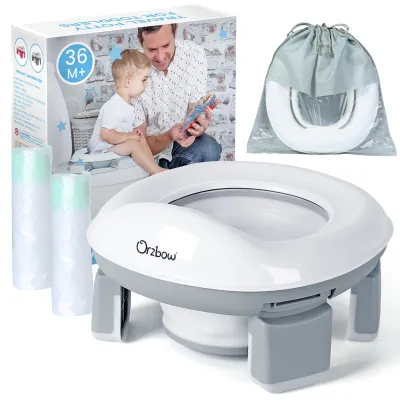
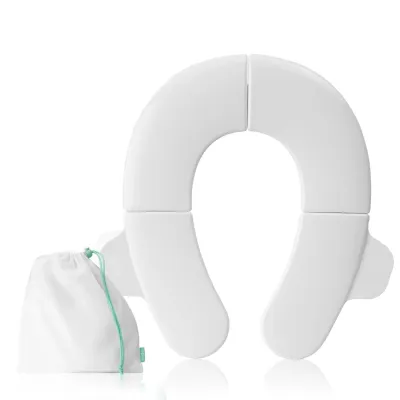
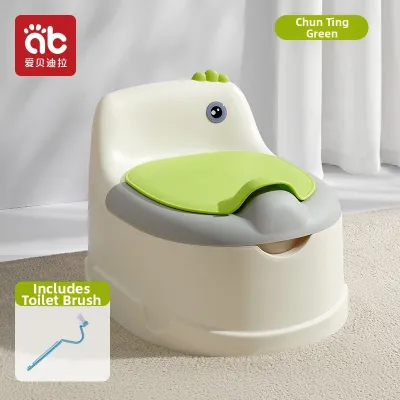
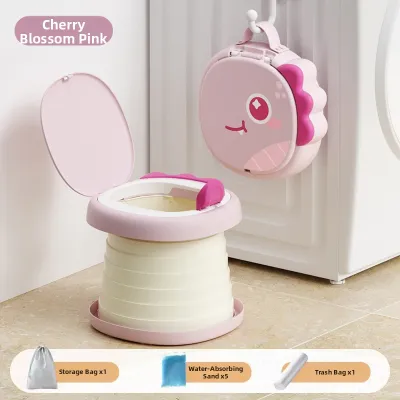

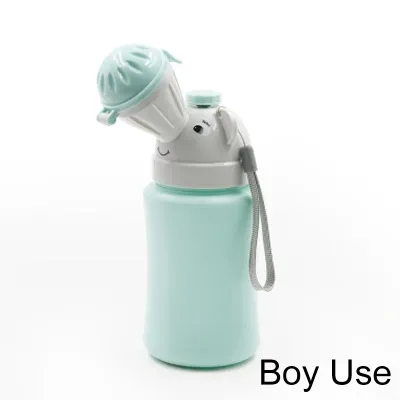
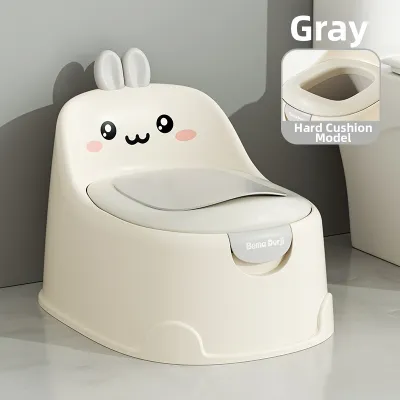
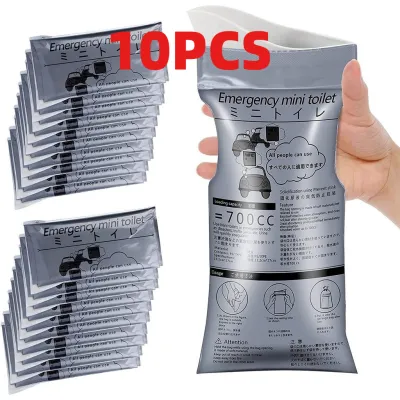
Prices are valid at publication and may change. Please refer to the product page for the latest price.
Understanding the functional differences between your primary home potty and a travel-specific option will help you manage expectations. Home potties are often larger, heavier, and designed for stability on bathroom floors. In contrast, a travel potty prioritizes compact storage, lightweight materials, and rapid deployment, making it an auxiliary tool rather than a complete replacement for your home setup.
Choosing the Right Portable Potty
Selecting the right portable potty requires balancing your toddler’s physical comfort with your own logistical needs. Start by evaluating the physical dimensions, weight capacity, and ergonomic support of the seat. Because toddlers vary widely in size, you must verify the manufacturer’s specified weight limits and dimensions to ensure the seat provides a secure, comfortable fit that prevents slipping or anxiety.

Look for essential travel features that make on-the-go use manageable and hygienic. A reliable splash guard is crucial for minimizing messes, while secure locking mechanisms ensure the potty remains stable when unfolded on uneven ground. If you plan to carry the potty pre-assembled, a leak-proof lid is an invaluable feature to prevent accidental spills before you can reach a disposal point.
Ease of cleaning is another critical factor to assess before purchasing. Some models feature removable inner bowls that can be emptied and washed, while others rely entirely on disposable, absorbent liners. If you prefer using liners, check the compatibility and availability of replacement bags on online marketplaces to ensure you can easily restock, as spending a few extra S$ on high-quality, leak-proof liners can save significant cleanup time later.
Finally, compare folding designs against standalone models based on your typical transportation and storage space. Folding models often double as trainer seats for standard public toilets and pack down flat, making them ideal for diaper bags or stroller baskets. Standalone travel potties, while bulkier, often provide a more familiar, chair-like experience for toddlers who prefer a setup identical to their home routine.
Step-by-Step Routine for Introducing the Potty at Home
To ensure a smooth transition, introduce the portable potty in the comfort of your home before attempting to use it in public. Start by unboxing the potty together with your toddler, allowing them to touch, open, and explore it. Framing this as an exciting new personal item builds curiosity and positive associations, reducing the likelihood of fear or resistance later on.
Once unboxed, place the portable potty in a familiar, highly accessible area of your home, such as the living room or play area. Keeping it visible and within reach allows your child to sit on it while fully clothed during playtime. This low-stakes interaction helps normalize the object as a regular piece of furniture rather than an intimidating tool.
Next, establish a consistent, low-pressure sitting routine around key times of the day, such as immediately after meals or upon waking up. Encourage your toddler to sit on the potty for a few minutes, but never force them to stay if they show discomfort or impatience. The goal is to build a habit of sitting, regardless of whether they actually produce anything.
Throughout this process, use clear, simple language to explain the potty’s purpose and how it will help them when you go outside. Pair these explanations with positive reinforcement, such as verbal praise, high-fives, or simple sticker charts. Keeping the tone light and encouraging ensures your child associates the portable potty with achievement and security.
Managing Outings and Travel with the Portable Potty
Transitioning to outdoor use requires careful preparation and a dedicated travel kit to handle any situation smoothly. Your kit should include the portable potty, compatible disposable liners, flushable or sensitive-skin wipes, hand sanitizer, and plastic bags for wet clothes. Always pack at least two complete changes of clothes, including socks and shoes, as public accidents can be messy.
When you arrive at your destination, proactively scout for appropriate, private, and safe locations where you can set up the potty if needed. Quiet corners of parks, the trunk of your car, or family changing rooms offer the privacy your toddler needs to feel secure. Avoid high-traffic, noisy areas that might startle or distract your child during a vulnerable moment.
Managing waste disposal hygienically is a key part of traveling with a portable potty. If using disposable liners, ensure they are securely tied and disposed of in designated trash bins. If you are using a standalone model without liners, carry a small bottle of water to rinse the bowl into a public toilet, then wipe it down before packing it away.
Despite your best preparations, accidents will happen, and managing them calmly is vital for your child’s confidence. Avoid showing frustration or disappointment when setbacks occur in public, as children quickly pick up on caregiver stress. Simply clean up calmly, reassure your toddler that it is part of the learning process, and move on to your next activity.
Cleaning and Maintaining the Portable Potty
Maintaining strict hygiene standards is essential to keep your portable potty sanitary and free from unpleasant odors. Perform an immediate cleanup after every use by wiping down all surfaces with disinfectant wipes or rinsing the bowl with soapy water. This prevents urine residue from drying, which can lead to persistent stains and bacterial buildup.
In addition to spot cleaning, perform a regular deep clean at home using toddler-safe, non-toxic disinfectants. Avoid harsh chemical cleaners that could irritate your child’s sensitive skin or degrade the plastic over time. Pay close attention to hinges, joints, and the underside of the seat where grime can easily accumulate unnoticed.
Regularly inspect the potty for structural wear, loose folding joints, or degraded rubber seals. In warm and humid climates, plastic components and rubber seals can degrade or become brittle more quickly if left in hot vehicles. If you notice any cracks or unstable parts, consult the manufacturer’s guidelines or replace the unit to prevent structural failure during use.
Proper storage is the final step in maintaining your travel potty’s longevity. Ensure the potty is completely dry before folding or storing it in a closed bag to prevent the growth of mold and mildew. Store it in a cool, dry place away from direct sunlight, ready for your next family outing.
Troubleshooting Common Resistance and Setbacks
It is common for toddlers to experience periods of resistance or setbacks when using a portable potty in unfamiliar environments. Watch for behavioral signs of fear, anxiety, or sensory overload, such as crying, clinging, or refusing to approach the potty. Public spaces can be loud and overwhelming, and your child may simply feel too exposed to relax.
If your child refuses to use the potty outside, adjust the environment to increase their comfort. Try moving to a quieter location, shielding them from view with a stroller canopy or umbrella, or letting them hold a favorite toy. Creating a predictable, private bubble helps ease their anxiety and allows them to focus on their physical needs.
If resistance escalates into intense stress, tantrums, or physical distress, it is entirely acceptable to pause and temporarily revert to training pants or diapers. Forcing the issue can create negative associations that delay overall potty training progress. A brief pause of a few days or weeks allows everyone to reset and try again with a fresh approach.
While minor setbacks are normal, certain conditions warrant professional guidance. If your child experiences physical pain during urination or bowel movements, exhibits prolonged stool withholding, or shows a sudden, severe regression after being fully trained, consult your pediatrician. They can rule out underlying medical issues like urinary tract infections or constipation and provide tailored advice.
Frequently Asked Questions (FAQ)
Can I use a portable potty as the main potty at home?
While a portable potty can be used at home in a pinch, it is generally not recommended as the primary training seat. Standard home potties typically offer greater structural stability, a wider non-slip base, and more ergonomic support for daily, repetitive use. If you do use a travel model at home, ensure it is placed on a flat, non-slip surface and verify that its locking mechanisms are fully engaged to prevent tipping.
How do I dispose of waste when using a portable potty in public?
The most hygienic method is to use leak-proof, absorbent disposable liners designed for travel potties. Once your child is finished, tie the liner securely and dispose of it in a designated waste bin, similar to how you would discard a diaper. If liners are unavailable, empty the liquid waste directly into a public toilet, rinse the bowl with clean water, and use disinfectant wipes to sanitize the surfaces before packing.
What should I do if my toddler refuses to use the portable potty outside?
If your toddler refuses to use the potty on the go, focus on recreating the comfort and privacy of your home bathroom. Find a quiet, low-sensory area away from crowds, and use familiar comfort items or gentle verbal encouragement to reduce anxiety. Never force or punish your child for refusing; instead, offer a calm alternative like a public restroom companion seat or temporarily use a diaper while keeping the experience positive.
Community discussion
Share your experience or ask a question. Comments are reviewed before publication.