
Navigating public spaces with an infant requires careful preparation, especially when it comes to maintaining hygiene during diaper changes. While reusable changing pads are excellent for controlled environments like the home nursery, they can become a liability when you are out and about. A disposable changing mat offers a practical, hygienic barrier that protects your baby from unsanitary surfaces while ensuring that unexpected messes do not ruin your diaper bag or public facilities. For parents in Singapore, where active outdoor lifestyles and frequent visits to bustling shopping centers are the norm, having a reliable stash of these mats is a daily necessity. Understanding how to evaluate these products based on material safety, absorbency, and portability will help you make an informed choice that keeps your baby clean and comfortable.
Why Parents Choose Disposable Changing Mats
Singapore’s urban landscape is highly family-friendly, with modern nursing rooms available in almost every major shopping mall, transit hub, and public park. However, the high volume of parents and infants utilizing these shared spaces means that changing tables can quickly become breeding grounds for bacteria. Even when a surface appears visually clean, invisible pathogens may persist. A disposable changing mat provides an immediate, sterile barrier between your baby’s delicate skin and the public changing station, giving you peace of mind during quick outings.
Beyond basic hygiene, these mats are invaluable for managing sudden, messy diaper blowouts. When a blowout occurs away from home, containing the liquid waste is a major challenge. A reusable mat would require immediate cleaning and sanitizing, which is highly inconvenient when you are in a public restroom with limited sink space. With a disposable option, you can perform the change, roll up the soiled mat along with the dirty diaper, and discard the entire mess directly into a waste bin. This streamlined process minimizes contact with waste and prevents cross-contamination of your personal belongings.
Products mentioned in this guide
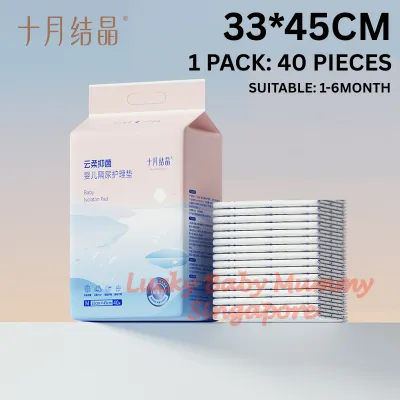
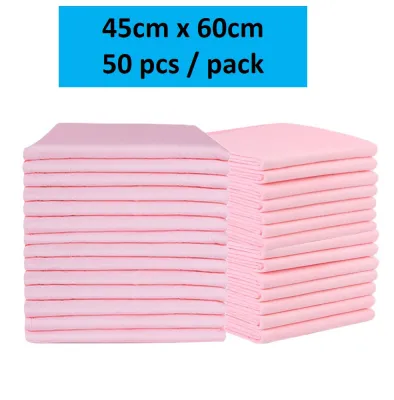
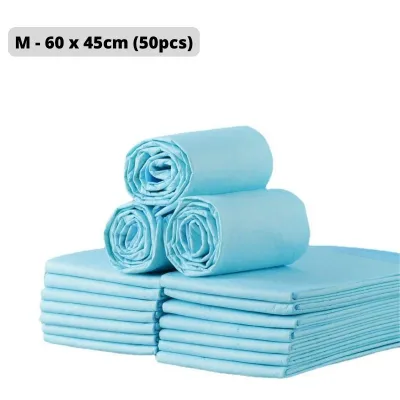
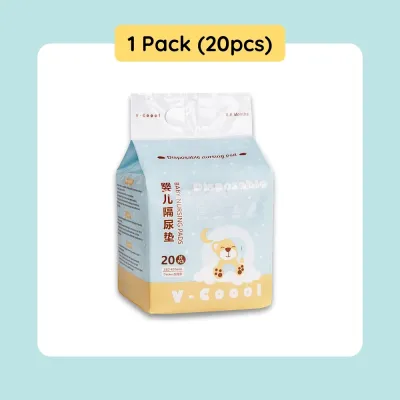
![[SG Seller]Disposable Sheet/baby changing pad/Underpads/maternity pad/diaper changing pad/Pet pad/diaper changing pad](https://img.lazcdn.com/g/p/98b6308018da96ec0e340934b88f4b41.png_400x400q80.png_.webp)
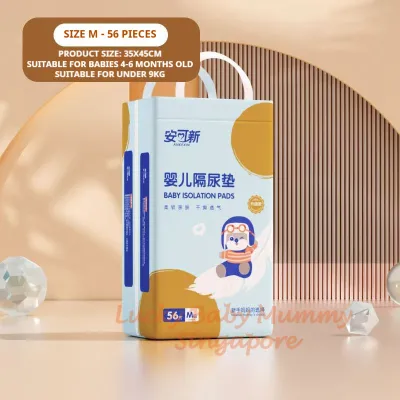
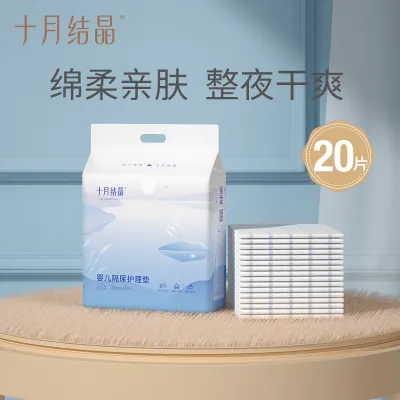
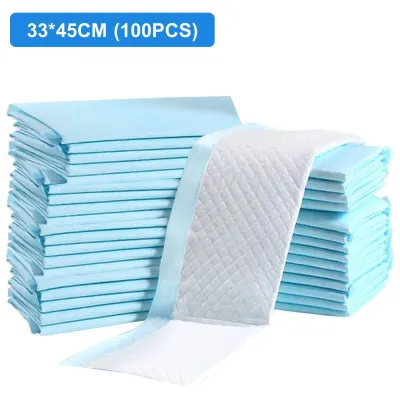
Prices are valid at publication and may change. Please refer to the product page for the latest price.
While disposable mats offer unmatched convenience, they do represent a trade-off regarding environmental impact. Because they are single-use items containing plastic backings and absorbent polymers, they contribute to landfill waste. To balance convenience with environmental responsibility, many parents view disposable mats as a targeted, supplementary tool rather than a complete replacement for reusable home setups. Reserving disposable mats strictly for travel, outdoor excursions, and public restroom emergencies allows you to enjoy their practical benefits while minimizing your overall ecological footprint.
Key Features to Evaluate Before Buying
When shopping for disposable changing mats on local ecommerce platforms or at baby specialty stores, it is easy to be overwhelmed by the variety of options. To find a product that truly meets your needs, you must look past marketing claims and evaluate the physical and material specifications listed on the packaging.

The primary function of any changing mat is to contain moisture, making absorbency and leak-proof backing the most critical features to verify. A high-quality mat typically features a multi-layer construction. The top sheet should be made of a soft, non-woven fabric that quickly draws liquid away from the baby’s skin to prevent pooling. Beneath this lies the absorbent core, which often utilizes fluff pulp or superabsorbent polymers to lock in moisture. Finally, the bottom layer must consist of a completely waterproof material, such as polyethylene film, to ensure that no liquid seeps through onto the surface below. Always check the product description to confirm the presence of a reliable waterproof backing.
Size and thickness are equally important dimensions to consider. Babies grow rapidly, and a mat that fits a newborn perfectly may prove far too small for an active six-month-old. Standard mats generally range from compact options to larger, full-coverage sheets. A larger mat is highly recommended for public changing tables, as it prevents your baby’s flailing arms and legs from touching the surrounding surfaces. Thickness also dictates the level of cushioning provided. While thin mats are highly portable, slightly thicker, quilted options offer better comfort when laying your baby down on hard plastic or wooden changing stations.
The packaging format directly influences how easily you can integrate these mats into your daily routine. Manufacturers generally offer two main formats: bulk packs and individually wrapped units. Bulk packs, where multiple mats are folded together in a single bag, are highly cost-effective and ideal for keeping a steady supply in your car trunk or home diaper station. Conversely, individually wrapped mats are folded into tiny, sterile packets that slide effortlessly into diaper clutches, pockets, or stroller organizers. Evaluating your storage space and travel habits will help you decide which format offers the best balance of convenience and value.
Skin compatibility is a paramount concern for any parent, given the permeability of infant skin. Many disposable products contain added fragrances, chemical binders, or bleaching agents that can trigger contact dermatitis or worsen existing diaper rash. When reviewing product labels, prioritize options that are explicitly marked as fragrance-free, alcohol-free, and elemental chlorine-free. If your baby has a history of eczema or highly reactive skin, look for dermatologically tested certifications. Regardless of the product’s claims, always perform a localized patch test by allowing your baby’s skin to rest on a small section of the mat for a short period before committing to full, regular use.
Choosing the Right Mat for Your Specific Needs
Selecting the ideal disposable changing mat is not about finding a single, universally superior product. Instead, it requires matching the specific design features of the mat to your primary outing types, travel frequency, and your baby’s unique physical sensitivities. By categorizing your needs, you can select the most practical and cost-effective options for different scenarios.
For Frequent Travel and Long Flights
Air travel and long-distance journeys demand maximum portability and space efficiency. When navigating crowded airports, transit hubs, or airplane cabins, space in your carry-on luggage is at a premium. For these situations, individually wrapped, ultra-compact disposable changing mats are the ideal choice. These mats are compressed and sealed, allowing you to pack several units into a small diaper clutch or even a jacket pocket without adding bulk.
Furthermore, airplane lavatories feature exceptionally small, fold-down changing tables that require precise coverage. When selecting a mat for travel, check the dimensions to ensure it is large enough to cover the entire changing platform. A mat measuring at least 45×60 cm is typically sufficient to create a clean zone, protecting your baby’s head, torso, and limbs from direct contact with the hard, shared surfaces of the aircraft.
For Daily Errands and Quick Changes
For routine daily activities—such as a quick trip to the neighborhood supermarket, a stroll through the local park, or a brief coffee stop—your requirements are different. Because these outings occur frequently, relying solely on premium, individually wrapped mats can quickly become financially impractical. For everyday use, bulk-packaged mats offer a much more economical solution, providing a lower cost per unit while delivering the same basic hygienic protection.
During quick daily errands, you are often changing your baby on relatively clean, flat surfaces, such as a dedicated nursing room bench or a friend’s clean sofa. In these controlled environments, heavy absorbency and thick cushioning are less critical. Opting for slightly thinner, lightweight mats allows you to pack multiple sheets into your stroller organizer or diaper bag without taking up valuable space, ensuring you are always prepared for a quick diaper swap.
For Babies with Sensitive Skin
Infants with highly sensitive skin, eczema, or a predisposition to diaper rashes require a highly cautious approach to disposable materials. Standard disposable mats may contain synthetic top sheets, chemical adhesives, or optical brighteners that can easily irritate compromised skin barriers. For these babies, parents must carefully scrutinize the ingredient list and product packaging for specific safety labels.
Prioritize mats that utilize natural, plant-based fibers for the top sheet, such as unbleached bamboo or organic cotton, which are inherently softer and less abrasive than synthetic polyester. Ensure the packaging explicitly states the product is hypoallergenic, preservative-free, and free from synthetic dyes. If your baby suffers from severe eczema or known contact allergies, it is highly recommended to consult a pediatrician in Singapore before introducing any new disposable changing products to your routine.
Safe Usage and Disposal Practices
Using disposable changing mats safely requires adhering to strict hygiene protocols and physical safety guidelines. The most critical rule of infant care during diaper changes is constant, active caregiver supervision. No matter how secure, textured, or slip-resistant a disposable mat’s backing claims to be, it cannot prevent a baby from rolling or sliding. Never leave your baby unattended on a changing table, bed, sofa, or any elevated surface, even for a fraction of a second. Always keep one hand securely on your baby to prevent accidental falls.
Before laying your baby down on a disposable mat, perform a quick visual inspection of the product’s structural integrity. Check for any tears in the top sheet, holes in the waterproof backing, or exposed absorbent polymers. If a mat has become damp due to humid storage conditions, or if the inner core has clumped together, discard it immediately. A compromised mat not only fails to provide a reliable waterproof barrier but can also expose your baby’s skin to loose fibers or superabsorbent particles, which can cause irritation or present a minor choking hazard if handled by the baby.
Proper disposal is essential for maintaining public hygiene and environmental health. Disposable changing mats are constructed from materials that do not break down in water, meaning they are strictly non-flushable. Attempting to flush a changing mat will result in severe plumbing blockages and environmental contamination. After completing a diaper change, roll the mat inward to contain any solid waste or moisture. If the mat features adhesive corner tabs, use them to secure the rolled bundle. Place the soiled mat inside a diaper disposal bag and discard it in a designated sanitary waste bin.
Frequently Asked Questions (FAQ)
Can a disposable changing mat be reused?
Disposable changing mats are engineered and manufactured strictly for single-use applications. Reusing them is highly discouraged because it compromises both the hygienic benefits and the structural integrity of the product. Once a mat has been laid out on a public changing table, the waterproof bottom layer inevitably accumulates bacteria and viruses from that surface. If you fold the mat and place it back into your diaper bag for later use, you risk transferring those pathogens to your clean baby gear, hands, and diaper bag interior.
In very limited, clean scenarios—such as when a mat was used briefly at home on a clean bed solely to prevent minor lint transfer, and remained completely dry and unsoiled—some parents might consider using it a second time. However, even in these cases, the absorbent core fibers can shift, clump, or tear after light use. This degradation reduces the mat’s ability to absorb liquid evenly, increasing the likelihood of leaks during subsequent changes. To ensure optimal hygiene and performance, always discard the mat after a single use.
Are disposable changing mats safe for newborn skin?
Most standard disposable changing mats are safe for intact newborn skin, but parents must exercise extra caution during the first few weeks of life. A newborn’s skin barrier is significantly thinner and more permeable than that of older infants, making them highly sensitive to friction, synthetic chemicals, and moisture.
To minimize the risk of irritation, look for mats specifically labeled as newborn-safe, hypoallergenic, and free from fragrances, alcohol, and chlorine bleaching. When using a disposable mat for the first time, closely monitor your newborn’s skin—particularly on the back, thighs, and diaper area—for any signs of redness, warmth, or localized rash. If you notice any skin reactions, discontinue use immediately and switch to a mat made from natural, unbleached fibers, or consult your pediatrician for guidance.
How many mats should I pack for a holiday?
Estimating the number of disposable changing mats to pack for a trip depends on your baby’s age, diaper change frequency, and the nature of your travel. A practical rule of thumb is to calculate your baby’s average daily diaper changes and pack one disposable mat for every two anticipated changes, then add a buffer of three to four extra mats to account for unexpected travel delays or sudden blowouts.
For example, if your baby typically requires six diaper changes a day, packing three mats per day of travel is a safe baseline. For a four-day holiday, you would pack approximately twelve mats, plus a buffer of four, bringing the total to sixteen mats. Always distribute these mats strategically throughout your luggage. Keep at least two or three individually wrapped mats in your carry-on bag or immediate diaper clutch so they are easily accessible during flights, transit stops, or unexpected delays at Changi Airport.

Community discussion
Share your experience or ask a question. Comments are reviewed before publication.