
Caring for a newborn’s hygiene requires a delicate touch and the right tools. Among the most common items in a nursery are cotton swabs and pads, which play a vital role in daily grooming routines. However, because an infant’s skin is incredibly thin and their sensory organs are highly sensitive, using these tools incorrectly can lead to accidental injuries or irritation. Selecting the right cotton baby products and mastering the correct techniques is essential for keeping your little one clean and comfortable.
In Singapore’s warm and humid tropical climate, babies are particularly prone to sweat accumulation, milk residue, and moisture buildup in their delicate skin creases, behind the ears, and around the neck. This environmental factor makes regular, gentle cleaning necessary to prevent heat rash and localized skin irritation. Using high-quality cotton materials allows parents to manage these moisture-prone areas safely without stripping the skin’s natural protective barrier.
Selecting Safe Cotton Baby Products for Grooming
When shopping for grooming supplies, it is vital to distinguish between adult-use products and those designed specifically for infants. Standard adult cotton swabs feature thin, straight plastic or paper shafts with small, concentrated cotton tips. These can easily slip deep into a baby’s tiny ear canal or nasal passage if they squirm. In contrast, baby-specific cotton swabs are engineered with safety bulbs or widened bases that physically prevent the tip from entering too far into narrow cavities, significantly reducing the risk of physical trauma.
Products mentioned in this guide
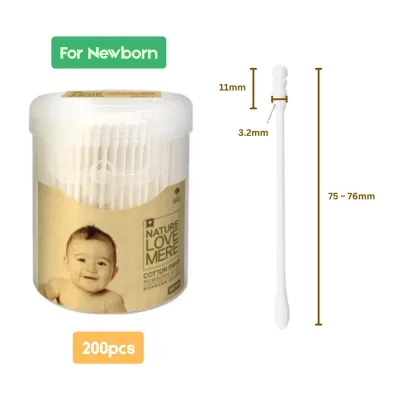
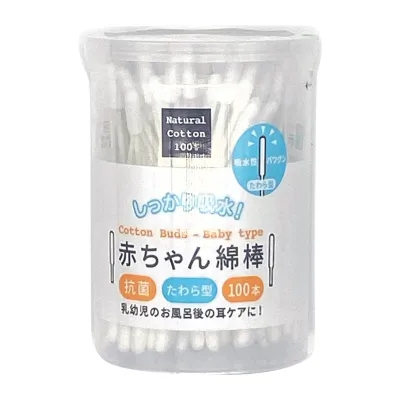
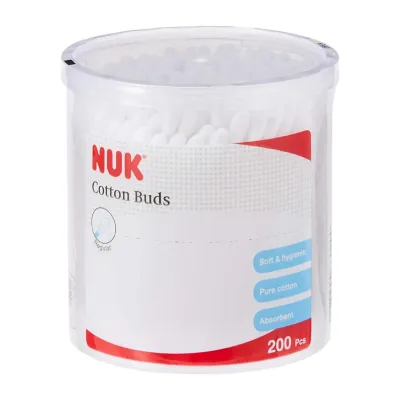
Prices are valid at publication and may change. Please refer to the product page for the latest price.
For general wiping, cotton pads and cotton wipes are far superior to standard synthetic wipes for newborn skin. Look for products made from 100% pure cotton that are unbleached and free from chemical binders. It is crucial to verify that the pads are completely free from added fragrances, alcohol, and fluorescent brighteners, as these chemical additives are common triggers for contact dermatitis on highly permeable infant skin. Opting for double-sided, stitched-edge pads also helps prevent the cotton from falling apart during use.
Sterilization is another critical factor to verify on product packaging, especially when selecting cotton for umbilical cord care or cleaning minor skin abrasions. Look for products clearly labeled as sterile, which typically undergo processes like gamma irradiation to ensure they are free from microbial contamination. Always inspect the packaging before opening to confirm the seal is fully intact and undamaged.
Before purchasing or using any grooming product, parents should carefully read the manufacturer’s labels, age recommendations, and specific usage warnings. Even products labeled as organic or natural must be verified for suitability based on your baby’s developmental stage. Keep all grooming products stored in a clean, dry, dust-free container out of reach of children to maintain their hygiene and prevent accidental ingestion hazards.
Step-by-Step Grooming Techniques for Delicate Areas
Before you begin any grooming routine, proper preparation is essential to ensure your baby’s safety and comfort. Wash your hands thoroughly with warm water and soap for at least twenty seconds. Set up your grooming station on a secure, flat surface like a changing table or a clean floor mat, ensuring all necessary supplies—such as sterile water, cotton pads, safety swabs, and a clean dry towel—are within arm’s reach. Never leave your baby unattended on an elevated surface, even for a brief moment.

Creating a calm, distraction-free environment helps minimize sudden movements during grooming. If your baby is fussy, hungry, or crying, it is best to postpone the cleaning until they are calm or distracted by a soft lullaby. Maintaining a gentle, reassuring touch and talking to your baby in a soothing voice can help them remain still while you clean sensitive areas.
Cleaning the Outer Ears and Nose
When cleaning your baby’s ears and nose, you must observe a strict safety boundary: only clean the visible outer surfaces. The internal ear canal and nasal passages are highly delicate and do not require manual insertion of cleaning tools. Focus your efforts entirely on the outer ear folds (the pinna), the skin behind the ears, and the very outer edge of the nostrils.
Never insert a cotton swab, even a baby-safe safety swab, into the ear canal or deep into the nasal cavity. Probing these areas can push earwax or mucus deeper, leading to painful impactions, infections, or physical damage to the eardrum and fragile nasal membranes. The body has natural self-cleaning mechanisms that gradually push wax and debris outward, making deep cleaning unnecessary and risky.
To clean the outer ear, dampen a baby-safe cotton swab or a soft cotton pad with lukewarm water, squeezing out any excess liquid. Gently roll the swab along the natural curves of the outer ear to lift away visible wax or crust. For the nose, use a damp swab to gently sweep around the outer rim of the nostril to catch loose, dry mucus without entering the nasal passage.
Monitor your baby closely during this process for any signs of discomfort. If you notice any foul-smelling discharge, yellow or green fluid, bleeding, swelling, or if your baby cries out in pain, stop cleaning immediately. These symptoms require professional evaluation, so consult your pediatrician promptly rather than attempting further home cleaning.
Caring for the Umbilical Cord Stump
Modern pediatric guidelines frequently recommend “dry care” for newborn umbilical cord stumps, which involves keeping the area clean, dry, and exposed to air without active chemical wiping. However, because medical advice can vary based on individual circumstances, always follow the specific care instructions provided by your pediatrician or discharge hospital.
If your doctor has advised active cleaning—such as when the area becomes soiled with urine or stool—use a sterile cotton swab moistened with sterile water or a prescribed antiseptic solution. Gently wipe around the base of the stump where it meets the abdominal skin, using a light, single-direction sweep. Avoid scrubbing or applying heavy pressure to the delicate tissue.
Once the area is clean, gently pat the surrounding skin dry using a clean, sterile cotton pad, or allow it to air dry completely. When putting on a fresh diaper, fold the front waistband downward so it sits well below the umbilical stump. This prevents the diaper from trapping moisture or rubbing against the healing tissue, which helps speed up the natural drying process.
Under no circumstances should you pull, tug, or attempt to peel off the umbilical cord stump, even if it appears to be hanging by a very thin thread. Forcing the stump to detach prematurely can cause active bleeding, delay healing, and introduce harmful bacteria into the open skin.
Monitor the area closely for infection red flags that require immediate medical attention:
- Surrounding redness: Redness or swelling on the skin immediately surrounding the base of the stump.
- Active discharge: Oozing yellow or green pus, or continuous bleeding from the stump.
- Foul odor: A strong, unpleasant smell emanating from the umbilical area.
- Signs of pain: Your baby cries or flinches whenever the stump or surrounding skin is gently touched.
Wiping the Face and Eyes
A baby’s eyes are highly sensitive and prone to mild blockages, especially in the early weeks when tear ducts are still developing. To clean them safely, dampen a soft cotton pad with lukewarm, sterile water (cooled boiled water is highly recommended). Gently wipe the eye in a single, smooth motion starting from the inner corner near the nose and moving outward toward the temple.
It is a critical safety rule to use a completely fresh cotton pad for each eye. If you reuse the same pad on both eyes, you run a high risk of transferring bacteria or viral contaminants from one eye to the other, which can easily cause cross-infection or worsen conditions like conjunctivitis. Always discard the pad immediately after a single wipe.
For the rest of the face, milk residue, drool, and sweat can accumulate in the creases around the mouth, chin, and neck. Clean these areas by gently patting or dabbing the skin with a damp cotton pad. Avoid rubbing or dragging the pad across the skin, as the friction can easily irritate or scrape your baby’s thin, delicate epidermal layer.
Always ensure that the cotton pad is damp but not dripping wet before touching your baby’s face. Excess water can easily run into their eyes, nose, or mouth, causing sudden discomfort, coughing, or triggering a startle reflex that makes the grooming process more difficult and stressful for both of you.
Essential Safety Rules and When to See a Doctor
The physical risks of grooming increase significantly when a baby is squirming, crying, or startled. A sudden jerk of the head while you are holding a cotton swab near their ear or nose can lead to accidental scratches or deeper tissue injury. If your baby is highly active or distressed, pause the routine immediately and wait until they are calm, relaxed, or distracted by a soft toy.
Loose cotton fibers from low-quality swabs or pads can pose subtle hazards to your baby. These tiny fibers can easily detach and get trapped in the eyelashes, nostrils, or deep skin creases, leading to irritation, or potentially acting as a minor choking hazard if they find their way into the mouth. Always inspect cotton products before use by gently pulling on the tips to ensure they are tightly wound and do not shed easily.
Cotton grooming products are designed strictly for external, superficial cleaning and must never be used to administer liquid medications, drops, or ointments into the ears or nose unless you have received explicit, detailed instructions from a qualified healthcare provider. Attempting to apply medications deep inside these cavities with a standard swab can cause improper dosage or physical injury.
Parents should establish a clear threshold for when to stop home grooming and seek professional medical guidance. Keep a close eye out for the following checklist of symptoms:
- Persistent ear tugging: Your baby frequently rubs, pulls, or scratches at their ears, which may indicate internal discomfort, wax impaction, or an ear infection.
- Unusual nasal discharge: Thick, yellow, green, or foul-smelling mucus that persists or is accompanied by breathing difficulties.
- Skin irritation: Localized rashes, extreme dryness, swelling, or warmth in any of the areas you have cleaned.
- Umbilical complications: Any redness spreading to the abdomen, persistent oozing, or a foul odor from the cord stump.
Always prioritize your baby’s safety by consulting your pediatrician or a qualified healthcare provider if you are ever unsure about a grooming technique, notice any unusual physical symptoms, or suspect a minor injury has occurred during cleaning. Professional guidance ensures you can care for your baby’s hygiene with absolute peace of mind.
Frequently Asked Questions (FAQ)
Can I use regular adult cotton swabs for my baby?
No, you should avoid using regular adult cotton swabs on your baby. Adult swabs feature narrow, straight shafts and small tips that can easily slide too deep into an infant’s tiny ear canal or nasal passages, increasing the risk of eardrum damage or mucosal scratches. Instead, choose baby-specific cotton swabs designed with a distinct safety bulb or a widened base. This physical barrier prevents the swab from entering too deeply, protecting your baby even if they make a sudden, unexpected movement during grooming.
How often should I clean my baby's ears and nose?
Your baby’s ears and nose are natural, self-cleaning systems that do not require a strict daily cleaning schedule. Under normal circumstances, you should only clean these areas when you observe visible wax, dried mucus, or crust on the outermost surfaces, typically during or immediately after their regular bath. Over-cleaning can strip away the natural protective oils of the skin and irritate the delicate mucosal linings, so it is best to let the body’s natural processes do most of the work.
What should I do if the cotton leaves fibers on the skin?
If you notice loose cotton fibers left behind on your baby’s skin, gently brush them away using a clean, dry finger or a very soft baby hairbrush. Avoid using sharp tools like tweezers or metal clips near your baby’s face, as any sudden movement could result in a serious scratch or puncture wound. If your current cotton pads or swabs frequently shed fibers, switch to a higher-quality, double-faced, or lint-free cotton product specifically manufactured for sensitive infant care.
Community discussion
Share your experience or ask a question. Comments are reviewed before publication.