
Finding a baby shower head that meets safety compliance standards in Singapore requires understanding the distinction between active electrical appliances and passive plumbing accessories. While manual shower heads do not carry a mandatory Safety Mark, they must comply with local water utility regulations and material safety standards. Any integrated electrical heating elements or electronic components must be verified against local safety regulations. By focusing on verifiable certifications, material safety declarations, and physical design features, parents can ensure a safe and comfortable bathing experience for their infants.
Understanding Safety and Compliance Standards in Singapore
When shopping for baby bathing products in Singapore, navigating the regulatory landscape is the first step toward ensuring child safety. The Consumer Product Safety Office (CPSO), which is the administrative body under Enterprise Singapore, oversees the safety of consumer products. The CPSO manages the Consumer Protection (Safety Requirements) Registration Scheme (CPS Scheme), which mandates that specific Controlled Goods must be tested to meet safety standards and carry a valid Safety Mark before they can be sold locally.
It is crucial to differentiate between manual shower heads and electrical bathing systems. A standard, non-electric manual shower head is classified as a plumbing accessory rather than an electrical appliance. Consequently, manual shower heads do not fall under the CPS Scheme and do not require a Safety Mark. However, if you purchase an integrated system that includes an electric water heater, an inline heating element, or an electronic temperature control unit, those electrical components are classified as Controlled Goods and must carry the official Safety Mark.
Products mentioned in this guide
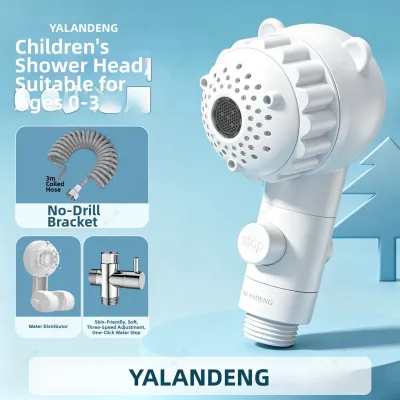
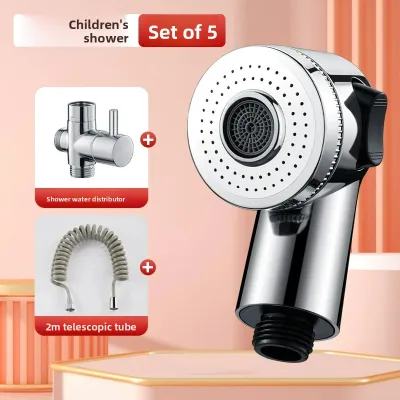
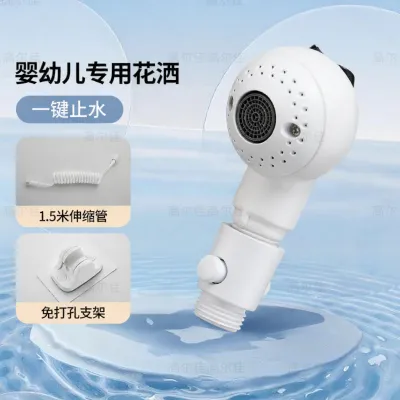
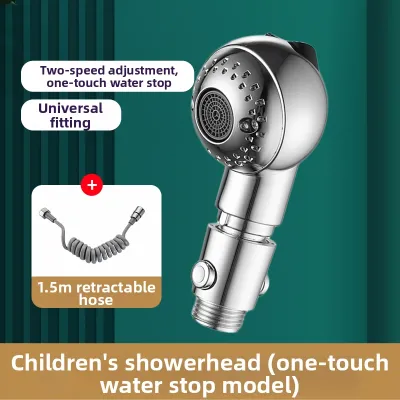
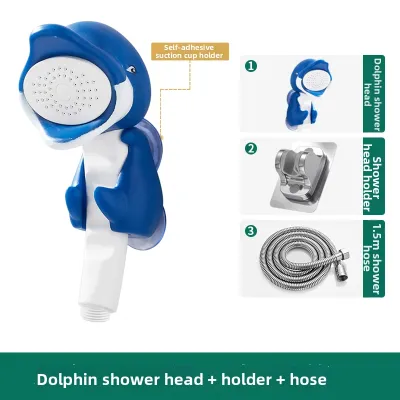
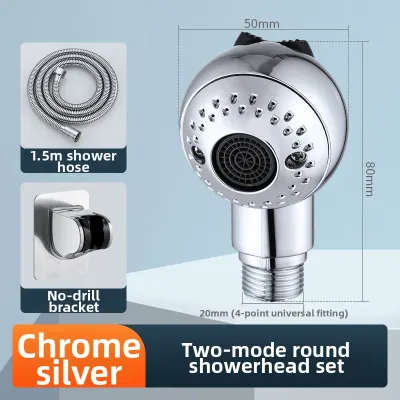
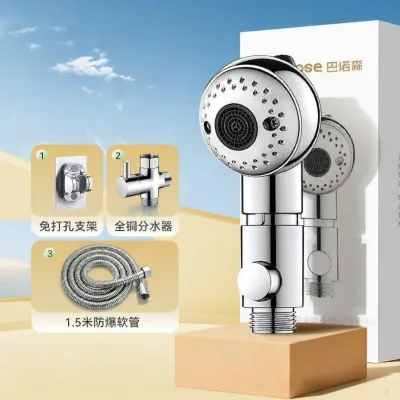
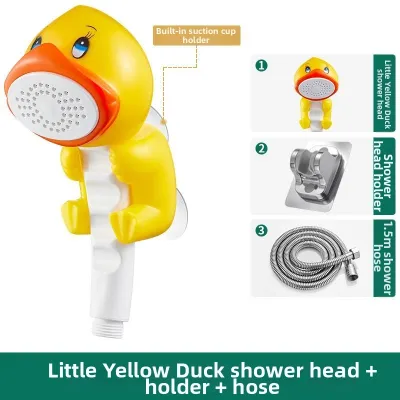
Prices are valid at publication and may change. Please refer to the product page for the latest price.
For manual baby shower heads, the primary regulatory framework is managed by the Public Utilities Board (PUB) through the Water Efficiency Labelling Scheme (WELS). While WELS primarily focuses on water conservation, it also serves as a practical safety indicator for parents. A shower head with a high water-efficiency rating (indicated by more ticks on the label) delivers a controlled, lower flow rate. This lower flow rate is inherently safer and gentler on an infant’s delicate skin compared to high-pressure, unregulated models.
Beyond water flow, material safety is a paramount concern for parents. Because infants frequently explore their environment by touch and mouth, the materials used in a baby shower head must be entirely non-toxic. Parents should look for explicit material safety declarations on product packaging, such as BPA-free and food-grade silicone. While these declarations are voluntary, reputable brands back these claims with independent laboratory test reports from recognized certification bodies, ensuring that no harmful chemicals will leach into the warm bathwater.
Essential Safety Features for Baby Shower Heads
Selecting the right baby shower head involves evaluating specific physical and functional design characteristics that minimize common bathing risks. The first feature to prioritize is water pressure and flow control. An infant’s skin is significantly thinner and more sensitive than an adult’s, making standard shower sprays potentially painful or irritating. A compliant baby shower head should offer dedicated gentle spray modes, such as a fine mist or a highly aerated soft spray, which disperse the water pressure evenly and prevent skin discomfort.

Temperature regulation is another critical safety dimension. Sudden fluctuations in water temperature can lead to accidental scalds or cold shocks, which are particularly dangerous for young children. Parents should look for shower heads that incorporate anti-scald mechanisms. Some advanced models feature built-in mechanical thermostatic valves that automatically restrict water flow if the temperature exceeds a safe threshold, typically 38 degrees Celsius. Other designs include real-time temperature displays or color-changing LED indicators powered by internal water turbines, providing a clear visual warning without the need for electrical batteries.
The physical materials and structural design of the shower head must also be carefully assessed. The handle should feature an ergonomic, anti-slip grip made of textured rubber or silicone, ensuring a secure hold even when hands are covered in baby soap. A dropped shower head can startle a baby or cause physical injury, so lightweight construction is highly desirable. Additionally, the spray nozzles should be made of flexible, anti-mold silicone. These flexible nozzles prevent the accumulation of mineral deposits and limescale, which can harbor harmful bacteria in Singapore’s warm and humid climate.
Finally, inspect the physical edges of the product. A safe baby shower head must have completely rounded edges and seamless plastic joints. Sharp manufacturing seams or protruding parts can scratch a baby’s sensitive skin during close-contact bathing. Choosing a model with a recessed spray face and a smooth, impact-resistant outer casing further reduces the risk of accidental scratches or bruising during bath time.
How to Verify Brand Claims and Product Certifications
In an era of global e-commerce, many products sold online make bold safety claims that may not be backed by genuine testing. To protect your baby, it is essential to know how to independently verify these claims. If a baby shower head system includes any electrical components, such as an inline digital thermometer or an integrated heater, you must verify its Safety Mark. Every valid Safety Mark features a unique 8-digit registration number. You can enter this number into the CPSO Register of Registered Controlled Goods online portal to confirm that the product is officially registered and safe for use in Singapore.
For material safety claims, such as food-grade silicone or medical-grade plastics, parents should look for international certifications. Reputable manufacturers will have their products tested by independent, third-party laboratories such as SGS, TÜV SÜD, or Intertek. These laboratories test the materials against international standards, such as FDA compliance for food-contact materials or RoHS compliance for the restriction of hazardous substances. If a brand claims compliance, you can request the specific test report number or certificate of conformity from the distributor to verify its authenticity.
Do not rely solely on marketing buzzwords on online product listings. A compliant and trustworthy brand will provide comprehensive product labeling and documentation. Inspect the packaging for clear manufacturer contact details, local distributor information, and a detailed user manual written in clear English. The user manual should outline specific operating parameters, including the maximum allowable water temperature, compatible water pressure ranges, and clear age-suitability guidelines.
Furthermore, pay close attention to the warranty terms provided with the product. Reputable brands that meet local safety standards typically offer a clear, localized warranty. A local warranty indicates that the manufacturer or distributor has a physical presence in Singapore and stands behind the safety and durability of their product. Avoid purchasing products that offer no warranty or list vague international warranty terms that are difficult to enforce locally.
Building Your Shortlist: Evaluation Matrix for Popular Options
To help you systematically compare different baby shower heads available in the market, it is helpful to use a structured evaluation framework. By focusing on objective safety and compliance dimensions, you can filter out substandard products and identify the safest options for your home.
| Evaluation Dimension | Ideal Specification | Why It Matters for Babies | Verification Method |
|---|---|---|---|
| Material Safety | Food-grade silicone, BPA-free ABS plastic, lead-free brass | Prevents chemical leaching into warm bathwater | Check for independent lab test reports (SGS/TÜV SÜD) |
| Water Flow Rate | 1-tick or 2-tick WELS rating (gentle flow) | Protects delicate infant skin from high-pressure impact | Verify the PUB WELS label on packaging |
| Anti-Scald Protection | Thermostatic control or real-time temperature display | Prevents accidental burns from sudden hot water spikes | Look for built-in sensors or mechanical temperature limits |
| Physical Design | Rounded edges, lightweight, anti-slip grip | Minimizes injury risk if dropped in the tub | Physical inspection and product specifications |
When applying this matrix, you must adjust the evaluation weights based on your specific home bathroom environment. For example, Singapore homes feature various water heater setups, such as instant electric water heaters or centralized storage heaters. If your home uses an instant water heater, water temperature can fluctuate when other taps are turned on. In this scenario, prioritizing a baby shower head with built-in thermostatic control or a highly responsive temperature display is critical. Conversely, if you live in an older HDB flat with high water pressure, prioritizing a model with a built-in flow restrictor is essential to protect your baby from harsh water sprays.
When purchasing via e-commerce platforms or physical retail stores, always verify the seller’s authorization status. Authorized local distributors and official flagship stores are the safest sources, as they import products that are specifically configured for Singapore’s plumbing standards and water pressure profiles. Additionally, take the time to analyze safety-related feedback in user reviews. Look past simple rating stars and search for specific comments regarding product durability, sudden temperature changes, or material degradation over time to identify potential safety red flags.
Safe Installation, Usage, and Maintenance Guidelines
Even the safest baby shower head can become a hazard if installed or maintained incorrectly. Before purchasing, verify that the shower head’s connection thread is compatible with your existing shower hose. In Singapore, the standard plumbing thread size is G1/2-inch, which is compatible with most international and local fittings. If you discover that your existing plumbing setup is non-standard, or if you are installing a complex thermostatic mixing valve, it is highly recommended to consult a licensed plumber registered with the Public Utilities Board (PUB) to ensure a secure and leak-free installation.
Once installed, establishing a routine maintenance schedule is vital to preserve the product’s safety performance. Singapore’s high humidity creates an ideal breeding ground for mold and bacteria inside shower heads. To prevent this, wipe down the silicone nozzles weekly to dislodge any mineral buildup. For a deeper clean, submerge the non-electrical parts of the shower head in a mild solution of warm water and white vinegar for about thirty minutes, then rinse thoroughly with clean water. Never use harsh chemical descalers or abrasive scrubbers, as these can damage the protective coatings and leave toxic residues.
Finally, parents must remain vigilant and monitor the shower head for any signs of wear and tear. Stop using the product immediately if you observe any warning signs of degradation. These signs include visible cracks in the plastic casing, peeling chrome or metallic finishes that could create sharp edges, persistent mold that cannot be cleaned, or sudden fluctuations in water flow and temperature. If any of these issues arise, contact the manufacturer or local distributor immediately to seek replacement parts or professional guidance.
Frequently Asked Questions (FAQ)
Do all baby shower heads require a Safety Mark in Singapore? (FAQ)
No, not all baby shower heads require a Safety Mark. Only electrical appliances and specific Controlled Goods regulated under the Consumer Product Safety Office (CPSO) require a mandatory Safety Mark. Manual, non-electric baby shower heads are classified as plumbing accessories and do not require this mark. However, they must comply with the Public Utilities Board (PUB) Water Efficiency Labelling Scheme (WELS) and general consumer product safety standards.
How often should I replace a baby shower head for hygiene and safety? (FAQ)
Rather than relying on an arbitrary timeframe, you should replace a baby shower head based on observable physical conditions. Inspect the shower head regularly and replace it immediately if you notice persistent mold growth inside the nozzles, cracked plastic housing, peeling metallic coatings, or severe limescale buildup that restricts water flow. In typical Singapore household conditions, replacing the shower head every one to two years is a common practice to maintain optimal hygiene.
Are international baby shower head brands automatically compliant with local standards? (FAQ)
No, international baby shower head brands are not automatically compliant with local standards. Products designed for foreign markets may be configured for different water pressure systems, plumbing thread sizes, or environmental conditions. A shower head designed for a low-pressure system may leak or produce an overly aggressive spray when connected to a high-pressure Singapore plumbing system. Always verify that the product matches local G1/2-inch thread specifications and complies with local material safety expectations before installation.
Community discussion
Share your experience or ask a question. Comments are reviewed before publication.