
The milestone of starting solids is an exciting yet overwhelming phase for parents in Singapore. Among the first foods introduced, rice cereal remains a highly popular choice due to its smooth texture and gentle nature on a baby’s developing digestive system.
Finding the right brand is not about choosing a single universal winner. Instead, it involves identifying a product that meets strict safety standards, provides essential nutrients like iron, and suits your baby’s unique developmental stage.
This guide outlines how to evaluate the rice cereal options available in Singapore’s retail stores and online marketplaces. By focusing on ingredient transparency, preparation safety, and local purchasing practices, you can confidently select a high-quality option for your infant.
Products mentioned in this guide
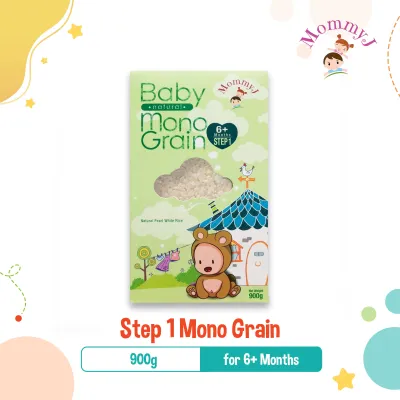
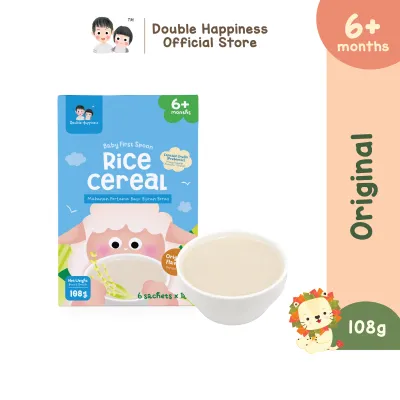
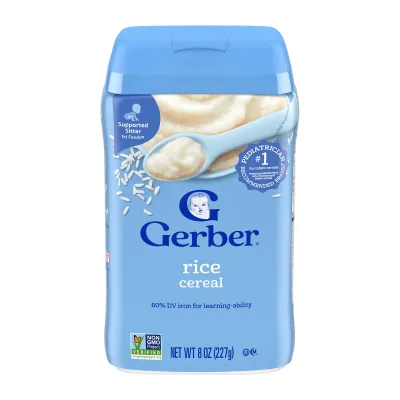
![[Ready SG Stock] Bellamys Organic Baby Rice Cereal / Porridge / Milk & Vanilla / Apple Cinna / Pumpkin Food Pouch 120g](https://img.lazcdn.com/g/p/ca1ec23ce2da1671a0f8cef18f04bd7e.jpg_400x400q80.jpg_.webp)
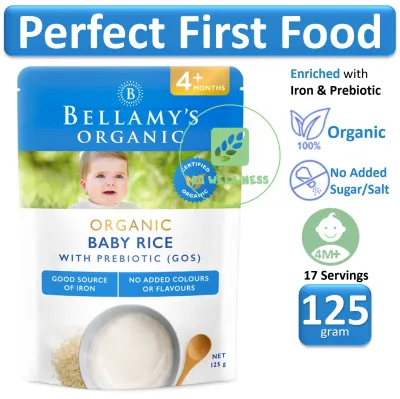
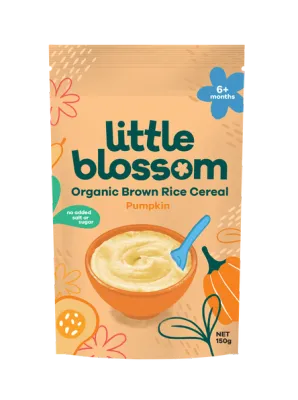
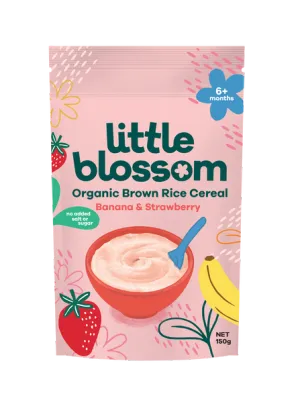
Prices are valid at publication and may change. Please refer to the product page for the latest price.
Recognizing Your Baby's Readiness for First Solids
Before purchasing any baby food, it is essential to determine if your infant is developmentally ready to transition to solid foods. Most babies reach this stage around six months of age, but individual timelines vary significantly.
Look for key physical indicators of readiness. Your baby should have strong head and neck control, allowing them to hold their head steady while sitting. They should also be able to sit upright with minimal support, either in a high chair or with slight assistance.
Another crucial sign is the disappearance of the tongue-thrust reflex. This natural reflex causes infants to push solid objects out of their mouths with their tongues. When this reflex diminishes, they can safely swallow pureed foods instead of pushing them back out.
Behavioral cues also play a major role. If your baby watches you eat with intense interest, reaches for food on your plate, or opens their mouth when a spoon approaches, they may be ready to begin.
Always consult your pediatrician or a qualified healthcare professional at a local clinic before introducing solids. A professional assessment ensures your baby’s digestive system and motor skills are sufficiently developed for this major dietary milestone.
Single-grain rice cereal is traditionally favored as a first food because it is highly digestible and rarely triggers allergic reactions. Its neutral flavor profile also makes it an excellent canvas for mixing with familiar liquids like breast milk or formula.
Key Criteria for Evaluating Rice Cereal Brands
When browsing the baby food aisles in Singapore, the sheer variety of rice cereal brands can be daunting. To make an informed choice, parents must evaluate products using a consistent set of nutritional and structural criteria.

Single-Grain vs. Multi-Grain Formulations
For the very first introduction to solids, single-grain rice cereal is highly recommended. Using a single grain allows you to isolate any potential food sensitivities or allergic reactions. Multi-grain blends, which may contain oats, barley, or wheat, should be reserved for later stages once your baby has successfully tolerated individual grains.
The Importance of Iron Fortification
Around six months of age, a baby’s natural iron stores accumulated during pregnancy begin to deplete. Since breast milk and standard infant formulas may not fully meet their growing iron requirements, choosing an iron-fortified rice cereal is critical. Check the nutritional information panel to verify the iron content per serving.
Identifying and Avoiding Additives
Carefully inspect the ingredient list for unnecessary additives. High-quality baby cereals should contain minimal ingredients, primarily the grain itself and essential vitamins and minerals. Avoid brands that include added sugars, sodium, artificial preservatives, synthetic flavors, or thickeners like starch.
Organic vs. Conventional Grains
Organic rice cereals are made from grains grown without synthetic chemical pesticides or fertilizers. While organic options offer peace of mind for many families, they often come at a premium, with prices ranging from S$8 to S$15 per box compared to conventional options that may cost around S$4 to S$7. Consider your family budget and personal preferences when deciding between the two, keeping in mind that nutritional adequacy and iron content are the primary priorities.
Decoding Ingredient Labels and Safety Disclosures
Reading baby food labels requires a discerning eye, as marketing claims on the front of the packaging do not always tell the whole story. Turning the box over to examine the ingredient list and nutritional panel is the most reliable way to verify what goes into your baby’s bowl.
Spotting Hidden Sugars and Fillers
Manufacturers sometimes use alternative names for sugars or complex carbohydrates to make their products taste more appealing to infants. Look out for ingredients like maltodextrin, corn syrup solids, sucrose, or concentrated fruit juices. These additives can contribute to unhealthy dietary habits and are unnecessary for early infant nutrition.
Understanding Heavy Metal and Agricultural Safety
Rice plants naturally absorb minerals from the soil, including trace amounts of heavy metals like arsenic. Because of this, safety disclosures are a major concern for parents. While you cannot completely eliminate these elements, you can look for brands that actively disclose their testing protocols or carry certifications from recognized international food safety authorities.
Verifying Allergen Cross-Contamination Warnings
Even if a rice cereal is naturally gluten-free, it may be processed in a facility that handles common allergens. Read the packaging carefully for precautionary statements such as “may contain traces of wheat” or “processed on shared equipment with milk and soy.” If your family has a history of severe food allergies, these disclosures are vital for preventing accidental exposure.
Where to Buy and How to Verify Authenticity in Singapore
Ensuring the authenticity and proper storage of baby food is just as important as choosing the right brand. In Singapore’s warm and humid climate, improper handling can quickly compromise the quality and safety of dry cereal.
Choosing Reliable Retail Channels
Purchasing from established physical supermarkets, major pharmacies, or official online brand stores is the safest way to guarantee product authenticity. These retailers maintain temperature-controlled supply chains and adhere to strict inventory rotation practices, reducing the risk of selling expired or degraded products.
Performing Physical Quality Checks
Before purchasing or opening a box of rice cereal, perform a thorough physical inspection. Check that the outer packaging is completely sealed, free of dents, punctures, or signs of moisture damage. Always verify the expiration date, ensuring the product has several months of shelf life remaining.
Navigating Online Marketplaces Safely
If you prefer shopping on general e-commerce platforms, exercise extra caution. Only buy from sellers designated as official brand stores or authorized local distributors. Read verified customer reviews, paying close attention to feedback regarding packaging quality, delivery speed, and product expiration dates. Avoid parallel imports from unverified sources, as their storage conditions during transit cannot be guaranteed.
Safe Preparation, Storage, and Feeding Practices
Proper preparation and storage are critical to protecting your baby from foodborne illnesses and ensuring they receive the full nutritional benefits of the rice cereal.
Achieving the Right Consistency
When first introducing rice cereal, the consistency should be very thin—almost like a liquid. Start by mixing one tablespoon of dry cereal with three to four tablespoons of liquid. As your baby becomes more adept at swallowing, you can gradually reduce the liquid to create a thicker, puree-like texture.
Selecting the Mixing Liquid
Always use expressed breast milk, prepared infant formula, or cooled, boiled drinking water to mix the cereal. Breast milk is highly recommended as it provides a familiar taste, which can make the transition easier for your baby. Never use raw cow’s milk or unboiled tap water, as these are unsafe for infants under one year old.
Strict Storage Guidelines
Once mixed, any leftover cereal must be discarded immediately after the feeding session. Bacteria from your baby’s saliva can transfer from the spoon to the bowl, multiplying rapidly at room temperature. For dry cereal, store the opened container in a cool, dry cupboard—never in the refrigerator, as the humidity can introduce moisture and encourage mold growth. Use the opened dry cereal within the manufacturer’s recommended timeframe, which is typically 30 days.
Monitoring for Adverse Reactions
Introduce rice cereal as a single new food and wait three to five days before introducing another. During this period, closely observe your baby for any signs of allergic reactions, such as skin rashes, hives, swelling around the face, vomiting, or sudden changes in bowel movements like severe constipation or diarrhea. If you notice any of these symptoms, stop feeding the cereal immediately and consult a healthcare professional.
Frequently Asked Questions (FAQ)
Can I mix rice cereal with fruit or vegetable purees right away?
It is best to wait until your baby has successfully tolerated plain rice cereal on its own for several days. Once you have confirmed that your baby has no adverse reactions to the rice cereal, you can begin introducing single-ingredient fruit or vegetable purees, such as apple, pear, or pumpkin. Mixing these purees into the cereal is an excellent way to introduce new flavors and textures gradually, but always ensure each new ingredient is introduced one at a time with a waiting period in between.
What should I do if my baby refuses the rice cereal?
Food refusal is a completely normal part of the transition to solids. If your baby rejects the spoon, try adjusting the consistency of the cereal to make it thinner and more familiar. You can also experiment with the temperature, serving it slightly warm or at room temperature. Ensure the feeding environment is calm and free of distractions. If your baby is teething, tired, or unwell, they may simply not be in the mood to try something new. Never force-feed your baby; instead, gently pause the attempt and try again a few days later when they are relaxed and alert.
Is it necessary to buy organic rice cereal for my baby?
Buying organic rice cereal is a personal choice rather than a strict nutritional necessity. Organic cereals are made from grains grown without synthetic pesticides, which some parents prefer to minimize chemical exposure. However, conventional rice cereals sold in Singapore must still comply with stringent food safety and residue limits. The most critical factor is ensuring the cereal is iron-fortified and free of added sugars or artificial additives, regardless of whether it carries an organic label. Choose the option that best fits your family’s budget and lifestyle.
Community discussion
Share your experience or ask a question. Comments are reviewed before publication.