
Selecting the right fruit puree brand for your baby in Singapore involves looking beyond attractive packaging and focusing on safety, ingredient transparency, and developmental suitability. While many international and local brands line the shelves of major supermarkets and specialty baby stores, the ideal choice is one that aligns with your child’s specific weaning stage and nutritional needs. Parents must learn to evaluate labels, verify sourcing, and understand how different textures support oral motor development. By establishing a systematic approach to assessing commercial baby food, you can confidently navigate the options available in the local market.
In Singapore’s warm, humid climate, food safety and proper storage are paramount. Commercial fruit purees offer convenience, but they also require careful handling from the retail shelf to your baby’s high chair. Understanding what goes into these pouches and jars, how they are processed, and where they are sourced will help you make informed decisions that support your baby’s health and transition to solid foods.
Key Standards for Evaluating Baby Fruit Puree Brands
When evaluating any baby fruit puree brand, the first step is to inspect the packaging for comprehensive manufacturer details. A reputable brand will clearly display the name of the manufacturer, the country of origin, and direct customer service contact information, such as a physical address, website, or consumer hotline. This transparency is crucial for accountability, allowing you to reach out directly if you have questions about batch testing, ingredient sourcing, or potential product recalls.
Products mentioned in this guide
![Gerber 1st Foods Applesauce Puree Baby Food 80G - From 6 Months [Carton of 6]](https://img.lazcdn.com/g/p/1eae385aa648134dffa8868708ceec36.jpg_400x400q80.jpg_.webp)
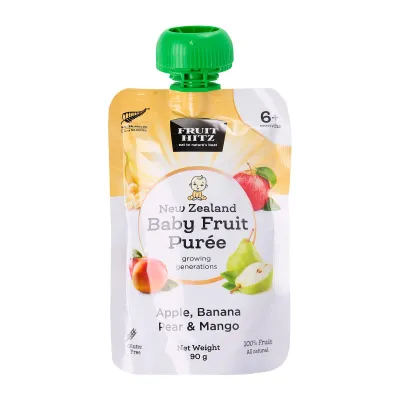
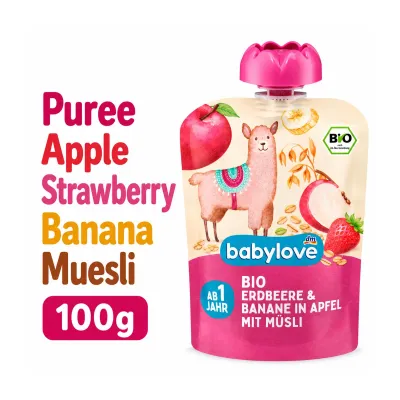
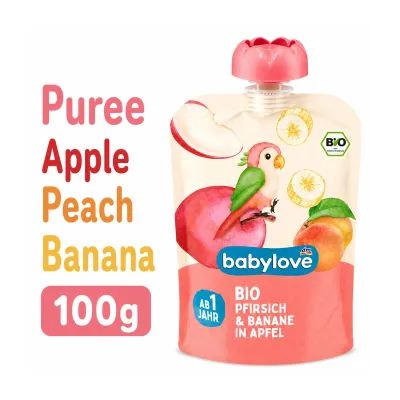
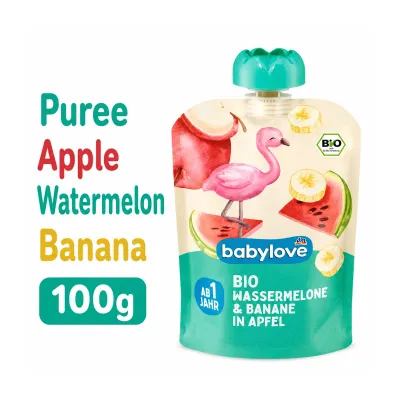
Prices are valid at publication and may change. Please refer to the product page for the latest price.
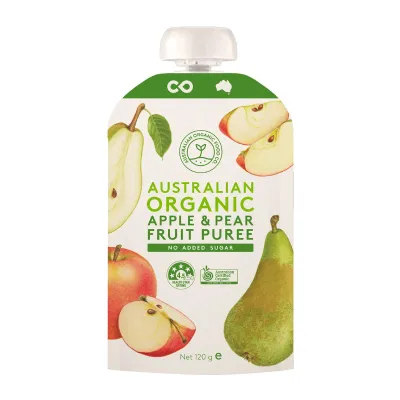
Parents should prioritize brands that explicitly state the absence of added sugars, salt, and artificial preservatives on their labels. Purees designed for infants should rely solely on the natural sweetness of the fruits themselves. Artificial preservatives, synthetic colors, and chemical flavorings are unnecessary and should be avoided in early childhood nutrition. Look for clear declarations such as “no added sugar” or “100% fruit” to ensure you are not introducing unnecessary additives to your baby’s developing digestive system.
Rather than relying on external marketing claims or promotional slogans, look for recognizable quality assurance marks and food safety certifications printed directly on the packaging. Certifications such as Hazard Analysis Critical Control Point (HACCP), Good Manufacturing Practices (GMP), or recognized organic logos (such as the USDA Organic, EU Organic, or Australian Certified Organic seals) indicate that the brand undergoes regular, independent audits. These standards verify that the manufacturing facilities maintain strict hygiene and safety protocols from raw ingredient sourcing to final packaging.
It is also beneficial to research the brand’s history of safety and quality control. A manufacturer that proactively shares its testing protocols for heavy metals, pesticides, and microbial contaminants demonstrates a high level of commitment to infant health. While local regulatory bodies monitor imported food products, choosing brands that voluntarily adhere to stringent international safety standards provides an extra layer of reassurance for parents.
Understanding Ingredient Labels and Nutritional Profiles
Reading the ingredient list is the most reliable way to verify what your baby is actually consuming. Ingredients are listed in descending order of weight, meaning the first few items make up the majority of the puree. If a fruit puree lists water, apple juice concentrate, or pear juice concentrate as the primary ingredient, the product may be highly diluted or sweetened. Ideally, the first ingredients should be the whole fruits themselves, such as organic banana, pear, or mango.

Parents must remain vigilant against hidden sugars and sweeteners that may be used to enhance flavor or alter consistency. Ingredients like fruit juice concentrates, fruit syrups, and deionized fruit juices are often added to make purees sweeter, but they behave similarly to added sugars in a baby’s body. Introducing highly sweetened purees early on can desensitize a baby’s palate to the natural, subtle flavors of vegetables and plain grains, potentially influencing their long-term dietary preferences.
For babies with sensitive systems or a family history of allergies, checking for allergen declarations and cross-contamination warnings is essential. Manufacturers are required to list common allergens, such as gluten, soy, dairy, eggs, and nuts, if they are present in the product. Additionally, look for precautionary statements like “processed in a facility that also handles wheat” if your baby has diagnosed food sensitivities. Verifying these details helps prevent accidental exposure to potential triggers.
Evaluating the nutritional panel also provides insight into the dietary value of the puree. Compare the dietary fiber, vitamin C, and natural sugar content across different brands. A high-quality fruit puree should retain a reasonable amount of the fruit’s natural fiber and nutrients, rather than being stripped down through excessive processing. Keep in mind that while fruit purees offer essential vitamins, they should be balanced with vegetable and protein sources to ensure a well-rounded diet.
Matching Puree Textures to Your Baby's Developmental Stage
Selecting the appropriate puree consistency is vital for your baby’s safety and oral motor development. For infants who are just beginning their weaning journey, typically around six months of age, smooth and finely blended purees are recommended. These single-ingredient, silky textures are easy to swallow and help the baby transition from a liquid diet of breast milk or formula to solid foods without overwhelming their swallowing reflex.
As your baby grows and demonstrates improved chewing and swallowing capabilities, you can gradually transition to thicker, mashed, or slightly lumpy textures. Many brands categorize their products into stages, such as Stage 1 for starters, Stage 2 for babies around seven to eight months, and Stage 3 for older infants. Stage 2 and 3 purees often feature complex flavor combinations and thicker consistencies that encourage babies to use their tongues and jaws to move food around their mouths, preparing them for table foods.
While manufacturer age guidelines on the packaging serve as a helpful starting point, they should not replace close observation of your baby’s individual readiness cues. Look for signs such as the ability to sit upright with minimal support, good head control, the disappearance of the tongue-thrust reflex, and an active interest in watching others eat. If your baby easily swallows smooth purees and shows curiosity about textured foods, they may be ready to progress to the next stage.
During any texture transition, safety must remain the top priority. It is normal for babies to experience mild gagging as they learn to manage new consistencies; gagging is a natural protective reflex that pushes food forward in the mouth. However, choking is a silent, life-threatening emergency. Caregivers must supervise every feeding session closely. If your baby consistently struggles, gags excessively, or refuses thicker textures, temporarily revert to a smoother consistency and consult your pediatrician or a pediatric feeding specialist for guidance.
Navigating Retail Channels and Verifying Authenticity in Singapore
To ensure the safety and authenticity of the baby food you purchase, prioritize established retail channels in Singapore. Major physical supermarkets, dedicated mother-and-baby specialty stores, and official brand storefronts on reputable e-commerce platforms are the safest options. These retailers typically have direct supply chains from authorized distributors, ensuring that the products are genuine and have been handled according to proper food safety standards.
Before purchasing any fruit puree, physically inspect the packaging for integrity. For pouches, gently squeeze the packaging to check for any micro-leaks, punctures, or unusual swelling, which can indicate bacterial contamination and spoilage. For glass jars, ensure the safety button on the metal lid is concave and does not pop up when pressed; a popped button indicates that the vacuum seal has been broken. Always verify that the expiration date is clearly legible and well into the future.
Avoid purchasing baby food from unauthorized third-party sellers, parallel importers, or unverified online listings. While these sources may offer lower prices, they often bypass official distribution channels, meaning there is no guarantee of how the products were stored or transported. Singapore’s tropical climate poses a significant risk; if baby food pouches are subjected to high temperatures in unconditioned warehouses or shipping containers, the ingredients can spoil rapidly, posing a severe health risk to your infant.
Additionally, buying from official local distributors ensures that you have recourse in the event of a product recall. Official distributors can quickly notify consumers and provide refunds or replacements. If you purchase from an anonymous online reseller, tracking the product’s batch number and obtaining support during a safety alert becomes extremely difficult, leaving you without critical safety updates.
Safe Storage and Feeding Practices for Commercial Purees
Proper storage is essential to maintain the hygiene and nutritional quality of commercial fruit purees. Unopened pouches and jars should be stored in a cool, dry pantry away from direct sunlight and heat sources. In Singapore’s humid environment, avoid storing baby food in cabinets directly adjacent to ovens, stoves, or refrigerators, where ambient temperatures can fluctuate significantly.
Once a fruit puree pouch or jar is opened, its shelf life decreases dramatically. Most manufacturers recommend consuming the opened product within 24 to 48 hours, provided it has been kept refrigerated. Always check the specific manufacturer’s instructions on the packaging for exact refrigeration limits. Mark the date and time of opening on the container with a marker to ensure you do not inadvertently feed your baby spoiled food.
To prevent bacterial contamination, never feed your baby directly from the pouch or jar if you plan to save a portion for later. Saliva contains enzymes and bacteria that, when introduced into the food container via a used spoon, will accelerate spoilage and compromise food safety. Instead, squeeze or spoon the desired portion into a clean, separate feeding bowl, and immediately recap and refrigerate the remaining portion in the original container.
Any leftover puree that has been in direct contact with your baby’s mouth, a used spoon, or has sat at room temperature for more than two hours must be discarded. Do not attempt to save or re-refrigerate these leftovers, as the risk of bacterial growth is high. Practicing strict hygiene during meal preparation protects your baby’s sensitive digestive system from foodborne illnesses.
Frequently Asked Questions (FAQ)
Can I mix commercial fruit puree with baby cereal or breast milk?
Yes, mixing commercial fruit puree with prepared baby cereal or breast milk is a common and safe practice. This combination can help introduce new flavors gradually, soften the texture of cereal, and add nutritional variety to your baby’s meal. When mixing, ensure that the final consistency remains appropriate for your baby’s current developmental stage. Always prepare the mixture immediately before serving, and discard any leftovers that your baby does not finish, as mixed foods spoil quickly once exposed to saliva.
How do I introduce a new fruit puree brand to my baby safely?
To introduce a new fruit puree brand safely, start by offering a single-ingredient puree that your baby has already tolerated from another source. This helps you isolate any potential reactions to the new brand’s specific processing or sourcing rather than the fruit itself. Follow the standard three-day waiting period before introducing any other new foods, monitoring your baby closely for signs of digestive discomfort, skin rashes, or unusual behavior. If your baby has a known history of food allergies or severe eczema, consult your pediatrician before introducing new brands or complex fruit blends.
Community discussion
Share your experience or ask a question. Comments are reviewed before publication.