
Quick Answer: Identifying Reliable Corner Guard Brands
To secure a safe home environment for crawling infants and toddlers in Singapore, selecting a reliable corner guard brand requires looking past marketing claims. A trustworthy brand is defined by three pillars: verified material safety, balanced physical performance, and transparent manufacturing standards. Parents should prioritize brands that explicitly state their materials are free from harmful plasticizers, heavy metals, and toxic flame retardants. The ideal corner guard must offer sufficient impact absorption to cushion falls while utilizing a secure, non-toxic adhesive that resists curious little fingers without ruining furniture finishes. Rather than relying on generic bulk listings, look for brands that provide clear product labeling, traceable manufacturing origins, and consistent, verified buyer feedback on local e-commerce platforms. Remember that corner guards are supplementary safety measures; they do not replace active caregiver supervision, and parents must regularly verify that they remain securely attached.
Essential Safety and Material Specifications to Verify
When baby-proofing a home, the chemical composition of safety products is just as critical as their physical cushioning. Babies frequently explore their environment using their mouths, making corner guards a prime target for chewing and biting. Therefore, the first step in evaluating any brand is verifying its material safety claims and chemical disclosures.

Look for brands that clearly specify the exact polymers used in their products. Common materials include food-grade silicone, high-density nitrile rubber (NBR), and BPA-free polyvinyl chloride (PVC). Reliable manufacturers will explicitly state that their products are free from bisphenol A (BPA), phthalates, lead, and other heavy metals. Avoid products that simply use vague terms like “soft plastic” or “eco-friendly foam” without detailing the actual material.
Products mentioned in this guide
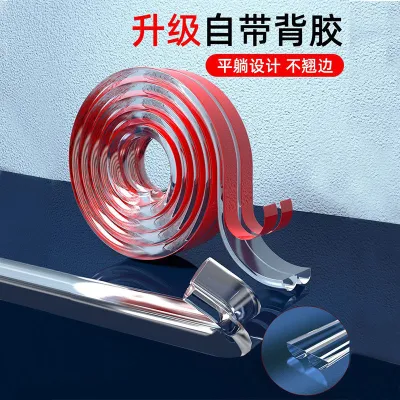
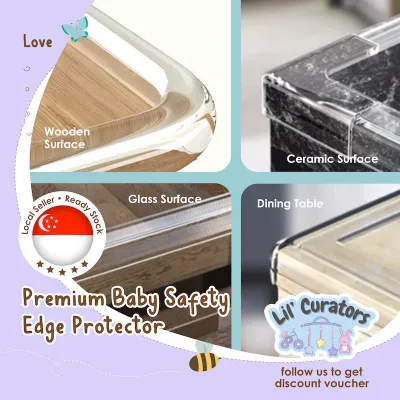
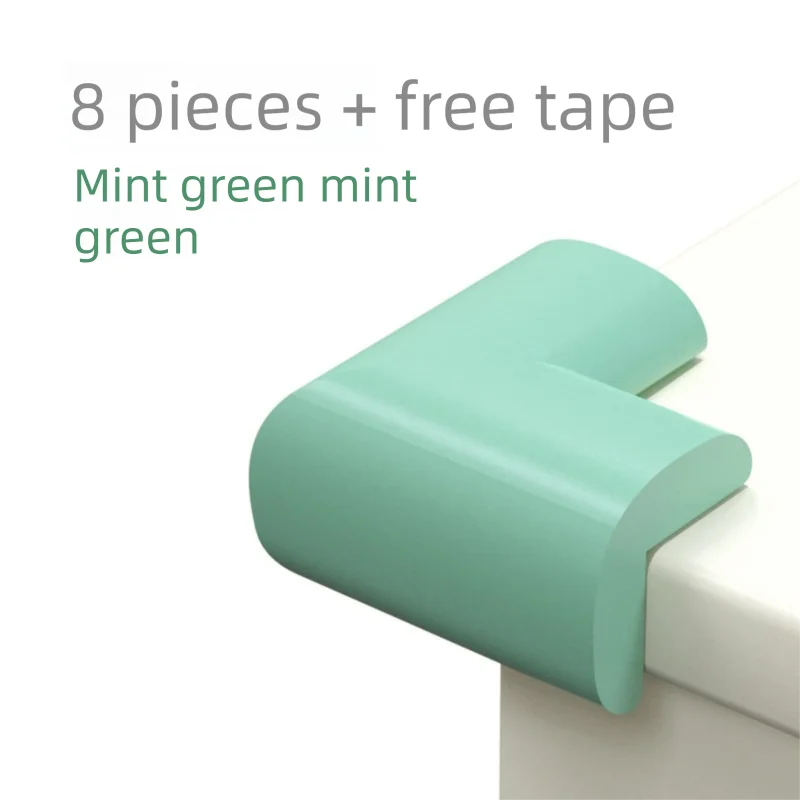
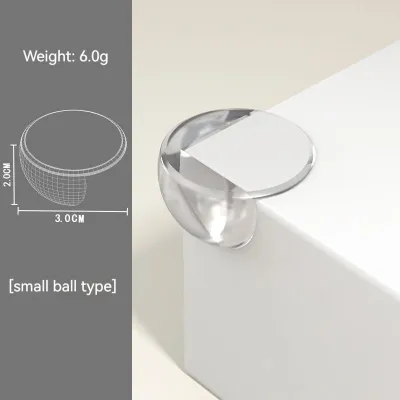
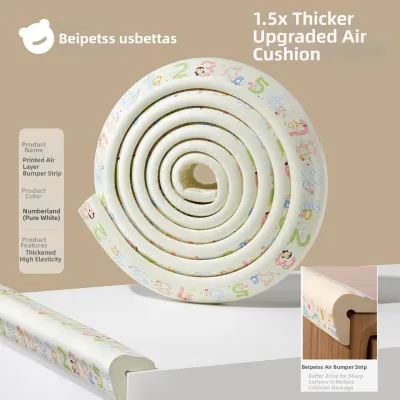
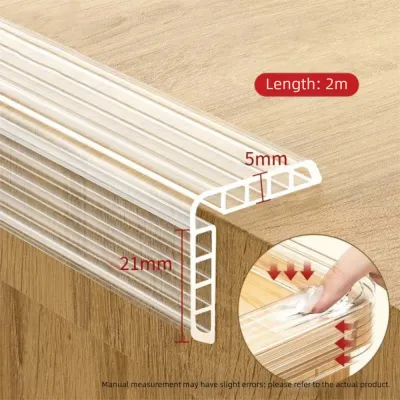
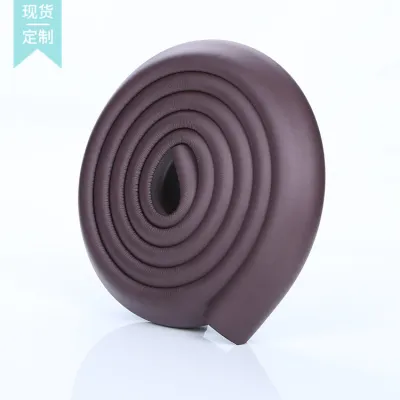
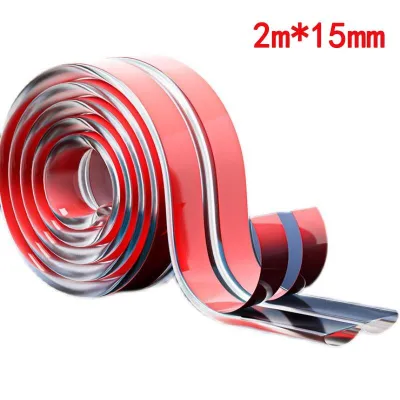
Prices are valid at publication and may change. Please refer to the product page for the latest price.
Check the product packaging and manufacturer documentation for compliance with recognized international safety standards. While you should verify these claims independently, reputable brands often reference standards such as EN 71 (the European standard for toy safety) or REACH regulations. These frameworks restrict the use of hazardous substances in children’s products, providing an extra layer of reassurance for parents.
Adhesive safety is another critical, yet frequently overlooked, dimension. The adhesive backing must be formulated for household use, ensuring it does not release volatile organic compounds (VOCs) or leave behind toxic chemical residues as it degrades over time. High-quality brands often partner with established adhesive manufacturers to provide double-sided tapes that are both strong and chemically stable.
Upon receiving your corner guards, perform a physical inspection before installation. High-density materials should feel firm yet resilient when squeezed, immediately springing back to their original shape. If a foam guard collapses completely under light finger pressure, it will not provide adequate deceleration during a real impact.
Pay close attention to sensory cues, particularly smell. A strong, pungent, or gasoline-like chemical odor is a major warning sign. While a mild, temporary manufacturing scent is normal for newly unpacked plastics, a persistent, noxious chemical smell indicates poor curing processes or the presence of volatile plasticizers. Such products should be returned immediately and not placed within reach of children.
Matching Brand Design Features to Your Furniture Types
No single corner guard design fits every piece of furniture in a typical Singaporean home. From low-lying wooden coffee tables to sleek glass dining sets, different surfaces and heights require distinct protective profiles. Understanding how to match a brand’s design features to your specific furniture is key to creating an effective safety barrier.
For low-level furniture like coffee tables, TV consoles, and bed frames, thick, high-density foam guards are generally a highly effective choice. These areas are directly in the fall zone of toddlers who are learning to stand or cruise. The generous thickness of nitrile rubber (NBR) foam provides substantial shock absorption, dispersing the force of sudden impacts over a wider surface area to prevent serious bruising or cuts.
Conversely, dining tables, desks, and countertops benefit from slim, transparent silicone or PVC guards. These surfaces sit higher up, posing a risk to older toddlers who are running or walking. Transparent guards offer a more discreet profile that blends well with glass, marble, or polished wood, preserving the aesthetic appeal of your living space while still rounding off sharp, dangerous corners.
Choosing between visual discretion and maximum impact protection involves a clear trade-off. While clear silicone guards are visually unobtrusive, they are inherently firmer and thinner than their foam counterparts. They excel at preventing lacerations from sharp edges but offer less deceleration during a heavy impact. Opaque foam guards provide superior cushioning but are highly visible and may tempt curious toddlers to pull or bite them.
Evaluate how a brand approaches adhesive application. Some brands supply corner guards with pre-applied adhesive tape, while others require you to cut and apply the tape manually. Pre-taped options save significant installation time and ensure even coverage, which is crucial for maintaining a secure bond. However, manual application allows you to customize the tape placement, which can be advantageous for irregular or narrow furniture edges.
Consider the compatibility of the adhesive with different furniture finishes. Raw, unsealed wood requires a highly tacky adhesive to grip the porous fibers, but this can make eventual removal difficult. Delicate wood veneers and laminates are prone to peeling, meaning you need an adhesive that balances strong lateral hold with clean release properties. Glass and metal surfaces are non-porous and require high-tack, moisture-resistant adhesives to prevent sliding over time.
Evaluating Brands on Online Marketplaces
Navigating local e-commerce platforms and online marketplaces in Singapore requires a critical eye to separate reliable safety brands from low-quality imitations. Because corner guards are relatively simple products, the market is flooded with unbranded, mass-produced options that prioritize low cost over safety and durability.
When browsing online listings, bypass the promotional images and dive straight into the customer review section. Look specifically for detailed feedback regarding adhesive performance over time. If multiple reviews mention that the guards fell off within a few days or were easily peeled away by a one-year-old, the brand’s adhesive is inadequate. A loose corner guard not only fails to protect against impacts but also becomes a dangerous choking hazard if a child puts it in their mouth.
Pay close attention to reviews that discuss the removal process. Parents often share photos of ruined furniture finishes, torn wood veneers, or stubborn adhesive residues that refuse to come off. While a strong bond is necessary, a brand that damages your home during removal indicates a poorly formulated adhesive that lacks the engineering required for residential use.
Investigate the seller’s profile and credentials before making a purchase. Reliable brands typically sell through official flagship stores or authorized distributors on local platforms. Check if the seller provides comprehensive product descriptions, clear dimensions, and responsive customer service. Send a quick inquiry asking about the material composition or safety certifications; a reputable seller will provide prompt, detailed answers, whereas an unreliable one may offer vague or automated responses.
Be highly skeptical of excessively cheap bulk packages that offer dozens of corner guards for a fraction of the average market price. These unbranded products rarely come with traceable manufacturer details, material safety data sheets, or clear instructions. Saving a few dollars on bulk packs is not worth the risk of exposing your child to untested plastics that may contain restricted phthalates or heavy metals.
Verify the return and refund policies of the online store. Since physical inspection is only possible after delivery, you want the flexibility to return products that arrive with strong chemical odors, insufficient density, or poor adhesive quality. A seller that offers hassle-free returns demonstrates confidence in their product’s quality and respects consumer safety standards.
Installation, Inspection, and Removal Protocols
Even a high-quality corner guard brand will fail if it is installed incorrectly or left unmaintained. Proper application, regular safety checks, and careful removal are essential to maximize the lifespan of the product and protect both your child and your furniture.
Before applying any adhesive, thorough surface preparation is mandatory. Dust, oils, and household polish residues will severely compromise the bond, leading to premature peeling. Clean the furniture corner with a mild soap solution or a mixture of water and isopropyl alcohol, depending on what is safe for your specific furniture finish. Ensure the surface is completely dry before pressing the corner guard firmly into place, holding pressure for at least thirty seconds to activate the adhesive.
Once installed, allow the adhesive to cure fully before allowing your child near it. Most high-quality adhesives require twenty-four hours to reach their maximum bonding strength. Restricting access during this curing window prevents early displacement, which is the leading cause of long-term adhesive failure.
Establish a weekly routine inspection schedule for all corner guards in your home. Children are naturally curious and may attempt to pull, kick, or bite the guards. Check each protector for signs of loosening edges, tearing, or deep bite marks. If a foam guard is damaged or shows signs of crumbling, it must be replaced immediately, as small pieces of foam pose a severe choking hazard to young children.
When your child outgrows the need for corner guards, removing them safely requires patience to avoid stripping paint or wood veneer. Do not attempt to rip the guards off forcefully. Instead, use a household hair dryer on a low, warm setting to gently heat the adhesive backing. The heat softens the polymer bond, allowing you to slowly peel the guard away from the corner.
To clean up any remaining sticky residue, apply a small amount of vegetable oil, baby oil, or a dedicated adhesive remover to a soft cloth. Gently rub the residue in a circular motion until it lifts off the surface. Wipe the area clean with a damp cloth and mild soap to restore your furniture’s original finish without leaving any chemical traces behind.
Frequently Asked Questions (FAQ)
Are transparent corner guards as protective as thick foam ones?
Transparent corner guards made of silicone or PVC are highly effective at preventing cuts and lacerations from sharp edges, but they do not offer the same level of impact deceleration as thick foam guards. High-density foam (such as NBR) compresses significantly under force, absorbing and dispersing the energy of a heavy fall. Use thick foam guards on low-level furniture where toddlers are highly likely to fall directly onto corners, and reserve slim, transparent guards for higher dining tables or glass surfaces where visual discretion is preferred and the risk of direct, high-velocity falls is lower.
How can I test if a brand's adhesive will damage my furniture?
To protect your furniture’s finish, always perform a spot test before applying corner guards extensively. Select an inconspicuous area, such as the underside of a table or the back of a furniture leg. Apply a small piece of the brand’s adhesive tape to this hidden spot and leave it for twenty-four to forty-eight hours. Carefully peel it off using a warm hair dryer to soften the bond. Inspect the surface for any signs of paint lifting, veneer peeling, discoloration, or sticky residue that cannot be easily wiped away.
When should I replace my baby's corner guards?
Corner guards should be replaced immediately if they show any signs of physical degradation. Inspect them regularly for peeling edges, loss of adhesive stickiness, deep cracks, or visible bite marks. Foam guards that have become brittle, soft, or have chunks missing present an immediate choking hazard and must be discarded. Additionally, if your child has figured out how to peel a specific guard off repeatedly, the adhesive bond is compromised, and you should replace it with a fresh guard after thoroughly cleaning the surface.

Community discussion
Share your experience or ask a question. Comments are reviewed before publication.