
When infants transition from crawling to pulling themselves up, household cabinets quickly become prime targets for exploration. In Singapore, where modern built-in kitchen cabinets and low-lying TV consoles are standard features in most apartments, securing these spaces is a critical step in home safety. Finding reliable cabinet locks requires understanding how local environmental factors, such as high humidity, interact with different materials and locking mechanisms. By focusing on durable designs, robust adhesives, and child-resistant engineering, caregivers can establish a secure environment that keeps curious hands away from household hazards.
Quick Answer: Core Criteria for Reliable Cabinet Lock Brands
Selecting a reliable baby cabinet lock brand involves balancing toddler-resistant security with daily convenience for adults. A trustworthy brand should offer robust locking mechanisms that require multi-step actions or specialized tools, such as magnetic keys, which are difficult for young children to bypass. Because Singapore’s tropical climate features consistently high relative humidity, the quality of the adhesive backing is paramount; standard adhesives often degrade quickly in warm, moist air, leading to premature failure. Caregivers should look for brands that utilize high-performance, temperature-resistant adhesives and non-toxic, BPA-free plastics. Additionally, verifying safety compliance marks and reading verified buyer reviews on local ecommerce platforms can help identify brands with a proven track record of durability and ease of use.
Key Features to Evaluate When Choosing Cabinet Locks
To choose the right cabinet locks, caregivers must evaluate several critical design and material features that directly impact performance and longevity.
Products mentioned in this guide
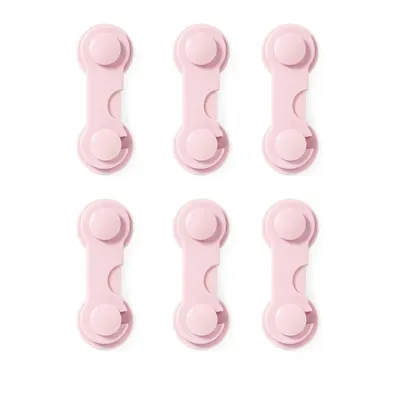
![[SG Local Stock] Baby Safety Lock Childrens Anti-pinch Safety Lock Catch Anti-collision Premium Safety Locks Self-adhesive Baby Safety Buckle For Cabinet Drawer Fridge Door Wardrobe Children Day Gifts](https://img.lazcdn.com/g/p/638abdf5a97199a85681991ebc624026.jpg_400x400q80.jpg_.webp)
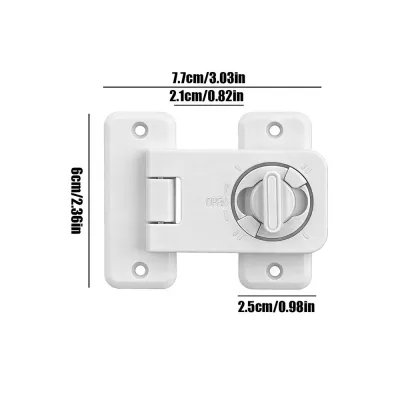
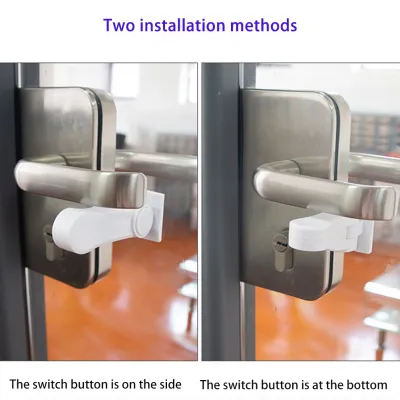
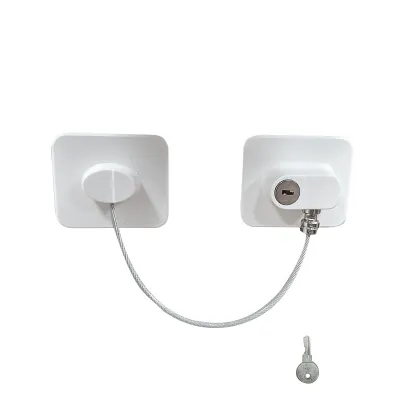
![[SG] Child Safety Door Locks Baby Safety Lock Fridge Drawer Cabinet Deadbolt Lock for Children Toilet Safety Lock](https://img.lazcdn.com/g/p/133984ff873f2d7aa9297e69e397eca3.jpg_400x400q80.jpg_.webp)
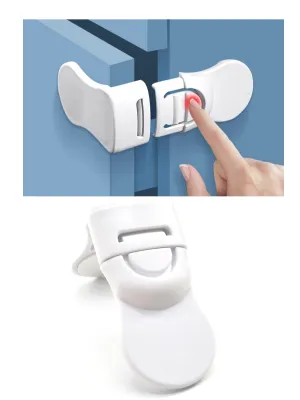
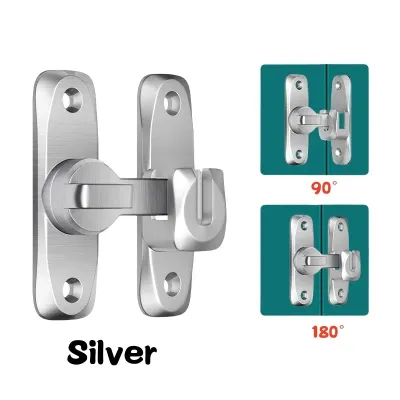
Prices are valid at publication and may change. Please refer to the product page for the latest price.

Locking Mechanisms and Toddler Resistance The primary function of any cabinet lock is to resist toddler manipulation. Children are highly observant and quickly learn by watching adults. Therefore, mechanisms that require dual-action movements—such as pressing a button while sliding a latch, or squeezing two release points simultaneously—provide a higher level of security. Simple single-press buttons are often figured out quickly by older toddlers. Magnetic locks offer an excellent alternative by keeping the locking mechanism completely hidden inside the cabinet, removing any visual cue that might tempt a child to pull or pry at the door.
Material Durability and Adhesive Quality The materials used in cabinet locks must withstand constant daily pulling and tugging. High-quality brands typically use thick, impact-resistant ABS or structural plastics that do not bend or crack under pressure. For adhesive-mounted locks, the backing material is just as critical as the plastic itself. In Singapore’s humid environment, standard foam tapes can slide or lose their grip over time. Look for brands that specify heavy-duty, acrylic-based adhesives designed to bond securely to common cabinet surfaces like laminate, varnished wood, glass, and metal without leaving permanent damage upon removal.
Balancing Security with Caregiver Convenience While maximum child-resistance is the goal, locks must remain practical for daily adult use. In high-traffic areas like kitchens, a lock that is excessively difficult or tedious for an adult to open can lead to frustration, resulting in caregivers leaving the cabinets unlocked entirely. Some modern lock designs feature a temporary deactivation mode, allowing doors to open freely during meal preparation and then re-engaging the lock once cooking is finished. Evaluating how often a cabinet is accessed will help determine whether an invisible magnetic lock, a flexible strap lock, or an external sliding latch is the most practical choice for each specific location.
Comparing Common Types of Baby Cabinet Locks
Different cabinet designs and household layouts require specific types of locking mechanisms. Understanding the strengths and limitations of each type ensures that every cabinet and drawer is secured effectively.
Magnetic Locks Magnetic locks are installed entirely inside the cabinet or drawer, making them completely invisible from the outside. They utilize a strong spring-loaded latch that only releases when a matching magnetic key is placed against the exterior of the cabinet door. This design preserves the aesthetic appeal of home furniture and prevents children from pulling on the lock itself. However, they require precise alignment during installation and are limited by the thickness of the cabinet door, typically functioning best on wood or laminate panels that do not exceed a specific thickness.
Adhesive Strap Locks Adhesive strap locks consist of a flexible plastic or silicone strap anchored by two adhesive pads. They are highly versatile and can be installed around corners, on curved surfaces, and across gaps. This makes them ideal for securing drawers, refrigerators, microwave ovens, and sliding doors. Because they require no drilling, they are a popular choice for rental properties in Singapore. The main drawback is their high visibility, which can attract a child’s attention, and the potential for the flexible strap to stretch or wear out over months of heavy use.
Sliding Latch Locks Sliding latch locks, often designed as U-shaped bars or internal sliding mechanisms, are highly effective for securing double-door cabinets. External U-shaped latches slide through cabinet knobs or D-shaped handles and lock into place, preventing the doors from being pulled apart. They are exceptionally easy to install and remove without tools, making them highly portable. However, they are highly visible and can only be used on cabinets with adjacent handles or knobs. Internal sliding latches, on the other hand, are mounted inside the cabinet frame and may require screws or heavy-duty adhesive, offering a more permanent and discreet solution for heavy drawers or cabinets containing hazardous items.
| Lock Type | Installation Effort | Visibility | Best Suited For | Key Limitation |
|---|---|---|---|---|
| Magnetic Locks | Moderate (requires alignment) | Invisible (internal) | Standard wooden/laminate cabinets and drawers | Door thickness limits; requires keeping track of the magnetic key |
| Adhesive Strap Locks | Low (peel-and-stick) | High (external) | Appliances, drawers, corner cabinets, and curved surfaces | Can be visually distracting; adhesive may degrade in high humidity |
| Sliding Latch Locks | Low to Moderate | High (external) or Low (internal) | Double-door cabinets with knobs/handles or heavy drawers | External types only work with specific handle configurations |
How to Vet Cabinet Lock Brands on Local Online Marketplaces
When shopping for baby proofing products on local ecommerce platforms in Singapore, caregivers are faced with a vast array of brands and unbranded options. Vetting these products carefully is essential to avoid low-quality locks that fail when put to the test.
Analyzing Verified Buyer Reviews Customer reviews are a valuable resource, but they must be analyzed critically. Look specifically for long-term feedback rather than initial impressions written immediately after installation. Search the reviews for mentions of adhesive failure, especially in kitchen environments where cooking heat and steam increase humidity. Pay attention to reports of mechanisms jamming, plastic parts snapping, or older toddlers successfully bypassing the lock. A pattern of reviews indicating that the adhesive failed within a few weeks is a strong indicator of poor quality.
Verifying Safety Certifications and Compliance Reliable brands often design their products to meet international safety standards, such as European (EN) or American (ASTM) standards for child safety devices. While cabinet locks do not always carry mandatory local certifications, reputable manufacturers will highlight compliance with these standards on their packaging or product listings. Look for mentions of non-toxic, lead-free, and BPA-free materials, as young children may attempt to chew on external lock components.
Avoiding Unbranded and Ultra-Cheap Options It can be tempting to purchase bulk packs of unbranded cabinet locks at extremely low prices. However, these products often lack quality control, resulting in brittle plastics that break easily under tension. Furthermore, cheap locks frequently use low-grade adhesives that dry out and fail quickly in Singapore’s climate, or conversely, use industrial glues that can permanently ruin cabinet finishes upon removal. Investing in established baby safety brands ensures better material consistency, reliable adhesive performance, and responsive customer support if replacement parts are needed.
Installation, Maintenance, and Safety Boundaries
Proper installation and ongoing maintenance are just as important as choosing a high-quality brand. Even the strongest lock will fail if it is not applied correctly or if wear and tear are ignored.
Surface Preparation for Adhesive Locks To ensure a long-lasting bond, the cabinet surface must be prepared meticulously before applying any adhesive lock. Start by cleaning the area thoroughly with a mild degreasing agent or rubbing alcohol to remove dust, grease, and cooking oil residue, which are common in Singapore kitchens. Allow the surface to dry completely. When applying the adhesive pad, press firmly and hold it in place for at least 30 seconds to activate the pressure-sensitive bond. Crucially, allow the adhesive to cure without any load or pulling for at least 24 hours to achieve maximum strength.
Routine Maintenance and Inspections Cabinet locks are subject to constant stress from daily use and enthusiastic toddlers. Caregivers should perform routine checks at least once a month. Inspect plastic straps for signs of fraying, cracking, or discoloration. Check the edges of adhesive pads to ensure they are not lifting or peeling away from the cabinet surface. For magnetic and mechanical latches, test the sliding parts to ensure they move smoothly without sticking or jamming, which could prevent the lock from engaging fully when the door is closed.
When to Stop Use and Replace Locks No baby proofing device is permanent. Caregivers must be prepared to replace locks immediately if any structural damage is detected, such as cracked plastic or a loose latch mechanism. If a child successfully figures out how to bypass a specific lock, or if they grow strong enough to pull an adhesive lock off the cabinet, it is time to upgrade to a more secure system, such as a screw-mounted latch or a hidden magnetic lock. Additionally, once children reach an age where they understand safety instructions and no longer attempt to access restricted cabinets, the locks can be safely removed.
Frequently Asked Questions (FAQ)
Are magnetic cabinet locks safe for all cabinet types?
Magnetic cabinet locks are highly effective, but they are not universally compatible with every cabinet design. These locks rely on a magnetic field to pull back an internal latch, which means they require a specific maximum wood or laminate panel thickness—typically between 25mm and 38mm, depending on the brand’s specifications—to function properly. If your cabinet doors are exceptionally thick or made of solid hardwood, the magnetic key may not be strong enough to disengage the lock. Additionally, magnetic locks are generally not suitable for metal cabinets, as the metal can interfere with the magnetic field, nor are they compatible with glass doors or frameless cabinet designs without specialized adapters provided by the manufacturer.
When is the right time to start baby-proofing cabinets?
The ideal time to install cabinet locks is before your baby becomes mobile. This typically occurs around six months of age, just as they begin crawling, scooting, or pulling themselves up to a standing position. Installing the locks early allows caregivers to adapt to the new routine of unlocking and locking cabinets before it becomes an urgent safety necessity. As children grow taller, stronger, and develop advanced problem-solving skills, they may begin to manipulate simpler locks. Caregivers should regularly reassess their home security setup and upgrade to more complex or hidden locking mechanisms as their child’s physical and cognitive abilities progress.
How do I remove adhesive cabinet locks without damaging the wood?
Removing adhesive cabinet locks without damaging the underlying wood or laminate finish requires patience and the right technique. To begin, apply gentle heat to the adhesive pad using a hairdryer on a low or medium setting for one to two minutes. This softens the adhesive, making it pliable. Slowly and carefully peel the lock away from the cabinet surface, pulling parallel to the wood grain to minimize the risk of lifting the varnish or veneer. For any stubborn residue left behind, use a mild, wood-safe adhesive remover or a small amount of vegetable oil on a soft microfiber cloth. Avoid using harsh chemical solvents, abrasive scrubbing pads, or sharp metal tools, as these can easily scratch, discolor, or strip the protective finish off your cabinetry.
Community discussion
Share your experience or ask a question. Comments are reviewed before publication.