
Finding the right yogurt for your child in Singapore’s supermarkets involves looking past colorful cartoon packaging and focusing on the nutrition information panel. The most suitable options for growing children are generally plain, unsweetened, whole-milk yogurts that provide essential nutrients like calcium and protein without unnecessary additives. By learning how to evaluate ingredients and understand nutritional thresholds, you can confidently select products that support your child’s development and digestive health.
While the dairy aisle offers an overwhelming variety of squeeze pouches, tubs, and drinking yogurts, many products marketed directly to children contain high levels of added sugar. Navigating these options requires a systematic approach centered on nutritional quality, age appropriateness, and safe handling practices. This guide establishes a clear framework to help you evaluate yogurt options on Singapore’s grocery shelves and build a healthy nutrition plan for your family.
Key Nutritional Standards for Children's Yogurt
Establishing core criteria for evaluating yogurt allows you to quickly filter out products that are more akin to desserts than nutritious snacks. The primary nutritional components to analyze on any food label are sugar content, protein and calcium levels, and the presence of active bacterial cultures.
Products mentioned in this guide
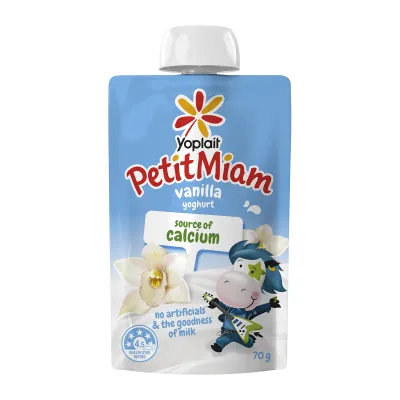
![[Bundle of 2] Little Freddie Organic Baby Dairy Free Yogurt - Banana & Raspberry Coconut Yogurt 90g](https://img.lazcdn.com/g/p/a6a0b99418a25f8ffe60ebef99ebb576.png_400x400q80.png_.webp)
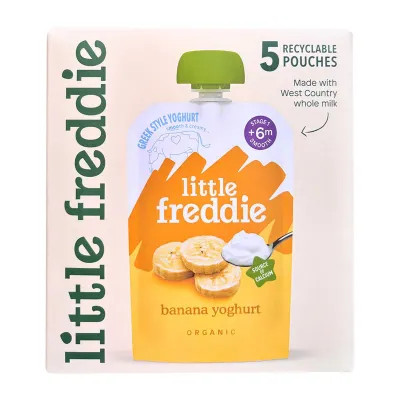
![[Bundle of 2] Little Freddie Organic Baby Yogurt - Creamy Blueberry & Banana Greek Style Yoghurt 100g](https://img.lazcdn.com/g/p/13c4a334bd7c1a4cbd0dc5fa19f804d7.png_400x400q80.png_.webp)
Prices are valid at publication and may change. Please refer to the product page for the latest price.
When checking the nutrition information panel, distinguishing between natural and added sugars is your first priority. Yogurt naturally contains lactose, a milk sugar that typically accounts for about 4g to 6g of sugar per 100g of plain yogurt. Any sugar content beyond this baseline usually indicates added sweeteners, such as cane sugar, fruit juice concentrates, or syrups. For children, aim for products with a total sugar content of less than 10g per 100g. Minimizing added sugar early in life helps protect developing teeth from decay and prevents children from developing a strong preference for overly sweet foods.
Protein and calcium are fundamental for your child’s skeletal growth and muscle development. A high-quality yogurt should serve as an efficient source of these nutrients. When comparing products, look for those that provide a substantial amount of calcium per serving, ideally meeting a significant portion of your child’s daily developmental needs. Dietary fat is also crucial; infants and toddlers under two years old require the energy and essential fatty acids found in whole-fat dairy products to support rapid brain development. Unless specifically advised by a pediatrician or pediatric dietitian, avoid serving low-fat or fat-free yogurts to children in this younger age bracket.
Probiotics and live cultures are another key benefit of high-quality yogurt. These beneficial bacteria support digestive health and help maintain a balanced gut microbiome. To ensure your child receives these benefits, verify that the product packaging explicitly states it contains “live and active cultures.” Some products undergo heat treatment after fermentation, which kills these beneficial bacteria and eliminates the probiotic advantages. Checking for clear labeling regarding active cultures ensures you are purchasing a living, nutrient-dense food.
Age-Specific Considerations and Safety Checks
A child’s nutritional requirements and physical capabilities change rapidly during their early years. Yogurt texture, ingredient safety, and portion sizes must be carefully matched to your child’s specific developmental stage.

For infants and toddlers aged 6 months to 2 years, yogurt can be introduced as a complementary food once they have started accepting solid foods. At this stage, prioritize pasteurized, unsweetened, whole-milk yogurt. Pasteurization is a critical safety standard that eliminates harmful bacteria, making the dairy safe for immature immune systems. You must observe a strict safety warning regarding honey: never serve yogurt sweetened with honey to any child under 12 months of age due to the serious risk of infant botulism. Additionally, ensure the yogurt has a completely smooth texture, free from large fruit chunks, seeds, or firm mix-ins that present immediate choking hazards to young eaters.
As children transition into the preschool years and beyond, their chewing abilities and flavor acceptance expand. While they can handle a wider variety of textures, including yogurts mixed with soft fruit pieces or grains, managing portion sizes remains essential. Yogurt should remain a structured snack rather than an all-day grazing option. Preschoolers can easily consume excess calories if allowed to eat directly from large multi-serve tubs, so portioning the yogurt into small, dedicated bowls helps maintain balanced dietary habits.
Food allergies and intolerances require careful vigilance when introducing dairy products. Cow’s milk protein allergy is an immune system response that can cause symptoms such as hives, swelling, vomiting, or breathing difficulties. Lactose intolerance, conversely, is a digestive difficulty in breaking down milk sugars, resulting in bloating, gas, or mild diarrhea. If you observe any adverse reactions after your child consumes yogurt, stop serving the product immediately and consult a qualified pediatrician to obtain an accurate diagnosis and tailored dietary advice.
How to Read Yogurt Labels and Avoid Marketing Traps
Food marketing can easily mislead well-intentioned parents. Packages adorned with cartoon characters, promises of “natural” ingredients, or claims of being “specially formulated for growth” require careful verification against the actual ingredient list and nutrition panel.
Always begin by reading the ingredient list, which is organized in descending order by weight. The first ingredient should always be milk, cream, or a reconstituted dairy equivalent, followed closely by live cultures. If sugar, organic cane sugar, fruit juice concentrate, or corn syrup appears as one of the first three ingredients, the product contains a high proportion of added sweeteners. Be aware that manufacturers often use multiple names for sugar—such as dextrose, fructose, maltodextrin, or anhydrous dextrose—to distribute the sweeteners throughout the list and make them appear less prominent.
Marketing terms like “kid-specific” or “toddler-approved” carry no standardized nutritional definitions. A yogurt labeled as “organic” or “made with real fruit” can still contain as much sugar as a standard chocolate dessert. Similarly, a “no added sugar” claim on a flavored yogurt often means the product has been sweetened with highly concentrated fruit juices, which still elevates the total sugar content and trains your child’s palate to prefer intense sweetness. The only reliable way to verify these claims is to cross-reference them with the sugar grams listed on the nutrition information panel.
Thickeners, stabilizers, and preservatives are frequently added to commercial yogurts to improve shelf life and create a artificially creamy texture. Common additives include gelatin, pectin, modified food starch, and locust bean gum. While these ingredients are generally recognized as safe, they are unnecessary in high-quality yogurt. Synthetic food colorings and artificial flavorings should also be avoided, as they provide no nutritional value and may cause sensitivities in some children. Choosing products with the shortest possible ingredient list is a reliable strategy for finding clean, wholesome options.
Building Your Shortlist: Comparing Yogurt Types and Formats
When browsing the dairy aisle of physical supermarkets or online grocery stores in Singapore, you will encounter several distinct styles of yogurt. Understanding the differences between these formats helps you build a practical shortlist tailored to your child’s needs.
Greek yogurt differs from traditional yogurt because it undergoes a straining process to remove the liquid whey. This results in a much thicker, creamier texture and a significantly higher concentration of protein. However, the straining process also concentrates the natural acidity, giving Greek yogurt a tart flavor that some young children may initially reject. Traditional yogurt retains its whey, making it runnier, milder in taste, and slightly lower in protein. For infants starting solids, the smooth, easily swallowable consistency of traditional plain yogurt is often highly acceptable, while older, active toddlers can benefit from the higher protein content of plain Greek yogurt.
Choosing between plain and pre-flavored yogurt involves a clear trade-off between convenience and nutritional control. Pre-flavored yogurts, such as strawberry, vanilla, or blueberry, offer grab-and-go convenience but almost always carry a high sugar load. Purchasing plain, unsweetened yogurt and flavoring it at home is a far healthier approach. You can easily stir in fresh, ripe banana puree, unsweetened applesauce, or mashed berries. This method allows you to control the exact amount of sweetness while introducing your child to genuine fruit flavors and beneficial dietary fiber.
For families managing dairy allergies, lactose intolerance, or following a plant-based diet, alternative yogurts made from coconut, soy, oat, or almond milk are widely available. When selecting plant-based alternatives, you must carefully check the labels for nutritional fortification. Plant bases do not naturally contain the high levels of calcium and vitamin D found in cow’s milk. Ensure any plant-based yogurt you shortlist is explicitly fortified with calcium and contains minimal added sugars, as many dairy-free options rely heavily on syrups to improve their flavor profile.
Storage, Handling, and Serving Guidelines
Proper storage and hygienic handling are essential to maintain yogurt quality and prevent foodborne illness, particularly in Singapore’s warm, tropical climate.
Because yogurt is a live, perishable dairy product, maintaining the cold chain is critical. Store yogurt in the main body of your refrigerator at a temperature below 4°C, rather than in the refrigerator door where temperatures fluctuate frequently. When shopping, make the dairy aisle your last stop before checkout, and transport the yogurt home in an insulated cooler bag to protect it from the heat. Never leave yogurt at room temperature for more than two hours; in warm environments, this safe window drops to one hour, as bacteria can multiply rapidly in warm dairy products.
To practice safe portion control and maintain hygiene, never allow your child to eat directly from a large multi-serve tub if you plan to save the remainder. Saliva from the spoon introduces bacteria and enzymes into the tub, which will cause the remaining yogurt to spoil quickly. Always spoon a single serving into a clean, separate bowl and return the main tub immediately to the refrigerator. Discard any uneaten yogurt left in your child’s serving bowl at the end of the meal.
Serving plain yogurt creatively can significantly improve its acceptance among hesitant eaters. You can blend plain yogurt with frozen mango or spinach to create a nutrient-dense smoothie, or mix it with rolled oats and leave it in the fridge overnight to soften into a convenient breakfast. For older toddlers, try dolloping small drops of plain yogurt onto a baking sheet lined with parchment paper and freezing them briefly; these small, cool drops make an excellent, soothing snack for teething children under close adult supervision.
Frequently Asked Questions (FAQ)
Can babies under one year old eat regular yogurt?
Yes, babies can safely eat regular yogurt starting around 6 months of age, provided it is pasteurized, unsweetened, and made from whole milk. While whole cow’s milk should not be introduced as a main drink until after 12 months because it is difficult for an infant’s digestive system to process in large volumes, the cultured proteins in yogurt are much easier to digest. Always ensure the yogurt contains no added sugars, artificial sweeteners, or honey, which is strictly prohibited for infants under one year due to the risk of botulism.
Is Greek yogurt better than regular yogurt for kids?
Greek yogurt is not universally superior, but it offers different nutritional advantages depending on your child’s needs. It contains roughly double the protein of traditional yogurt and has a thicker texture, making it highly filling and excellent for older, active children. However, traditional yogurt is often preferred for younger infants because of its milder, less acidic taste and runnier consistency, which is easier for beginners to swallow. Both options are excellent choices as long as you select plain, unsweetened varieties.
What should I do if my child refuses plain yogurt?
If your child rejects the tart taste of plain yogurt, avoid turning to high-sugar commercial flavored options or artificial sweeteners. Instead, gradually transition their palate by mixing in natural sweeteners at home, such as a spoonful of ripe banana puree, unsweetened applesauce, or a small drizzle of pure maple syrup for children over one year old. Over time, you can slowly reduce the amount of added fruit puree, allowing your child to comfortably adjust to the natural, tangy flavor of plain yogurt.
Community discussion
Share your experience or ask a question. Comments are reviewed before publication.