
Finding a safe, gentle kids body wash in Singapore requires looking beyond colorful packaging and appealing scents. In Singapore, all cosmetic products, including children’s bath and cleansing products, must be notified to the Health Sciences Authority (HSA) before they can be sold locally. This notification process ensures that the products comply with safety standards and do not contain prohibited substances. However, because product formulations, importers, and retail stocks change frequently, relying on static lists of brands is not enough. Parents must understand how to verify these products independently and what specific formulation details to check on the label to protect their child’s delicate skin barrier.
Why HSA Notification Matters for Children's Skin
The skin of a child is fundamentally different from that of an adult. It is thinner, loses moisture more rapidly, and is highly susceptible to absorbing environmental chemicals and topical ingredients. During the first few years of life, a child’s skin barrier is still developing, making it highly vulnerable to irritation, dryness, and contact dermatitis. Because of this heightened sensitivity, the products used during daily bath time require rigorous oversight. In Singapore, the Health Sciences Authority (HSA) regulates these items under the ASEAN Cosmetic Directive.
It is important for parents to understand the distinction between a cosmetic product notification and a therapeutic approval. A cosmetic notification is a mandatory declaration that importers or manufacturers must submit to the HSA before placing a product on the Singapore market. This process requires the company to declare the ingredients, ensure they comply with safety limits, and take responsibility for the product’s safety. It is not a formal approval or clinical endorsement by the HSA, but rather a regulatory gatekeeping mechanism designed to prevent hazardous or adulterated products from reaching retail shelves.
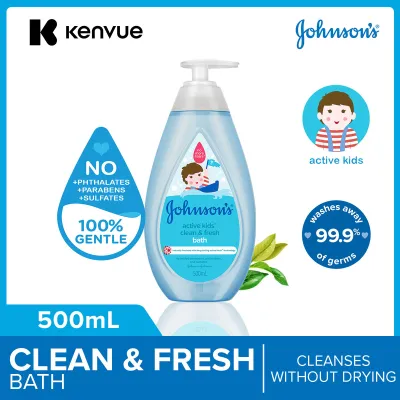
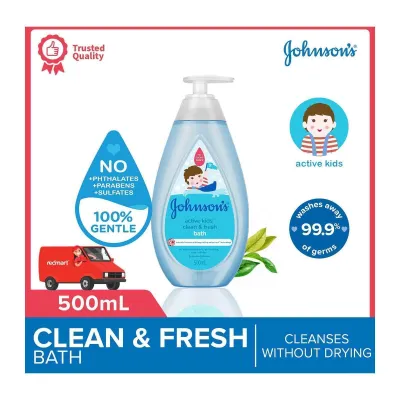
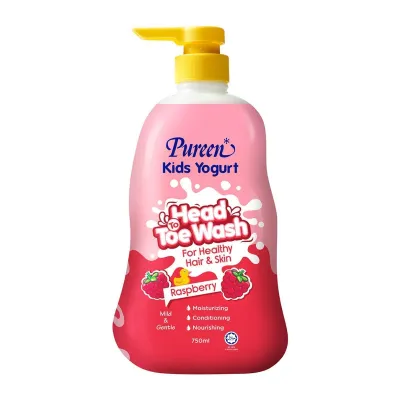
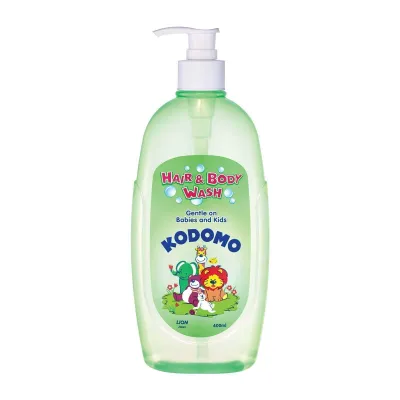
Products mentioned in this guide
![[BUNDLE DEAL] BZU BZU Happy Kids Body Wash 600ml | Sensitive Skin Care](https://img.lazcdn.com/g/p/c794c47f5f972fe6d012491a8c065fab.jpg_400x400q80.jpg_.webp)
![[BUNDLE DEAL] BZU BZU Happy Girl Body Wash 600ml](https://img.lazcdn.com/g/p/cd09e5649d89301967b5f87e8182810e.jpg_400x400q80.jpg_.webp)
Prices are valid at publication and may change. Please refer to the product page for the latest price.
Many parents rely heavily on marketing claims printed on bottles, such as “hypoallergenic,” “dermatologist-tested,” or “natural.” While these terms sound reassuring, they are often unregulated or lack standardized definitions. A product labeled “hypoallergenic” can still contain ingredients that trigger a reaction in sensitive individuals. Without the baseline safety net of an HSA notification, there is no official verification that the product’s formulation has been declared to local authorities or that the manufacturer has complied with local safety guidelines. Verifying the HSA status ensures that the product has undergone the necessary regulatory screening before it touches your child’s skin.
Ingredients to Avoid and Look for in Daily Use
When selecting a kids body wash for daily use, reading the ingredient list is the most reliable way to protect your child’s skin. Many conventional cleansing products contain harsh surfactants designed to create a thick lather. Sodium lauryl sulfate (SLS) and sodium laureth sulfate (SLES) are common examples. While effective at removing dirt, these sulfates can strip away the natural lipids of the skin barrier, leading to chronic dryness and irritation. For daily bathing, especially in Singapore’s humid climate where frequent showers are common, it is safer to look for mild, plant-derived surfactants such as coco-glucoside, decyl glucoside, or lauryl glucoside.

Preservatives are necessary in water-based body washes to prevent the growth of harmful bacteria and mold. However, certain synthetic preservatives are known sensitizers. Parabens (such as methylparaben or propylparaben), formaldehyde releasers (like DMDM hydantoin or quaternium-15), and methylisothiazolinone (MIT) should be avoided in children’s products. Instead, look for gentler preservative systems or formulations specifically optimized for pediatric use. Additionally, synthetic fragrances and artificial colorants are leading causes of cosmetic-induced allergic contact dermatitis. Even “unscented” products may contain masking fragrances to hide the chemical smell of raw ingredients, whereas “fragrance-free” products are formulated without any added fragrance chemicals.
To support a healthy skin barrier, look for body washes enriched with hydrating and soothing agents. Glycerin is an excellent humectant that draws moisture into the skin, while colloidal oatmeal and aloe vera help soothe irritation and maintain the skin’s natural moisture balance. Soap-free formulations are also highly recommended. Traditional soap has an alkaline pH (usually around 9 to 10), which can disrupt the skin’s naturally acidic protective mantle (typically around pH 5.5). A soap-free, pH-balanced kids body wash cleanses effectively without altering this delicate acidic environment, keeping the skin barrier intact.
Step-by-Step Guide to Verifying HSA Product Notifications
Verifying whether a kids body wash has a valid HSA notification is a straightforward process that parents can perform online. The HSA maintains a public registry of notified cosmetic products, which is accessible through their official government portal. To check a product, navigate to the HSA website and locate the search database for cosmetic products.
You can search using the product’s brand name, the specific product name, or the name of the local importer or manufacturer. When searching the database, pay close attention to the exact spelling of the product name. Because minor variations in product names can occur, try searching for the brand name first to view all notified products under that label.
A valid notification will display the product name, the company responsible for placing the product on the market, and the notification number. This number typically follows a specific format designated by the HSA. If you are purchasing a product from an online marketplace or a local retailer, you can cross-reference the details on the physical packaging with the database entry to ensure authenticity.
If a kids body wash lacks any visible notification details, does not appear in the HSA database, or displays conflicting information, caution is advised. This is particularly common with parallel imports or products purchased from unauthorized sellers on ecommerce platforms. Unregistered cosmetic products may not comply with local safety standards, or worse, they could be counterfeit formulations containing restricted ingredients. In such cases, avoid purchasing or using the product. You can report unnotified or suspicious cosmetic products directly to the HSA for investigation, helping to keep the local market safe for all families.
Creating a Condition-Based Shortlist for Your Child
Every child’s skin is unique, meaning a body wash that works perfectly for one child might cause irritation for another. To build a safe shortlist, start by assessing your child’s specific skin profile. For children with normal skin, a mild, pH-balanced, soap-free body wash is usually sufficient for daily use. However, if your child has dry or eczema-prone skin, you must be much more selective. Look for ultra-gentle, non-foaming syndet (synthetic detergent) bars or liquid cleansers that contain high concentrations of emollients and humectants to actively restore the skin barrier during bathing.
Before introducing any new kids body wash into your child’s daily routine, always perform a patch test. Apply a small, coin-sized amount of the product to a clean area of your child’s skin, such as the inner forearm or the bend of the elbow. Leave it on for the duration of a normal bath, rinse it off, and monitor the area over the next 24 to 48 hours. Look closely for any signs of redness, swelling, itching, or tiny bumps. If any reaction occurs, discontinue use immediately and wash the area thoroughly with clean water.
While mild skin reactions can often be managed by switching to a simpler formulation, certain symptoms require professional medical attention. If your child develops widespread hives, severe itching, oozing skin, or signs of a secondary bacterial infection (such as yellow crusting or increased warmth and swelling), stop using all bathing products immediately. Consult a pediatrician or a dermatologist to obtain an accurate diagnosis and a tailored treatment plan. Do not attempt to self-treat severe skin conditions with over-the-counter cosmetic washes.
Frequently Asked Questions (FAQ)
Can I use adult body wash on my child if it is HSA-notified?
Even if an adult body wash has a valid HSA notification, it is generally not recommended for daily use on children. Adult formulations are designed for mature skin, which has a thicker barrier and is less sensitive to strong surfactants, active ingredients, and high concentrations of fragrance. Using these products on children can quickly strip their delicate skin barrier, leading to dryness, irritation, and sensitization. Always choose products specifically formulated and labeled for babies or children, as these undergo safety assessments tailored to pediatric skin tolerance.
Does an HSA notification guarantee a product will not cause allergic reactions?
An HSA notification does not guarantee that a product will be completely free of allergic reactions for every individual child. The notification process ensures that the product meets baseline safety standards, does not contain prohibited hazardous substances, and is manufactured under compliant conditions. However, children can still develop individual sensitivities or allergic contact dermatitis to completely safe, approved ingredients, such as specific botanical extracts or mild preservatives. This is why performing a localized patch test remains an essential step before fully integrating any new product into your child’s bath routine.

Community discussion
Share your experience or ask a question. Comments are reviewed before publication.