
Choosing the right baby food involves matching your child’s physical development with the appropriate food textures. The Ella baby food range is structured around developmental stages, transitioning from smooth single-ingredient purees to complex, textured meals and self-feeding snacks. To select the best products for your baby, you must look beyond the age numbers printed on the packaging and focus on your child’s observable physical milestones, oral motor skills, and readiness cues.
Recognizing Your Baby's Weaning Stage and Readiness
Before introducing any solid foods, caregivers must observe specific physical milestones that indicate a baby’s digestive system and motor skills are ready. A primary sign of readiness is the ability to sit upright with minimal support and maintain steady head control. This physical stability is crucial for safe swallowing and reduces the risk of choking during feeding sessions.
Another key indicator is the gradual disappearance of the tongue-thrust reflex, which naturally causes infants to push solid objects out of their mouths with their tongues. When a baby can actively coordinate their tongue to move food to the back of the mouth for swallowing, they are demonstrating oral motor readiness. Additionally, look for signs of curiosity, such as your baby watching you eat, reaching for food on your plate, or opening their mouth when a spoon approaches.
Products mentioned in this guide
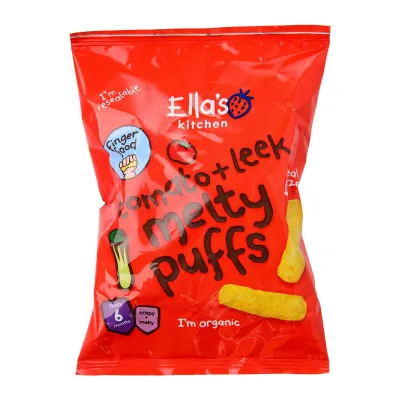
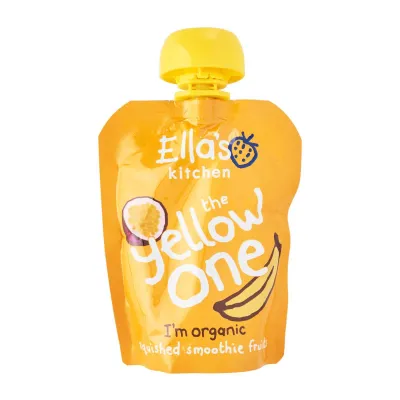
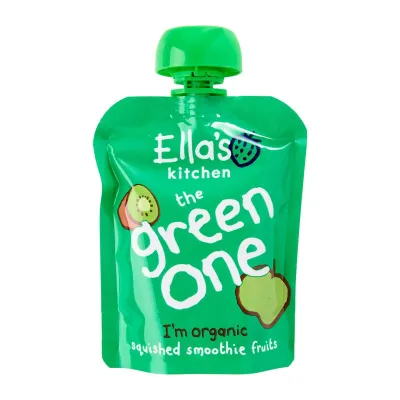
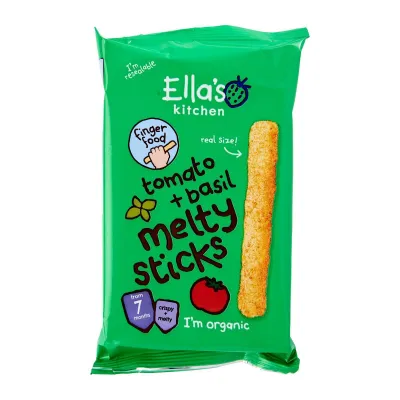
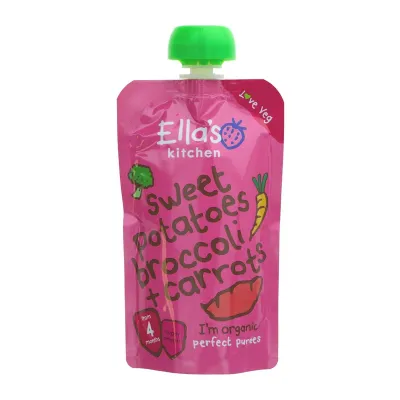
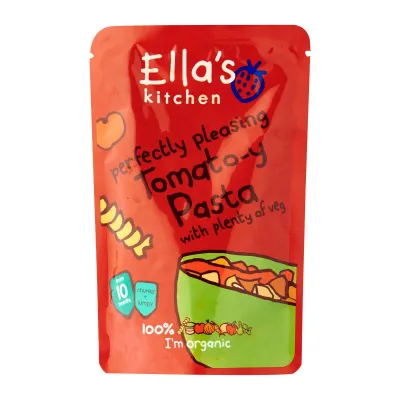
Prices are valid at publication and may change. Please refer to the product page for the latest price.
The weaning journey typically progresses from ultra-smooth, runny purees to thicker, mashed textures with soft lumps, and finally to soft finger foods that encourage self-feeding. Every infant develops at an individual pace, meaning chronological age is only a rough guide. Caregivers must maintain close, active supervision during every meal, adjusting the feeding pace to match the baby’s comfort level and stopping immediately if the baby shows signs of distress, fullness, or refusal.
Matching Ella Baby Food Textures to Developmental Milestones
The Ella product range uses stage indicators on its packaging to help parents navigate the transition from milk to solids. While these indicators provide a helpful starting point, your baby’s actual physical readiness and oral motor development must always take priority when selecting textures. Understanding how the packaging descriptions align with your baby’s chewing and swallowing abilities ensures a safer and more comfortable feeding experience.

Stage 1: First Tastes and Smooth Purees
For babies who are just beginning their weaning journey, Stage 1 products focus on single-ingredient blends with an exceptionally smooth and runny consistency. These purees are designed to mimic the ease of swallowing liquid milk while introducing the palate to new, subtle flavors. When browsing the shelves, look for packaging labels that specify single fruits or vegetables blended to a perfectly uniform texture without any lumps or seeds.
While general guidelines often suggest starting this stage around six months of age, it is essential to consult your pediatrician or a qualified healthcare professional before introducing solids to ensure your baby is developmentally ready. Initial sessions should focus on exploration rather than volume, using a small, soft-tipped tasting spoon designed for sensitive gums. Offer a tiny amount of the smooth puree on the tip of the spoon, allowing your baby to taste, smell, and feel the new texture.
Observe your baby’s reaction closely during these first attempts. If they push the food out of their mouth repeatedly or seem distressed, they may not be ready to transition from milk feeds. In such cases, pause the introduction of solids, continue with regular breast milk or formula feeding, and try again after a week or two.
Stage 2: Thicker Textures and Mixed Flavors
As your baby masters the basic swallowing mechanism and begins to show more active jaw movements, they are ready to transition to Stage 2 products. This phase introduces thicker consistencies, mashed textures, and combinations of multiple ingredients. Look for product labels that indicate textured purees, gentle lumps, or mashed blends, which encourage your baby to practice chewing and moving food around their mouth.
Stage 2 products often combine different fruits, vegetables, and gentle protein sources, allowing you to expand your baby’s palate and introduce a wider variety of nutrients. When introducing these mixed blends, it is vital to monitor your baby closely for any signs of food sensitivities or allergic reactions. Ensure that any potential allergens, such as dairy, gluten, or fish, are introduced carefully and in accordance with pediatric guidelines.
During this stage, you can begin to adjust portion sizes based on your baby’s active hunger and fullness cues. Watch for signs that your baby is full, such as turning their head away, closing their mouth tightly, or pushing the spoon away. Respecting these cues helps establish healthy eating habits and prevents overfeeding as their daily routine begins to incorporate more structured meal times.
Stage 3: Finger Foods and Self-Feeding
When your baby develops a reliable pincer grasp—using their thumb and index finger to pick up small objects—they are ready to explore Stage 3 products and independent self-feeding. This stage features soft finger foods, melt-in-the-mouth snacks, and puffed grains designed to dissolve easily in the mouth. These formats allow babies to practice grasping, holding, and self-feeding while continuing to develop their chewing skills.
While self-feeding is an exciting milestone that fosters independence and motor coordination, it requires strict, continuous caregiver supervision at all times. Never leave your baby unattended while they are eating finger foods, as the risk of choking remains a critical concern during this transitional phase. Ensure your baby is seated upright in a secure high chair and that the food pieces are appropriate for their current chewing capabilities.
Always check the product packaging for specific age recommendations, usage instructions, and choking hazard warnings. Some snacks are formulated to dissolve quickly upon contact with saliva, but environmental factors like humidity can affect this property. Regularly inspect the texture of the snacks yourself to ensure they remain soft and safe for your baby to consume.
Verifying Safety and Nutrition on Ella Product Labels
Before purchasing or serving any baby food product, caregivers must establish a consistent routine of verifying safety and nutritional information directly on the packaging. Do not rely solely on the front-of-pack marketing claims; instead, turn the product over to examine the detailed ingredient list and nutritional information panel. This practice ensures you are fully aware of what is entering your baby’s diet.
Begin by locating the official age recommendations and allergen declarations on the label. Manufacturers are required to highlight common allergens, such as wheat, milk, soy, or nuts, in the ingredient list or in a dedicated allergen warning box. If your baby has a known sensitivity or if you are introducing a potential allergen for the first time, verifying these declarations is a critical safety step.
Next, carefully read the nutritional information panel to check for any added sugars, salt, or artificial preservatives. High-quality baby foods should rely on the natural flavors of the ingredients rather than added sweeteners or sodium. Check the ingredient list to ensure that the primary components are whole foods, such as organic fruits, vegetables, or grains, without unnecessary fillers or thickeners.
Finally, perform a physical inspection of the packaging integrity before every single feed. Check the pouch or jar for any signs of damage, such as leaks, punctures, bloating, or broken safety seals. If a pouch feels unusually swollen or if the safety button on a jar lid is already popped up before opening, discard the product immediately. Always verify the expiration date printed on the packaging to ensure the food is fresh and safe for consumption.
Purchasing, Storing, and Serving Ella Baby Food Safely
To guarantee the authenticity and safety of the baby food you serve, always purchase products from authorized online retailers, official brand stores, or reputable local supermarkets in Singapore. Buying from trusted sources minimizes the risk of acquiring counterfeit, improperly stored, or expired products that could compromise your baby’s health.
Proper storage is essential to maintain the quality and safety of baby food, especially in the warm and humid climate of Singapore. Unopened pouches and jars should be stored in a cool, dry pantry away from direct sunlight and heat sources. Once a product is opened, strict hygiene and refrigeration rules must be followed to prevent the growth of harmful bacteria.
If you are feeding your baby directly from a pouch, any leftover food in that pouch must be discarded, as bacteria from your baby’s saliva can contaminate the remaining portion. To avoid waste, squeeze the desired portion of food onto a clean spoon or into a separate bowl, and immediately recap and refrigerate the remaining portion in the pouch. Refer to the specific product label for the maximum number of hours or days an opened product can be safely stored in the refrigerator, and never freeze opened pouches unless the manufacturer explicitly states it is safe to do so.
Always monitor your baby’s physical response during and after feeding. If your baby exhibits any adverse reactions, such as vomiting, diarrhea, skin rashes, breathing difficulties, or persistent food refusal, stop feeding the product immediately. Consult a pediatrician or a qualified healthcare professional to address these symptoms and obtain personalized guidance on your baby’s feeding plan.
Frequently Asked Questions (FAQ)
Can I mix Ella baby food with breast milk or formula?
Yes, you can mix smooth purees with breast milk or formula to thin the consistency for early weaning, but you must always check the manufacturer’s instructions on the specific product label first. If you choose to mix the food with milk, ensure you use freshly prepared formula or freshly expressed breast milk. To prevent rapid bacterial growth, the mixture must be consumed immediately after preparation, and any leftover portions must be discarded rather than saved for later use.
How do I know if my baby is allergic to an ingredient in Ella products?
To identify potential food allergies, introduce new single-ingredient foods one at a time and wait at least three to five days before introducing another new ingredient. This waiting period allows you to isolate the cause of any adverse reaction. Monitor your baby closely for observable signs of an allergic reaction, which can range from mild symptoms like hives, redness around the mouth, or mild tummy upset, to severe symptoms like swelling of the face or lips, vomiting, or difficulty breathing. If you observe any signs of an allergic reaction, stop feeding the food immediately and seek professional medical advice.
Community discussion
Share your experience or ask a question. Comments are reviewed before publication.