
Introducing solid foods is an exciting milestone, and many parents in Singapore turn to brown rice puffs as a convenient, mess-free snack to support this transition. When choosing the right option for your baby, the focus should be on verifying developmental readiness, evaluating ingredient lists for hidden additives, assessing physical safety characteristics like texture and shape, and sourcing from reliable channels. By understanding what to look for on the packaging and how to handle these snacks safely, you can make informed decisions that support your child’s growth and motor skill development.
Determine Your Baby's Readiness and Core Selection Criteria
Before introducing any finger foods, it is essential to identify the physical signs that indicate your baby is developmentally ready to handle them. Your baby should be able to sit upright with little to no support, maintain excellent head control, and show active interest in the foods you are eating. Another crucial indicator is the disappearance of the tongue-thrust reflex, which naturally prevents infants from choking by pushing solid objects out of their mouths. If your baby still automatically pushes food out with their tongue, they may not be ready for puffs.
It is important to view brown rice puffs as a transitional learning tool rather than a primary source of nutrition. These small snacks are designed to help infants practice their hand-eye coordination and fine motor skills, particularly the grasp used to pick up small objects. Because puffs dissolve quickly, they offer a low-risk way for babies to practice chewing and swallowing motions. However, they do not possess the caloric density or the robust nutrient profile of complete meals, so they should never replace breast milk, infant formula, or nutrient-dense purees and mashes.
Products mentioned in this guide
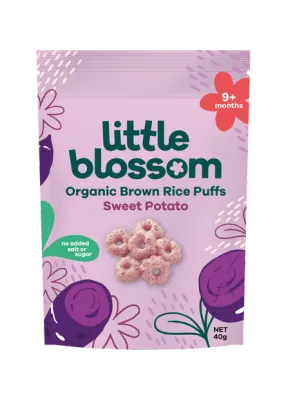
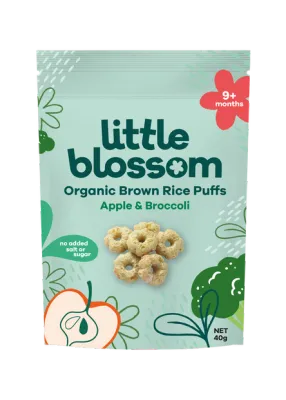
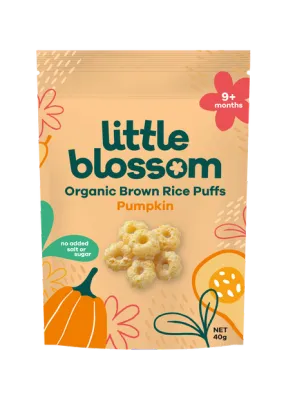
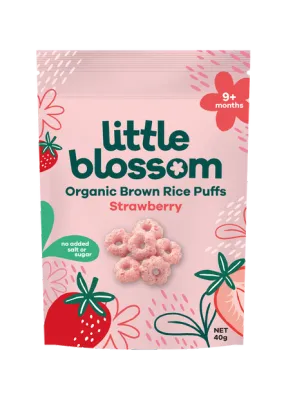
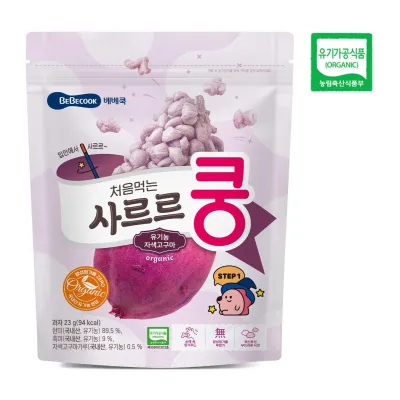
Prices are valid at publication and may change. Please refer to the product page for the latest price.
When browsing options, you will find that manufacturers print age recommendations on their packaging, such as “7 months plus” or “8 months plus.” While these guidelines provide a helpful starting point, they are not absolute rules because every infant develops at an individual pace. Regardless of the age printed on the container or your baby’s perceived skill level, active caregiver supervision is mandatory during every single feeding session. A child should always sit completely upright while eating, and a caregiver must remain within arm’s reach to monitor swallowing and intervene immediately if necessary.
Evaluate Ingredients and Nutritional Profiles on Labels
When evaluating different brands, the ingredient list on the back of the package is your most reliable tool. Look for products where whole grain brown rice is listed as the very first ingredient. Whole grain brown rice retains its outer bran and germ layers, which means it naturally contains more dietary fiber, B vitamins, and essential minerals than refined white rice. Many commercial baby snacks use refined white rice or starch blends as their base, which digest rapidly and offer fewer natural nutrients.

Carefully inspect the nutrition information panel for hidden added sugars and sodium. Manufacturers sometimes add fruit juice concentrates, cane sugar, maltodextrin, or syrups to make the puffs more appealing to infants. Introducing sweet flavors too early can shape a baby’s taste preferences toward sugary foods and contribute to tooth decay. Similarly, check the sodium content to ensure it is as close to zero as possible, as an infant’s developing kidneys are not fully equipped to process high amounts of added salt.
Iron fortification is another key element to look for on the label. An infant’s natural iron stores begin to deplete around six months of age, making dietary iron intake critical for healthy brain development and red blood cell production. While brown rice puffs should not be relied upon as your baby’s primary source of iron, choosing a brand that is fortified with iron can provide a helpful daily supplement. Compare the nutritional values on different packages to verify the percentage of the daily recommended iron intake provided per serving.
Assess Texture, Shape, and Choking Safety
Texture is one of the most critical safety factors when selecting a baby snack. A safe puff must have a quick-melting texture that dissolves rapidly when it comes into contact with saliva. You can perform a simple test yourself by placing a puff in your own mouth; it should melt away within seconds without requiring any active biting or chewing. Avoid any brands that feel hard, crunchy, or gummy, as these textures require mature chewing capabilities that young infants have not yet developed.
The shape and size of the puff should match your baby’s current stage of physical development. Younger babies who are just starting finger foods typically use a palmar grasp, which involves scooping up objects with their entire palm. For this stage, longer, stick-shaped puffs or teething wafers are easier to hold. As your baby’s fine motor skills progress, they will develop the pincer grasp, using their thumb and index finger to pick up smaller items. At this point, small, star-shaped or circular puffs are excellent for encouraging further dexterity.
In Singapore’s tropical climate, ambient humidity can quickly compromise the safety of dry baby snacks. If a package is left open or is not sealed properly, the puffs will absorb moisture from the air and become stale. Stale puffs lose their crispness and turn rubbery or chewy, meaning they will no longer dissolve quickly in the baby’s mouth. Always perform a tactile check before serving: press the puff between your fingers to ensure it is dry and crisp, and discard any pieces that feel soft, bendable, or sticky.
Check for Allergens and Cross-Contamination Risks
Food safety extends beyond ingredients to include potential allergens and manufacturing environments. Always read the allergen warnings and “may contain” statements on the packaging. Even if a brown rice puff does not list dairy, soy, wheat, gluten, peanuts, or tree nuts as active ingredients, the product may have been processed on shared machinery that handles these common allergens. If your baby has a known sensitivity or a family history of allergies, these precautionary statements are vital for preventing accidental exposure.
Many parents prefer to look for organic or pesticide-free certifications when choosing grain-based snacks for their infants. If this aligns with your family’s dietary preferences, look for recognized certification seals on the packaging, such as the USDA Organic or EU Organic logos. These certifications indicate that the grains were grown without synthetic pesticides or genetically modified organisms. However, because certification standards vary globally, it is wise to verify the specific labeling guidelines of the country of origin.
If your baby has eczema, existing food allergies, or if you have a family history of severe allergic reactions, take a cautious approach. Before introducing any new snack category, including brown rice puffs, consult a pediatrician or a qualified healthcare professional. They can provide personalized guidance on how to introduce new foods safely and help you establish a systematic plan to monitor your baby for any adverse reactions, such as hives, swelling, or digestive discomfort.
Choose Reliable Purchasing Channels and Verify Packaging
To ensure you are receiving genuine, properly stored products, source your baby snacks from reliable purchasing channels in Singapore. Established physical supermarkets, reputable specialty baby stores, and official online brand flagship stores are the safest options. These retailers must adhere to strict local food safety regulations and storage standards, ensuring the products remain safe for consumption.
Avoid purchasing baby food from unauthorized third-party sellers on general online marketplaces. These products may be parallel imports that have not undergone proper quality control checks, or they may have been stored in non-temperature-controlled warehouses. Exposure to high heat and humidity during storage and transit can accelerate the spoilage of the natural oils in brown rice, leading to rancidity and compromised packaging seals. Investing in authorized retail channels helps guarantee the freshness and safety of the food you feed your infant.
Whenever you purchase or receive a new package of puffs, perform a thorough physical inspection before opening it. Check that the expiration date is clearly legible and well in the future. Inspect the outer packaging to ensure the safety seal is completely intact, with no punctures, tears, or signs of tampering. If a container appears bloated, dented, or damaged, do not feed the contents to your baby, as the airtight seal may have been broken, allowing moisture or bacteria to enter.
Frequently Asked Questions (FAQ)
How to Store Opened Packages for Maximum Freshness
Singapore’s high relative humidity requires careful storage to keep baby puffs crisp and safe. Once you open a package, do not rely on the original plastic bag or container unless it features a high-quality, built-in resealable zip. The most effective method is to transfer the remaining puffs immediately into a clean, dry, airtight container made of glass or BPA-free plastic. Store this container in a cool, dark pantry away from direct sunlight and heat-generating kitchen appliances.
Do not store baby puffs in the refrigerator. The temperature fluctuations that occur when you open and close the refrigerator door can introduce condensation inside the container, which will quickly make the puffs soggy and stale. Most manufacturers recommend consuming the puffs within five to seven days of opening to ensure they maintain their quick-melting texture. Always test the crispness of a puff yourself before offering it to your baby.
Safe Ways to Soften Puffs for Beginners
If your baby is in the early stages of transitioning to solid foods and you want to ensure the texture is completely manageable, you can easily soften the puffs before serving. Place a few brown rice puffs into a clean baby bowl and add a few drops of expressed breast milk, prepared infant formula, or warm water. Allow the puffs to sit for a minute or two until they absorb the liquid and soften into a smooth, easily mashable paste.
This method allows your baby to experience the flavor of the brown rice puff while eliminating the need for chewing. As you feed your baby this modified texture, maintain close caregiver supervision to monitor how they swallow. Once your baby demonstrates consistent swallowing coordination and comfort with spoon-feeding, you can gradually transition to offering whole, dry puffs to encourage self-feeding and the development of their pincer grasp.
Community discussion
Share your experience or ask a question. Comments are reviewed before publication.