
When your baby is congested, it can affect their ability to sleep, feed, and rest comfortably. Because infants are primary nasal breathers and cannot clear their own nasal passages, a reliable nose suction device—commonly known as a nasal aspirator—is an essential tool for parents. Navigating the options available in Singapore requires understanding the different types of devices, their safety features, and how to match them to your child’s developmental stage.
In Singapore’s tropical climate, the frequent transition between humid outdoor air and dry, air-conditioned indoor environments can sometimes cause nasal secretions to dry out or build up. This makes choosing an effective clearing method highly practical for daily comfort. By focusing on design quality, ease of cleaning, and appropriate suction levels, you can confidently select a device that safely relieves your baby’s congestion.
Comparing the Main Types of Baby Nasal Aspirators
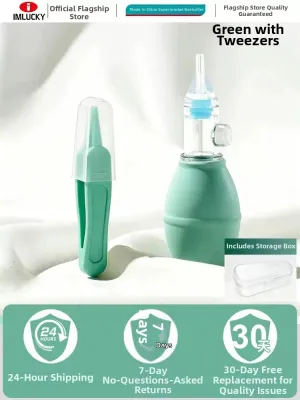
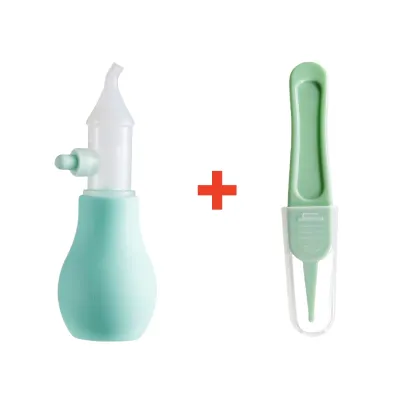
Bulb syringes are the most traditional manual option. These simple rubber or silicone bulbs rely on a manual squeeze to create a brief vacuum. While they are highly portable, inexpensive, and easy to pack in a diaper bag, they offer very limited control over suction strength. Additionally, because their internal chambers are often sealed or difficult to open, verifying that they are completely clean and free of mold can be challenging over long-term use.
Products mentioned in this guide
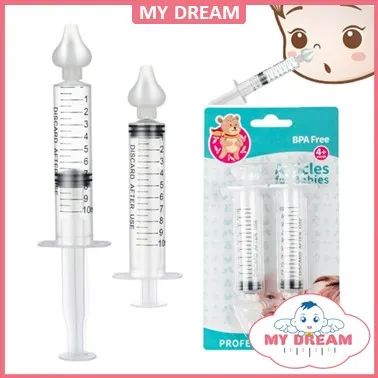
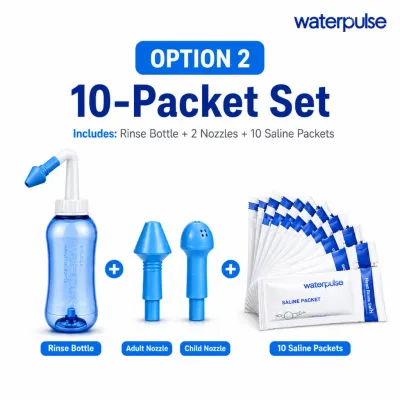
Prices are valid at publication and may change. Please refer to the product page for the latest price.
Mouth-suction, or tube-based, aspirators offer a highly controllable alternative. With this design, you place a soft silicone tip in your baby’s nostril and draw suction through a mouthpiece connected by a flexible tube. A built-in physical filter prevents any mucus or bacteria from traveling up the tube to your mouth. This type allows you to adjust the suction force instantly based on your baby’s comfort and the thickness of the mucus, making it a highly popular and hygienic choice for many parents.
Battery-operated and electric nasal aspirators provide continuous, motorized suction at the press of a button. These devices typically offer multiple suction settings, allowing you to increase the power for stubborn blockages or lower it for sensitive noses. While they are highly efficient and require less physical effort from the parent, they are generally bulkier, require regular charging or battery replacements, and represent a higher initial investment compared to manual options.
Essential Safety and Design Features to Verify
An effective anti-backflow mechanism is one of the most critical safety features to verify before purchasing any nasal aspirator. For manual and mouth-suction devices, this usually consists of a physical chamber or a disposable filter that traps secretions. For electric models, look for designs that feature a dedicated liquid-isolation chamber to prevent mucus from entering the motor, which can cause mechanical failure and bacterial growth.

Adjustable suction control is another vital feature, especially when dealing with varying levels of congestion. Fixed-suction devices may occasionally prove too weak for thick, stubborn mucus or too intense for a delicate newborn. Electric models with multiple speed or power settings allow you to start at the lowest level and gradually increase the force only as needed, minimizing the risk of tissue irritation.
The design and material of the nozzle tip directly impact your baby’s comfort and safety. Look for tips made from soft, medical-grade silicone that can flex slightly during use. The tip should be shaped to create a gentle seal at the entrance of the nostril without inserting deeply into the nasal passage. Many high-quality kits include multiple tip sizes, allowing you to switch to a larger nozzle as your baby grows.
Ease of disassembly is essential for maintaining hygiene and preventing the buildup of mold and bacteria. Before buying, check how many individual parts make up the device and whether they can be easily separated for washing. Devices that feature complex, hard-to-reach internal channels should generally be avoided, as they are difficult to sanitize thoroughly after each use.
Matching the Device to Your Baby's Age and Needs
Newborns and very young infants have extremely narrow, delicate nasal passages that require the gentlest possible handling. For babies under three months old, mouth-suction aspirators are often the most suitable choice because they allow you to apply a very soft, gradual pull. Bulb syringes can also be used if they have a wide safety tip that prevents deep insertion, but extreme care must be taken not to squeeze too abruptly.
As infants grow older and become more active, they are more likely to resist having their noses cleared. For babies around six months and older, an electric nasal aspirator can be highly advantageous because it works quickly and continuously. This speed allows you to complete the suctioning process efficiently before your baby becomes too fussy or attempts to turn away.
The consistency of your baby’s mucus should also guide your choice of device. Thin, watery secretions are easily cleared with a simple manual or mouth-suction aspirator. However, if your baby frequently experiences thick, sticky mucus—which is common in air-conditioned nurseries—the steady, continuous suction of an electric model may be necessary to clear the passage effectively.
Consider your baby’s sensitivity to noise and physical sensations before choosing a motorized device. Electric aspirators generate a mild humming sound from the motor, which can startle some sensitive infants. If your baby is easily frightened by noise, a silent mouth-suction device may cause less distress, whereas other babies might be easily distracted by electric models that feature built-in lights or gentle melodies.
How to Build Your Shortlist When Shopping in Singapore
When browsing local maternity stores or online marketplaces in Singapore, start by checking for clear safety certifications and age-suitability labels on the packaging. Look for products that comply with recognized international medical device standards, which help ensure the materials used are non-toxic and the suction levels are calibrated safely for infants. Avoid unbranded, generic devices that lack clear manufacturer details or contact information.
Verify the long-term availability of replacement parts before making your final decision. Many nasal aspirators rely on consumable parts, such as disposable hygiene filters or replacement silicone tips. Choosing a well-established brand with a reliable local distributor ensures you can easily purchase these accessories when needed, preventing the device from becoming obsolete if a part is lost or worn out.
Read user reviews on local e-commerce platforms, focusing specifically on feedback regarding durability, battery life, and ease of cleaning. Look for comments from parents who have used the device over several months to see if the suction power remains consistent. Reviews that detail how easy it is to wash and dry the components can give you a realistic idea of the daily maintenance required.
Ensure the device comes with comprehensive, easy-to-understand instructions in English. Clear guidelines on how to assemble, operate, and sanitize the device are crucial for preventing accidental misuse. If a product lacks clear instructions or has poorly translated guides, it is safer to choose an alternative that prioritizes clear user communication.
Safe Usage Limits and Cleaning Practices
To protect your baby’s delicate nasal lining, it is important to limit how often you use a nose suction device. Suctioning too frequently can cause the nasal tissues to swell, which can actually worsen congestion and cause minor bleeding. As a general rule, limit suctioning to two or three times a day, ideally right before feeding times or before putting your baby down to sleep.
Always pay close attention to your baby’s physical cues and stop suctioning immediately if you notice any signs of irritation. If you see blood spots in the mucus or if the nasal opening appears red and inflamed, pause use and allow the tissues to heal. If your baby’s congestion is accompanied by a high fever, persistent coughing, or difficulty breathing, consult a pediatrician promptly.
Proper cleaning is vital to prevent the growth of harmful bacteria and mold inside the device. Immediately after each use, disassemble all washable components according to the manufacturer’s instructions. Wash the parts thoroughly in warm, soapy water, and if recommended by the manufacturer, sterilize the silicone tips and collection chamber using boiling water or a steam sterilizer.
Allow all components to air dry completely on a clean surface before reassembling or storing the device. Storing parts while they are still damp can encourage mold growth, particularly in Singapore’s humid climate. Additionally, remember to replace disposable filters after every single use to maintain optimal hygiene and ensure the suction path remains clear and effective.
Frequently Asked Questions (FAQ)
Is it safe to use a nose suction device every day?
Yes, but with strict limits. It should only be used when the baby is visibly congested and having trouble breathing, feeding, or sleeping. Limit use to two or three times a day. Excessive use can irritate the delicate nasal mucosa, leading to increased swelling and more congestion.
Can I use saline drops before using the aspirator?
Yes, saline drops are highly recommended to loosen and thin out thick or dry mucus before suctioning. Always check the saline product’s packaging to ensure it is formulated and labeled as safe for infants, and follow the recommended dosage and wait times.
What should I do if the aspirator loses suction power?
First, check for any blockages or dried mucus in the silicone tip or the collection chamber. For mouth-suction models, verify that the hygiene filter is clean and correctly positioned. For electric models, ensure the batteries are fully charged or replaced, and check that all seals and valves are tightly fitted without air leaks.
Community discussion
Share your experience or ask a question. Comments are reviewed before publication.