
Selecting the right bed side protector in Singapore requires balancing your child’s developmental stage with the physical specifications of your home’s sleeping setup. As infants transition from cots to larger beds, or as toddlers become more active sleepers, preventing falls and cushioning impacts become top priorities for parents. However, because no single product fits every bed frame or mattress type, finding the most suitable option involves careful measurement, material inspection, and strict adherence to safety guidelines.
By focusing on structural compatibility and verified safety standards, you can create a secure sleeping environment that minimizes risks. This guide outlines how to evaluate different types of protectors, verify critical safety features, measure your bed setup accurately, and establish a safe usage routine for your family.
Understanding the Types of Bed Side Protectors
Bed side protectors generally fall into two distinct categories, each designed to address different hazards in the sleeping environment. Understanding these differences is essential to ensure you select a product that matches your child’s current physical abilities and your specific safety goals.
Products mentioned in this guide
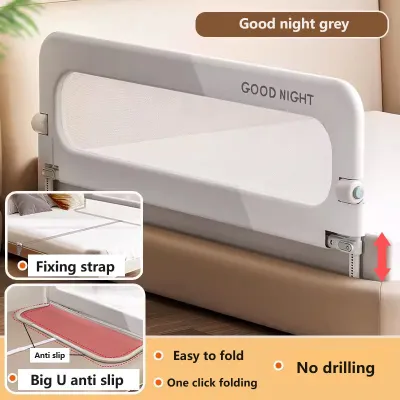
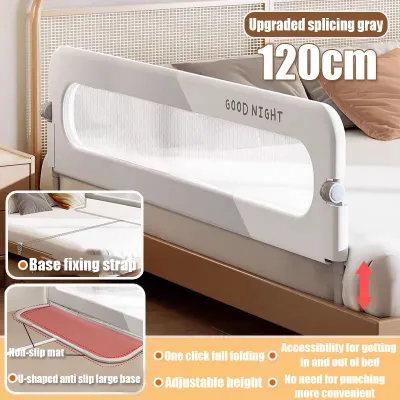
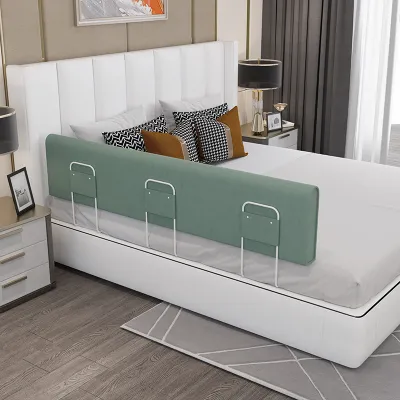
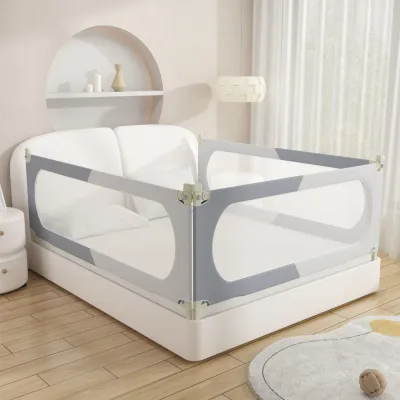
![[SG STOCK] Safe Protective For Long Anti Bite Newborn Home Front Side Soft Nursing Padded Teething Guard Baby Crib Rail Cover](https://img.lazcdn.com/g/p/7411ed8b15608ef11d2a61ae662d0c5e.jpg_400x400q80.jpg_.webp)
Prices are valid at publication and may change. Please refer to the product page for the latest price.
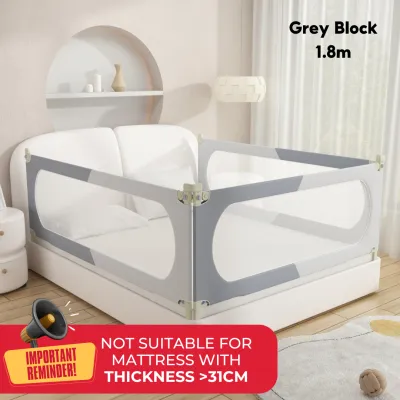
The first category consists of bed rails, which are vertical barriers designed primarily to prevent a child from rolling out of bed. These rails typically feature a metal or plastic frame covered in a tight mesh fabric or a solid panel. They are installed along the side of the mattress and act as a physical wall. Bed rails are most appropriate for older toddlers who have transitioned to an open bed but still tend to move significantly during sleep.
The second category includes foam bumpers and edge guards, which are designed to cushion impacts rather than prevent falls. Foam bumpers are usually long, triangular, or semi-circular wedges made of polyurethane or memory foam that sit directly on the mattress under the fitted sheet. Edge guards, on the other hand, are soft strips applied directly to the hard wooden or metal edges of a bed frame. These are ideal for cushioning sharp corners and preventing bruises as children climb in and out of bed.
A child’s mobility milestones dictate which type of protector is appropriate. For instance, a child who is already able to pull themselves up to a standing position requires a different level of barrier height and stability than a younger infant who is only beginning to roll. Using a barrier that does not align with your child’s developmental stage can introduce new hazards, such as climbing risks or entrapment zones.
Essential Safety Features and Certification Checks
When shopping for a bed side protector, safety must be your primary evaluation criterion. Because these products are designed to protect vulnerable children, parents should systematically verify several non-negotiable safety features before making a purchase.

First, assess the risk of entrapment and gaps. The space between the bed rail and the mattress is a critical safety zone; if a gap forms, a child can slide into it and become trapped. Look for designs that feature tight mesh weave density to ensure breathability while preventing small fingers or limbs from getting caught. The frame clearances must be minimal, and the rail should press firmly against the side of the mattress without leaving any V-shaped gaps.
Second, evaluate the structural stability and locking mechanisms of the protector. If you choose a fold-down bed rail, the hinges must be robust and require a deliberate, multi-step action to unlock. This prevents accidental collapse if a child leans or pushes against the rail. The frame itself should be rigid enough to resist bending under the child’s weight.
Third, look for recognized safety certifications on the product packaging or the manufacturer’s official documentation. Standards such as ASTM F2085 or BS EN 1930 indicate that the product has undergone rigorous testing for structural integrity, gap prevention, and material safety. While these certifications are voluntary in some regions, they provide valuable peace of mind regarding the product’s design quality.
Finally, inspect the materials for chemical safety and physical hazards. Ensure the fabrics and foams are certified as non-toxic and free from harmful flame retardants, lead, or phthalates. Check that there are no small, detachable parts, loose strings, or accessible zippers that a child could swallow or manipulate.
Matching the Protector to Your Bed Setup
A bed side protector can only function safely if it is fully compatible with your existing bed configuration. Before browsing retail options, take precise measurements of your sleeping setup to avoid compatibility issues that could compromise safety.
Begin by measuring your mattress thickness, width, and the height of the bed frame. Many bed rails are designed specifically for standard mattress thicknesses, typically between 15 and 25 centimeters. If your mattress is exceptionally thick or thin, a standard rail may not sit at the correct height, either leaving a dangerous gap at the bottom or failing to provide a sufficient barrier height at the top. The top of the rail should generally extend at least 16 centimeters above the top of the mattress.
Next, verify the compatibility of the protector with your specific bed base. Slatted bed frames, solid platform bases, and box springs all require different attachment methods. For example, a bed rail designed for a slatted frame may require straps that wrap around individual slats, whereas a platform bed may require a flat anchor plate that sits securely under the weight of the mattress.
Compare the securing methods used by different products. Under-mattress weight anchors rely on the weight of the mattress to hold the rail in place, which may not be sufficient for lightweight mattresses. Strap-based systems, which secure the rail to the opposite side of the bed frame, generally offer greater stability and prevent the rail from shifting outward over time. Avoid any product that relies solely on friction to stay in place.
Age, Development, and Usage Boundaries
Bed side protectors are temporary safety aids with strict operational boundaries. Understanding when to introduce these products and, equally importantly, when to stop using them is vital for maintaining a safe sleeping environment.
Most manufacturers specify a minimum age for bed rail use, typically around 18 months to two years. Bed rails are generally not safe for infants under this age, as younger babies lack the motor skills and strength to extricate themselves if they roll into a gap between the mattress and the rail, posing a severe risk of suffocation. Always check the manufacturer’s specific age and weight limits before installation.
You must also recognize the signs that indicate it is time to transition away from bed side protectors. Once a child is physically capable of climbing over the rail, the protector itself becomes a hazard. A fall from the top of a bed rail is significantly higher and more dangerous than a fall from the bed mattress itself. If your child begins to use the rail as a ladder, it should be removed immediately.
Remember that no safety product can replace active adult supervision. Bed side protectors are designed to assist parents, not to allow children to be left unattended in potentially hazardous situations. Ensure the surrounding room is also safe, with soft flooring or rugs placed next to the bed and no sharp furniture edges nearby.
Installation, Maintenance, and Daily Safety Checks
Proper installation and ongoing maintenance are just as important as choosing the right product. Even the highest-quality bed side protector can fail if it is installed incorrectly or if its components degrade over time.
Always follow the manufacturer’s installation instructions precisely, without skipping any steps or using alternative hardware. Do not attempt to modify the product to fit a bed frame for which it was not designed. If the instructions call for securing straps to be anchored to the opposite side of the bed, ensure they are pulled taut and locked securely.
Establish a routine for daily visual and physical checks. Before putting your child to bed, check that the rail is still pressed tightly against the mattress and that no gaps have formed. Inspect the mesh fabric for any tears or fraying, and verify that the locking mechanisms operate smoothly and lock securely into place. Over time, mattress shifting and daily use can loosen anchors, so physical adjustments may be required regularly.
If you discover any damage, loose fittings, or compromised locks, stop using the product immediately. Do not attempt temporary repairs with tape or non-approved parts. Consult the manufacturer’s customer service or a qualified professional to obtain authorized replacement parts or to determine if the product needs to be replaced entirely.
Building Your Shortlist for Retail Purchase
Once you have defined your safety criteria and measured your bed setup, you can begin compiling a shortlist of products available through local retail channels in Singapore. Taking a structured approach to your purchase helps ensure you receive a genuine, high-quality product with reliable support.
Start by comparing the return policies, warranty terms, and after-sales support offered by different retailers. Purchasing from official brand stores or authorized local distributors often provides better warranty coverage and access to replacement parts than buying from unauthorized third-party sellers on online marketplaces. A reliable warranty is particularly important for products with mechanical parts, such as folding bed rails.
Analyze parent reviews and feedback for real-world insights into the products on your shortlist. Look for comments regarding the ease of installation, the durability of the mesh and frame, and how well the rail maintains its position over several months of use. Pay close attention to reviews from parents who share a similar bed setup or mattress type to yours.
Finally, verify local stock availability, delivery timelines, and customer service responsiveness. Because bed side protectors are bulky items, understanding the delivery options and assembly services available in Singapore can save significant time and effort. Choosing a retailer with responsive customer service ensures that any questions regarding compatibility or installation can be addressed promptly.
Frequently Asked Questions (FAQ)
Can I use a bed side protector on a toddler bed or cot?
Standard bed side protectors and bed rails are generally not designed for use on cots or toddler beds. Cots already have built-in protective barriers, and adding an aftermarket rail can create dangerous entrapment zones or exceed the structural limits of the cot. Toddler beds often have specific, low-profile rails designed by the manufacturer. Always consult the user manual of your specific bed frame before attempting to install any third-party side protectors.
Are foam bed bumpers a safe alternative to mesh bed rails?
Foam bed bumpers can be a suitable alternative for older children who only need a gentle physical reminder of the bed’s edge, but they serve a different purpose than mesh rails. Foam bumpers do not provide a rigid physical barrier to prevent a determined roll-off, and they may pose a suffocation risk for very young infants who cannot easily turn their heads. For younger toddlers transitioning to a larger bed, a securely anchored mesh bed rail that meets recognized safety standards is generally preferred for fall prevention.
What should I do if the bed rail does not fit my mattress snugly?
If you notice any gap, particularly a V-shaped gap, between the bed rail and the side of your mattress, you must stop using the product immediately. These gaps present a severe risk of entrapment and suffocation. Do not attempt to fill the gap with pillows, blankets, or rolled-up towels, as these items can easily shift and create further hazards. Instead, recheck the installation instructions, verify that the securing straps are fully tightened, or contact the manufacturer to confirm if the rail is compatible with your mattress size. If a snug fit cannot be achieved, you should replace the rail with a model that fits your bed setup correctly.
Community discussion
Share your experience or ask a question. Comments are reviewed before publication.