
Finding the right maternity support in Singapore can feel overwhelming given the sheer volume of recommendations passed down in parenting forums, chat groups, and social circles. While many experienced mothers eagerly share their favorite brands, the truth is that no single belly belt is a universal solution for every pregnancy. The most recommended brand for you is one that aligns with your unique physical changes, daily activity levels, and comfort preferences.
To make an informed decision, it is essential to look beyond marketing buzzwords and focus on structural integrity, material suitability, and proper fit. By understanding what makes a belly belt effective, you can confidently navigate the local market and select a product that provides genuine relief. This guide outlines the essential criteria Singapore mothers use to evaluate brands, where to source authentic products, and how to use them safely.
Quick Guide: Identifying a Reliable Maternity Support Belt
A maternity support belt, commonly referred to as a belly belt, is designed to provide targeted compression and support to the lower back, hips, and abdomen during pregnancy. As your baby grows, your center of gravity shifts forward, placing additional strain on your lumbar spine and pelvic ligaments. A well-constructed belt helps redistribute this weight more evenly, which can alleviate common discomforts such as lower back pain, pelvic girdle pain, and round ligament strain.
Products mentioned in this guide
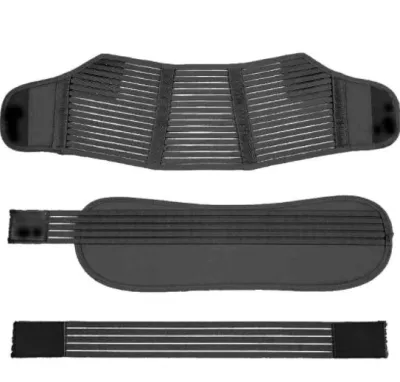
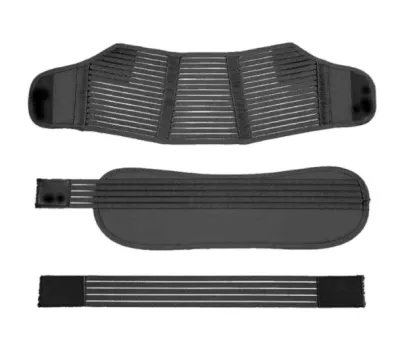
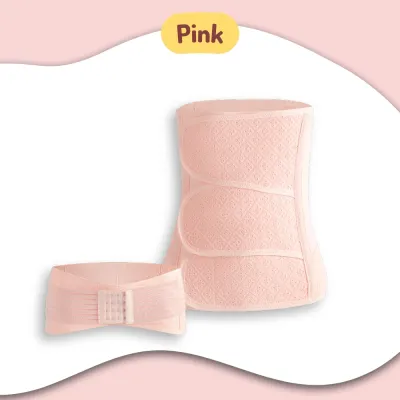
Prices are valid at publication and may change. Please refer to the product page for the latest price.
When searching for a reliable brand, it is easy to get distracted by flashy advertisements or celebrity endorsements. Experienced mothers and healthcare professionals recommend verifying a brand’s reputation through trusted local maternal health resources, clinical recommendations, and detailed feedback from verified purchasers. A reputable brand will always provide transparent information regarding its materials, manufacturing standards, and sizing guidelines rather than relying on vague promises of instant pain relief.
Ultimately, the most recommended choice is highly individual. A belt that works wonders for one mother might feel restrictive or uncomfortable for another. Your selection should be guided by your specific physical needs, the stage of your pregnancy, and how well the belt’s design accommodates your daily routine. Prioritizing adjustable features and high-quality construction over brand name alone ensures you invest in a supportive garment that truly serves its purpose.
Key Features Mothers Prioritize in a Maternity Support Belt
Breathability and Moisture-Wicking Fabrics
Singapore’s hot and humid tropical climate presents a unique challenge for pregnant mothers wearing supportive undergarments. Heavy, non-breathable fabrics can quickly trap heat and sweat, leading to uncomfortable skin irritation, heat rashes, or chafing. When evaluating different brands, look closely at the material composition. Highly recommended belts often feature lightweight mesh panels, perforated elastics, or moisture-wicking cotton blends that allow air to circulate freely.

Choosing a belt with superior ventilation ensures you can wear it comfortably during outdoor commutes, grocery runs, or light exercise without feeling overheated. If a brand does not explicitly state the breathability of its materials or if user reviews frequently mention excessive sweating, it may not be suitable for daily wear in a tropical environment.
Adjustable Support Mechanisms
Your body changes rapidly during pregnancy, meaning a support belt must be highly adaptable to remain useful across different trimesters. The most effective designs feature dual-band or multi-layered adjustment systems. These allow you to control the level of compression and support independently on each side, customizing the fit as your baby bump expands.
Secure, high-quality hook-and-loop closures (commonly known as Velcro) are crucial for maintaining tension throughout the day. Cheaper alternatives often use low-grade fasteners that lose their grip after a few washes or slip when you sit down. A reliable belt should remain firmly in place, providing consistent support whether you are standing, walking, or transitioning between positions.
Ergonomic Padding and Width Distribution
An poorly designed belly belt can easily dig into your ribs, hips, or the sensitive area under your bump, causing more discomfort than relief. Ergonomic padding and a contoured shape are essential features to look for. The back panel should be wide enough to distribute pressure evenly across your lumbar region without riding up or bunching.
Similarly, the front band should curve gently under your abdomen, cradling the bump without applying direct upward pressure on the uterus. Brands that invest in ergonomic research typically design their belts to mimic the natural support of your abdominal muscles, reducing pressure points and ensuring a seamless fit against your body’s natural curves.
Practicality and Ease of Use
During the later stages of pregnancy, simple tasks like bending down or visiting the restroom can become challenging. A support belt that is overly complicated to put on or take off will likely end up forgotten in your wardrobe. Look for designs that can be adjusted easily without requiring you to twist or strain your back.
Additionally, consider how the belt fits under your clothing. If you plan to wear it to the office or social outings, a low-profile, discreet design that does not show through thin fabrics is highly desirable. Some mothers prefer belts that can be worn over a lightweight camisole to prevent direct contact with the skin, which also helps keep the belt clean for longer periods.
Where to Source and Verify Trusted Brands in Singapore
Physical Maternity Stores vs. Online Shopping
When purchasing a maternity support belt, deciding where to shop can greatly impact your satisfaction. Visiting physical maternity boutiques or department stores in Singapore allows you to feel the materials, inspect the stitching, and sometimes even try on different sizes. Retailers like Mothercare or specialized local maternity shops often have trained staff who can assist you in finding the correct fit and demonstrating how to adjust the straps properly.
On the other hand, shopping on official brand websites offers convenience and often a wider selection of sizes and colors. Many official sites also provide comprehensive sizing calculators and video tutorials to help you measure yourself accurately at home. If you choose to buy online, ensure the retailer has a clear exchange policy in case you need to swap the belt for a different size.
Navigating Online Marketplaces Safely
If you prefer the convenience of online marketplaces, it is vital to exercise caution to avoid counterfeit or low-quality imitation products. Always look for authorized flagship stores or preferred sellers that carry official brand badges. These sellers are directly vetted by the platform or the manufacturer, ensuring you receive an authentic product that meets safety standards.
Avoid buying from unverified third-party sellers who offer popular brands at prices that seem too good to be true. Counterfeit belts often use substandard elastics that degrade quickly, offer zero structural support, and may contain dyes or materials that irritate sensitive pregnant skin.
Critically Reading User Reviews
User reviews are an invaluable resource, but they must be read critically. When browsing reviews from other mothers in Singapore, look for detailed feedback regarding long-term durability, actual support, and how well the belt holds up after multiple washes. Pay close attention to comments from mothers with similar body types or those experiencing similar pregnancy symptoms.
Be skeptical of overly brief, generic reviews that only praise the shipping speed or the packaging. Instead, focus on reviews that describe how the belt performed during specific activities, such as a full day at work or a long walk, as these provide a much better indication of the product’s real-world utility.
Red Flags to Avoid
When comparing different brands and listings, keep an eye out for common red flags. A complete lack of clear sizing charts or instructions on how to measure your bump is a major warning sign. Reliable brands understand that proper fit is essential for safety and comfort, and they will always provide detailed measurement guidelines.
Other red flags include missing manufacturer labels, absent contact information for customer service, and unusually low prices. While budget-friendly options under S$20 exist, high-quality, ergonomically designed maternity belts typically range from S$40 to over S$100. Investing in a reputable, well-constructed belt ensures your safety and comfort throughout your pregnancy journey.
How to Ensure a Safe, Comfortable Fit and Avoid Risks
Accurate Measurement Techniques
To find the correct size, never rely on your pre-pregnancy clothing size or assume that all brands share the same sizing standards. Sizing can vary significantly between manufacturers. Use a flexible measuring tape to measure the circumference of your lower back and under your belly bump, where the main support band will sit.
Always measure while standing up straight, keeping the tape snug but not tight against your skin. If your measurements fall between two sizes, most manufacturers recommend choosing the larger size to accommodate future growth during the remaining weeks of your pregnancy.
Correct Positioning and Alignment
Proper placement of the belt is critical to ensure it provides support without causing harm. The main band should sit low on your hips, cradling the very bottom of your baby bump. It should never cross directly over the middle of your abdomen or apply downward pressure on your uterus.
Once the main band is secured, adjust the secondary tension straps to provide a gentle, upward lift. The belt should feel like a supportive pair of hands holding up your belly, relieving pressure from your lower back and pelvis. It should never feel like it is squeezing or compressing your abdomen.
Signs of an Improper Fit
It is vital to listen to your body and recognize when a belt is fitted incorrectly or is too tight. If you experience any numbness, tingling, or sharp pain in your legs, hips, or pelvis, loosen the belt immediately. These symptoms suggest the belt is compressing nerves or restricting blood circulation.
Other warning signs include skin redness that does not fade quickly after removing the belt, shortness of breath, or a noticeable decrease in fetal movement. If you experience any of these signs, stop using the belt and consult your healthcare provider before attempting to wear it again.
Consulting Healthcare Professionals
While a maternity support belt is an excellent tool for managing daily discomfort, it is not a cure for underlying medical conditions. Before purchasing or using a support garment, it is highly recommended to consult your obstetrician or a specialized women’s health physiotherapist.
This is especially important if you are experiencing severe pelvic girdle pain, Symphysis Pubis Dysfunction (SPD), or if you have a high-risk pregnancy. A professional can assess your posture, recommend specific exercises to strengthen your core, and guide you on the exact type of support garment that is safe and effective for your specific condition.
Frequently Asked Questions (FAQ)
When is the right time to start wearing a belly belt?
Most pregnant women find that the need for a support belt arises during the second or third trimester, typically between weeks 20 and 30. This is the period when the baby bump grows rapidly, causing a significant shift in your center of gravity and putting extra strain on your lower back and pelvic ligaments.
However, the decision should be based on your personal comfort and physical symptoms rather than a specific gestational week. If you begin to experience lower back pain, pelvic pressure, or round ligament discomfort earlier in your pregnancy, you may benefit from introducing a support belt sooner. Always consult your healthcare provider to ensure it is appropriate for your stage of pregnancy.
Is it safe to wear a maternity support belt all day?
No, it is not recommended to wear a maternity support belt continuously throughout the day. Support belts are designed for intermittent use during periods of physical activity, such as walking, standing for extended periods, or performing household chores. A general guideline is to limit wear to two to three hours at a time.
Wearing a belt constantly can cause your core and back muscles to become dependent on the external support, potentially weakening them over time. It is also important to remove the belt while sleeping, resting, or sitting down for long periods, as continuous compression is unnecessary when your muscles are relaxed and can restrict healthy blood circulation.
Community discussion
Share your experience or ask a question. Comments are reviewed before publication.