
Choosing the right kids biscuit in Singapore requires matching the snack’s texture, size, and nutritional profile to your child’s specific developmental stage. From easily dissolvable rusks for infants to fiber-rich whole grain options for active preschoolers, the ideal snack supports growth without overloading their developing systems with excess sugar or sodium. By understanding what to look for at each milestone, parents can confidently select snacks that are both safe and nourishing.
While biscuits offer a convenient way to bridge the gap between meals, they should always complement a balanced diet of whole foods. Navigating the retail shelves involves looking past colorful packaging and focusing on ingredient lists, nutritional panels, and texture safety. This guide provides a practical framework to help you make informed decisions for your child’s snacking routine.
Quick Guide: Matching Biscuit Types to Developmental Stages
Selecting the appropriate biscuit starts with understanding your child’s current physical capabilities and nutritional requirements. Children develop at their own pace, meaning age ranges on packaging should always be cross-referenced with your child’s actual feeding milestones. A child who is not yet sitting upright or showing interest in solid foods is not ready for biscuits, regardless of their age in months.
Products mentioned in this guide
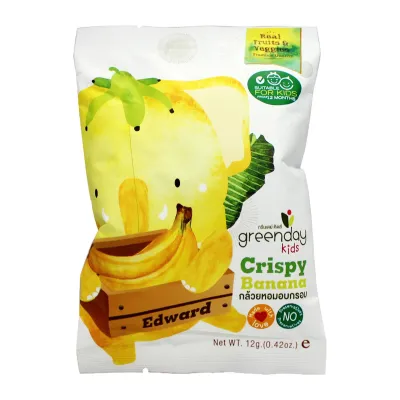
Prices are valid at publication and may change. Please refer to the product page for the latest price.
| Age Group | Ideal Texture | Key Nutritional Focus | Ingredients to Avoid |
|---|---|---|---|
| 6–12 Months | Melt-in-the-mouth, rapidly dissolving, light and airy | Zero added sugars, minimal sodium, iron fortification | Cane sugar, honey, artificial preservatives, whole nuts |
| 1–3 Years | Soft-baked, lightly crunchy, easy to break apart | Complex carbohydrates, calcium, dietary fiber | High-fructose corn syrup, excessive sodium, trans fats |
| 3+ Years | Firm, crunchy, whole grain-based | Balanced macronutrients, fiber, clean ingredient list | Artificial food colorings, synthetic flavors, high saturated fats |
If your child has diagnosed food allergies, severe eczema, developmental delays, or a family history of asthma, consult a pediatrician or a registered pediatric dietitian before introducing new biscuit varieties. Professional guidance ensures that early snacking choices do not inadvertently trigger allergic reactions or interfere with therapeutic feeding plans.
How to Read Biscuit Labels for Nutritional Quality
Evaluating a kids biscuit requires a close inspection of the ingredient list and the Nutrition Information Panel (NIP). Ingredients are listed in descending order of weight, meaning the first few items make up the bulk of the product. If sugar, syrup, or refined flour sits at the top of the list, the biscuit is less suitable for daily consumption.

Identifying hidden sugars is a critical skill for parents. Manufacturers often use alternative names for sugar to make a product appear healthier. Look out for terms such as fruit juice concentrate, maltodextrin, brown rice syrup, barley malt extract, dextrose, fructose, and anhydrous dextrose. While these may sound natural, they function identically to cane sugar in the body and can contribute to early tooth decay and a preference for overly sweet foods.
Sodium levels must also be carefully monitored. Infants under twelve months require very little sodium, as their kidneys are still maturing and cannot efficiently process excess salt. When reviewing the NIP, compare products using the “per 100g” column to establish a standardized baseline, then check the “per serving” column to understand the actual intake. Aim for biscuits that contain minimal sodium, ideally keeping the salt content as close to zero as possible for younger age groups.
Prioritize biscuits made with whole grains, such as whole oats, spelt, brown rice, or whole wheat flour. Whole grains retain their natural dietary fiber, which aids in healthy digestion and helps maintain steady energy levels. Additionally, look for products fortified with essential micronutrients. Iron is particularly important for babies over six months as their natural iron stores begin to deplete, while calcium and vitamin D support healthy bone and teeth development during rapid growth phases.
Finally, always check the packaging for allergen declarations and cross-contamination warnings. Major allergens such as wheat, milk, soy, eggs, peanuts, and tree nuts must be clearly highlighted. If a sibling has a severe allergy, pay close attention to precautionary statements like “manufactured on shared equipment” or “may contain traces of nuts” to prevent accidental exposure in the household.
Biscuits for Babies (6–12 Months): Texture and Ingredient Safety
For infants transitioning to solid foods, safety is the absolute priority. The primary physical hazard during this stage is choking. Biscuits designed for this age group must possess a melt-in-the-mouth or rapidly dissolvable texture. When mixed with saliva, the biscuit should quickly break down into a soft puree, allowing the baby to swallow it easily without needing fully erupted teeth.
During this sensitive developmental window, biscuits should contain zero added sugars and exceptionally low sodium. Introducing sweetened snacks too early can program a baby’s palate to reject natural, savory flavors like vegetables and plain grains. Keeping ingredients simple—focusing on basic grains like rice or oats combined with fruit or vegetable purees for subtle flavor—helps establish healthy eating habits from the very start.
Always check the manufacturer’s age recommendation printed on the box, but treat it as a secondary check to your baby’s physical readiness. Your baby should be able to sit upright with minimal support, hold their head steady, and bring objects to their mouth before you introduce any biscuit products.
Caregiver supervision is mandatory during every single feeding session. Never leave a baby unattended with a biscuit, and avoid offering snacks while the baby is reclined, strapped into a moving stroller, or riding in a car seat. Ensure your baby is seated completely upright in a highchair to minimize the risk of aspiration.
Biscuits for Toddlers (1–3 Years): Energy and Motor Skill Support
As children enter the toddler years, their physical abilities and nutritional needs evolve rapidly. This stage is marked by increased physical activity, jaw development, and the eruption of primary teeth. Toddlers can transition to slightly firmer biscuit textures that require active chewing, which helps strengthen jaw muscles and supports oral motor development.
To fuel their active play, look for biscuits that offer sustained energy rather than quick sugar spikes. Complex carbohydrates derived from whole oats, barley, or spelt are excellent choices. These grains digest slowly, providing a steady release of glucose into the bloodstream. Avoid biscuits that rely heavily on refined white flour and simple sugars, which can lead to rapid energy crashes and irritability.
This stage is also an ideal time to use snack times for motor skill development. Biscuits shaped like small rings, animal figures, or thin sticks encourage toddlers to practice their pincer grasp—using the thumb and index finger to pick up small objects. Manipulating these small shapes helps refine hand-eye coordination and builds the finger strength necessary for later tasks like holding utensils or writing tools.
Biscuits for Older Kids (3+ Years): Balanced Snacking Options
Preschoolers and school-aged children often face increased exposure to highly processed commercial snacks. At this stage, the challenge is balancing a child’s desire for an appealing, fun snack with actual nutritional value. Look for baked, oat-based, or whole grain biscuits that offer a satisfying crunch without relying on excessive fats or sugars.
To make snacking more satisfying and nutritionally complete, avoid serving biscuits in isolation. A biscuit consisting primarily of carbohydrates can digest quickly, leaving a child hungry shortly afterward. Instead, pair a small portion of biscuits with a source of protein or healthy fat. Excellent pairings include a small cup of plain milk, a serving of unsweetened yogurt, a slice of cheese, or a handful of fresh berries. This combination slows digestion, prolongs satiety, and delivers a wider spectrum of nutrients.
When shopping for older kids, continue to read labels diligently to avoid artificial additives. Many commercial biscuits targeted at older children contain synthetic food dyes, artificial flavors, and hydrogenated oils (trans fats) to extend shelf life and enhance visual appeal. Opt for brands that use natural flavorings like vanilla extract, cocoa powder, or real fruit pieces, and keep saturated fat levels low.
Purchasing Channels and Freshness Checks in Singapore
When buying kids biscuits in Singapore, sourcing them from reputable retail channels is essential for ensuring product safety and authenticity. Established physical supermarkets, major pharmacies, and authorized online retailers maintain strict quality control and proper storage conditions. Purchasing from unauthorized parallel importers or unverified online sellers carries the risk of receiving expired, counterfeit, or improperly stored goods.
Before purchasing, always perform a quick physical inspection of the packaging. Check the expiration date to ensure the product will be consumed well before it expires. Inspect the box or pouch for any signs of damage, such as tears, punctures, or broken safety seals. If a package appears bloated or damp, do not purchase or consume it, as this indicates a compromise in the airtight seal.
Singapore’s tropical climate, characterized by high humidity and warm temperatures, poses a challenge for maintaining the freshness of dry snacks. Once a package of biscuits is opened, exposure to the humid air can quickly cause them to lose their crispness, turn soggy, or even develop mold. To prevent this, transfer opened biscuits immediately into clean, airtight glass or BPA-free plastic containers. Store the containers in a cool, dry pantry away from direct sunlight and heat sources like the stove or oven.
Frequently Asked Questions (FAQ)
Can I give regular adult biscuits to my toddler?
Regular adult biscuits are not recommended for toddlers. These products are typically formulated with significantly higher levels of refined sugar, sodium, and saturated fats than what is safe for a young child’s developing body. Furthermore, adult biscuits often have a hard, crumbly, or dry texture that does not dissolve easily in the mouth, presenting a serious choking hazard for toddlers who are still learning to chew and swallow efficiently. Stick to biscuits specifically formulated for toddlers, which undergo strict safety testing for texture and nutritional composition.
How many biscuits should my child eat in a day?
Biscuits should be treated as occasional, supplementary snacks rather than a primary food source. As a general guideline, limit your child to the manufacturer’s recommended serving size, which is typically one to two biscuits per day. Ensure that these snacks are offered at least two hours before main meals so they do not displace your child’s appetite for nutrient-dense breakfasts, lunches, or dinners. If you find your child constantly asking for biscuits, try offering fresh fruit slices, vegetable sticks, or plain yogurt as healthier alternatives to establish balanced eating patterns.
Community discussion
Share your experience or ask a question. Comments are reviewed before publication.