
Finding the right waterproof sheet for your baby’s changing table in Singapore requires balancing waterproof reliability, fabric breathability for a tropical climate, and a secure fit to ensure infant safety. While many options exist on the market, the ideal sheet is one that matches your changing pad’s exact dimensions, features a safe and breathable waterproof backing, and remains securely anchored during diaper changes. By focusing on material quality, precise measurements, and proper maintenance, you can create a hygienic and comfortable changing space for your little one.
Setting up a nursery in Singapore often involves maximizing limited space, which directly influences the type of changing table you choose. Whether you are using a standalone wooden changing table, a chest of drawers with a changing topper, or a compact cot-top changer designed for smaller apartments, the foundation of a safe diaper change starts with a well-fitted waterproof sheet. This guide will help you navigate the essential factors to consider when selecting and maintaining these indispensable nursery items.
Assessing Your Changing Table Dimensions and Daily Needs
Before you begin browsing online marketplaces or local baby boutiques, it is crucial to understand the dimensions of your changing pad. Changing tables and pads sold in Singapore come in a wide variety of shapes and sizes, often reflecting their country of origin. European brands frequently feature longer, narrower dimensions, while American and Australian designs may be wider or contoured. Using a sheet that is too small will compress the pad and cause it to buckle, while a sheet that is too large will bunch up, creating loose fabric folds that can pose a safety hazard.
Products mentioned in this guide
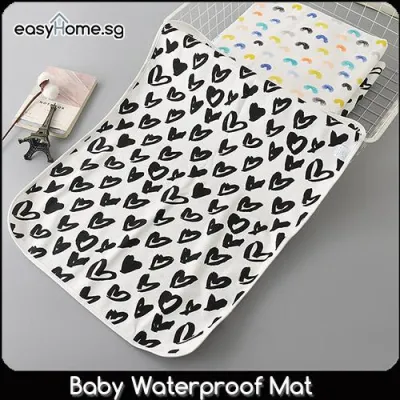
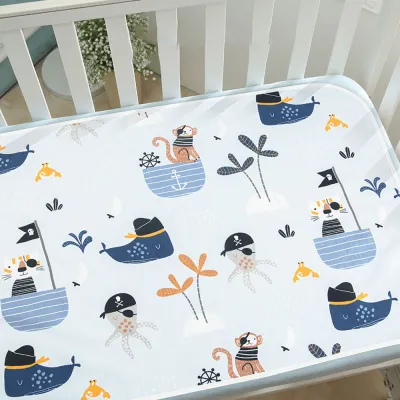
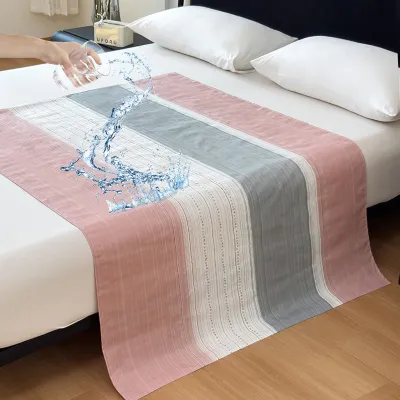
Prices are valid at publication and may change. Please refer to the product page for the latest price.
In addition to physical dimensions, you must consider your daily usage patterns and laundry routines. Newborns require frequent diaper changes, often averaging eight to twelve times a day. Given the high likelihood of unexpected leaks, spills, and diaper blowouts, relying on a single sheet is impractical. Having a rotation of multiple sheets ensures that you always have a clean, dry cover ready to go while others are in the wash.
Singapore’s tropical climate also plays a significant role in how you plan your sheet inventory. The high year-round humidity can prolong air-drying times, especially during the monsoon seasons. If you do not use a clothes dryer, you will need to factor in these longer drying cycles when deciding how many sheets to purchase. Furthermore, the constant warmth means that any fabric coming into contact with your baby’s skin must promote airflow to prevent overheating and sweat rashes.
Comparing Waterproof Materials and Safety Labels
When evaluating waterproof sheets, you will encounter two primary components: the top fabric layer that touches your baby’s skin and the bottom waterproof backing. The backing layer is what prevents liquids from soaking into the changing pad. Thermoplastic Polyurethane (TPU) is a highly recommended backing material because it is laminated to the fabric using a heat process rather than harsh chemical solvents. TPU is flexible, durable, and contains microscopic pores that allow air vapor to pass through while blocking liquid water molecules, making it significantly more breathable than older plastic backings.

In contrast, Polyethylene Vinyl Acetate (PEVA) and traditional Polyvinyl Chloride (PVC) are often used in budget-friendly options. While highly effective at blocking moisture, these materials are completely non-porous, which can trap heat and moisture against your baby’s body. PVC, in particular, has historically raised concerns regarding the use of phthalates, prompting many modern manufacturers to phase it out of baby products entirely. When shopping, prioritize sheets that explicitly state they are free from PVC, phthalates, and lead.
For the top layer, natural fibers like cotton and bamboo blends are excellent choices for Singapore’s climate. Cotton is highly durable, easy to clean, and naturally breathable. Organic cotton offers additional peace of mind for parents concerned about pesticide residues. Bamboo-derived fabrics are exceptionally soft, hypoallergenic, and possess natural moisture-wicking properties that help keep your baby cool and dry during changes. Synthetic top layers, such as polyester microfiber, are highly durable and quick to dry, but they may not offer the same level of breathability as natural fibers.
Regardless of the materials you choose, always verify safety certifications directly on the product packaging or manufacturer tags. Look for recognized independent standards, such as OEKO-TEX Standard 100, which certifies that the textile has been tested for harmful substances and is safe for infant use. Be cautious of products that carry vague “eco-friendly” claims without any verifiable third-party certification marks. If a new sheet arrives with a strong, pungent chemical odor, this is a major red flag; wash it thoroughly or return it rather than exposing your baby to potential chemical off-gassing.
Ensuring a Secure Fit and Safe Attachment
A secure fit is not just about aesthetics; it is a fundamental safety requirement for any changing table accessory. To find a sheet that fits perfectly, use a firm measuring tape to record the exact length, width, and maximum depth of your changing pad. If your pad has contoured or curved edges designed to keep the baby centered, make sure to measure the highest point of the sides. The sheet must be deep enough to wrap completely under the pad without pulling the corners upward.
When comparing sheet designs, look for those featuring a strong, all-around elastic band rather than simple corner straps. An all-around elastic hem ensures that the sheet hugs the underside of the changing pad tightly, preventing the fabric from shifting, slipping, or bunching up when your baby kicks or rolls. Corner straps can easily slip off, especially on slick waterproof pad surfaces, leading to loose fabric that can interfere with your ability to safely secure your baby.
Many high-quality changing pad sheets also incorporate a non-slip textured backing on the underside of the waterproof layer. This textured surface creates friction against the changing pad, keeping the sheet firmly in place even during active diaper changes. Additionally, ensure that the sheet design does not block or cover the safety strap slots on your changing pad. You must always be able to thread the safety harness through the sheet to secure your baby safely on the table.
Never underestimate the importance of a snug, flat fit. Loose, bunched-up fabric on an elevated changing surface can create a tripping or entanglement hazard for an active infant. It can also obscure your view of the changing pad’s safety straps, making it harder to buckle your baby in securely. Always inspect the fit after every wash, as some fabrics may shrink, causing the sheet to pull the pad’s edges upward and compromise its stability.
Building Your Shortlist When Shopping Online
When shopping on e-commerce platforms and online marketplaces, finding the right product requires a strategic approach to search terms and filters. Use specific search queries such as “waterproof changing pad cover,” “fitted changing table sheet,” or “organic cotton waterproof changing sheet.” Avoid overly broad terms like “baby sheet,” which will return standard cot sheets that are far too large for a changing table.
User reviews are an invaluable resource when evaluating products online. Look for detailed feedback from other parents regarding how well the sheet holds up after multiple machine washes. Pay close attention to reviews that mention whether the waterproof backing cracked, peeled, or separated from the fabric over time. Additionally, search the reviews for keywords like “shrinkage,” “breathability,” and “fit” to see if other buyers experienced issues with the sheet fitting standard changing pad sizes.
Be skeptical of product listings that feature vague material descriptions or lack clear sizing charts. A listing that simply describes a sheet as “waterproof fabric” without specifying whether it uses TPU, PEVA, or a chemical coating should be avoided. Reliable manufacturers will always provide a detailed breakdown of both the top fabric layer and the waterproof backing, along with precise dimensions in centimeters or inches.
Finally, always verify the seller’s return and exchange policies before making a purchase. This is particularly important when buying baby bedding online, as you may need to return the item if it does not fit your specific changing pad model or if it exhibits an unexpected chemical smell upon unboxing. A reputable seller should offer a clear return window for unused, unwashed items in their original packaging.
Cleaning, Care, and Knowing When to Replace
Proper maintenance is essential for preserving the integrity of the waterproof layer and ensuring the sheet remains hygienic. Always consult the manufacturer’s care label before washing a new sheet. Most waterproof sheets should be washed in cold or warm water on a gentle cycle. Avoid using hot water, as excessive heat can degrade, melt, or crack the TPU or polyurethane backing, rendering the sheet useless against leaks.
Use a mild, baby-safe detergent that is free from optical brighteners, dyes, and synthetic fragrances. Avoid fabric softeners and chlorine bleach; fabric softeners leave a chemical residue that coats the fibers, significantly reducing the top layer’s absorbency, while bleach can rapidly break down the waterproof membrane. For stubborn stains, pre-treat the area with a gentle stain remover or a paste made from baking soda and water before washing.
Air-drying is the safest method for preserving the lifespan of waterproof sheets. When hanging them to dry in Singapore’s humid climate, ensure they are placed in a well-ventilated area out of direct, intense sunlight, as extreme UV heat can also damage the backing. If you must use a tumble dryer, select the lowest heat setting or a “no heat” air-fluff cycle. Never iron a waterproof sheet, as the direct heat of an iron will instantly melt the waterproof lining.
Over time, all waterproof sheets will eventually show signs of wear and tear. Regularly inspect your sheets for observable damage, such as peeling, cracking, or delamination of the backing layer. If you notice water soaking directly through the sheet during a test or a diaper change, the waterproof barrier has failed, and the sheet must be replaced immediately. Additionally, check the elastic bands for loss of elasticity; a loose, stretched-out sheet will no longer fit securely and should be discarded to maintain a safe changing environment.
Frequently Asked Questions (FAQ)
Can I Use a Regular Mattress Protector on a Changing Table?
It is not recommended to use a standard cot or crib mattress protector on a baby changing table. Standard mattress protectors are designed for much larger surfaces and will not fit a changing pad securely. The excess, loose fabric creates a significant bunching hazard on an elevated changing table, which can compromise your baby’s safety. Furthermore, regular mattress protectors do not feature the necessary cutouts or slots to accommodate changing pad safety straps, preventing you from securing your baby properly during diaper changes. Always use purpose-built changing pad sheets designed to fit the exact dimensions of your changing table.
How Many Waterproof Sheets Should I Buy Initially?
For most parents in Singapore, starting with a minimum of three to four waterproof changing table sheets is highly recommended. This quantity allows you to have one sheet on the changing pad, one clean backup in the closet, and one or two in the laundry cycle. Given Singapore’s high humidity, which can extend air-drying times, having a few extra sheets ensures you are never left without a clean cover during consecutive diaper blowouts. If you do not have a clothes dryer or if your baby is prone to frequent spit-ups and leaks, increasing your initial inventory to five or six sheets can provide extra convenience and peace of mind.
Community discussion
Share your experience or ask a question. Comments are reviewed before publication.