
Choosing between 3M rubber bumpers and alternative edge guard brands for baby-proofing depends on your specific furniture materials, the areas requiring coverage, and the adhesive performance needed in Singapore’s humid climate. While 3M is widely recognized for its industrial-grade adhesive technology and durable elastomeric materials, alternative brands often provide specialized form factors like continuous foam rolls or ultra-soft silicone guards. To make the right choice, caregivers must evaluate the physical properties of the bumpers, verify safety labels, and assess how different adhesives interact with delicate furniture finishes.
What to Look for in Baby-Proofing Edge Guards
When selecting edge guards to protect active toddlers, understanding material density is the first step. Solid rubber offers firm resistance, preventing a child from bottoming out against a sharp corner during an impact. Silicone provides a semi-firm, often transparent barrier that blends with modern decor. Nitrile butadiene rubber (NBR) foam is highly compressible and soft, making it excellent for absorbing high-velocity impacts, though it is more susceptible to bite damage from teething children.
The bond between the guard and the furniture relies entirely on pressure-sensitive adhesives. Wood, glass, and metal surfaces have different surface energies, which directly affect how well an adhesive clings. For instance, non-porous glass and metal typically allow for strong adhesion, whereas porous or textured wood surfaces may require specific adhesive formulations to prevent premature peeling.
Products mentioned in this guide
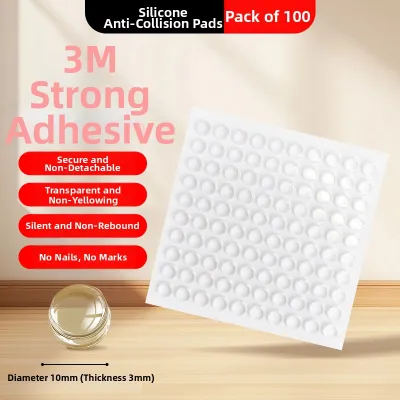
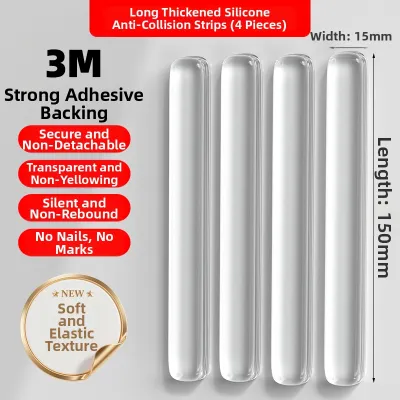
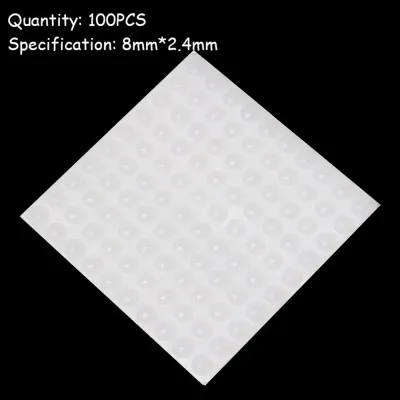
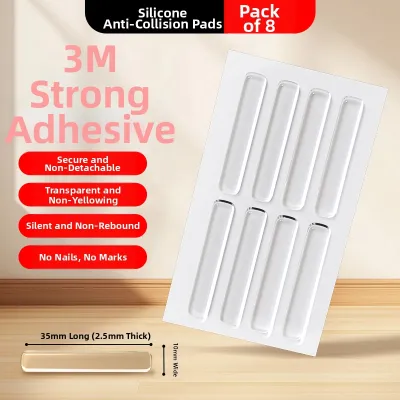
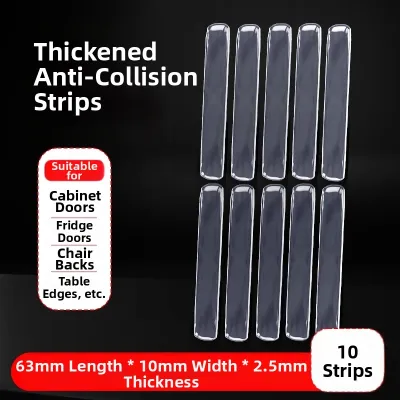
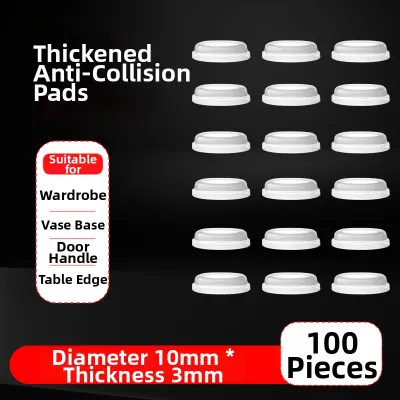
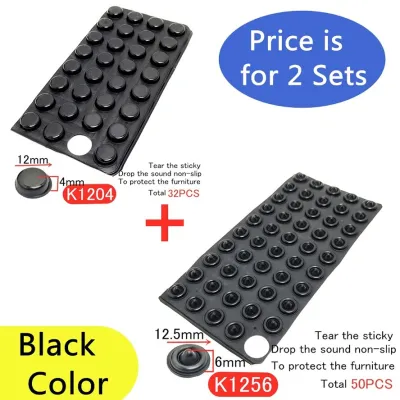
Prices are valid at publication and may change. Please refer to the product page for the latest price.
Because infants and toddlers naturally explore their environment with their mouths, checking product labels for safety certifications is critical. Caregivers should look for explicit manufacturer declarations regarding BPA-free, non-toxic, or food-grade materials. Since these standards are dynamic, always verify the specific certification marks printed on the packaging rather than relying on broad online product descriptions.
A baby-proofing guard must also withstand daily wear, including accidental kicks, vacuum cleaner bumps, and a child’s attempts to peel it off. In tropical climates like Singapore, high indoor humidity can accelerate the degradation of certain adhesives and materials, leading to sticky residues or yellowing. Furthermore, the material must resist tearing if a teething toddler decides to chew on the edge.
Evaluating 3M Rubber Bumpers: Specs and Label Checks
3M produces a wide range of elastomeric and rubber products, many of which are repurposed for home safety. When evaluating these bumpers, check the packaging for the specific rubber compound used. Look for details on thickness and density to ensure the bumper is thick enough to cushion a fall against a sharp wooden or glass edge.

Examine the adhesive backing carefully. 3M is famous for its tape technology, such as double-sided acrylic foam tapes or high-bond adhesives. Check the product label to identify which specific tape is pre-applied. The manufacturer’s documentation will list surface limits, indicating whether the adhesive is suitable for painted walls, finished wood, or tempered glass.
Baby-proofing products are designed for specific developmental stages. Verify if the packaging contains warnings about choking hazards, particularly for smaller, discrete rubber dots or corner protectors that could fit entirely inside a child’s mouth if detached. Check for recognized safety standard marks relevant to consumer goods.
Before peel-and-stick application, inspect the bumper for physical uniformity. Ensure there are no cracks, uneven edges, or thin spots in the rubber. Check the adhesive backing to confirm it is fully aligned with the bumper edge without bubbles. Note any strong chemical odors; high-quality, low-emission rubber products should not emit overpowering fumes that could irritate sensitive airways.
3M Rubber Bumpers vs. Alternative Edge Guard Designs
Solid rubber bumpers, such as those utilizing 3M materials, offer a dense, low-profile protective barrier. In contrast, many alternative brands use polyvinyl chloride (PVC), lightweight silicone, or thick NBR foam. PVC is highly durable and easy to clean but can be rigid, while NBR foam is exceptionally soft but easily damaged by curious fingers or teeth.
3M rubber bumpers are frequently designed as discrete, individual corner protectors or small hemispherical dots. While excellent for isolated sharp corners, they leave the long, straight edges of coffee tables or TV consoles exposed. Alternative brands often specialize in continuous edge guard strips that can be cut to length, providing seamless coverage along entire table perimeters.
Many premium options feature pre-applied adhesive tape, which simplifies installation. However, some budget-friendly competitor kits require the caregiver to manually apply double-sided tape or use separate liquid glue tubes. Pre-applied tape ensures a uniform bond, whereas manual application can lead to gaps where dust and moisture can accumulate, weakening the adhesive over time.
Clear silicone or transparent PVC guards are popular for maintaining the visual appeal of modern furniture, as they allow the natural wood grain or glass edge to remain visible. Solid rubber and foam bumpers are typically opaque, coming in neutral colors like brown, black, or grey. Caregivers must balance the need for high-visibility safety cues for the child against the desire for a discrete, low-profile look that blends into the living space.
How to Choose the Right Edge Guard for Your Furniture
Choose 3M rubber bumpers if you are targeting specific, high-risk corners on sturdy furniture like heavy wooden dining tables, metal bed frames, or glass shelving. Their dense composition and high-strength adhesive make them ideal for localized areas where a low-profile, highly secure bumper is needed to prevent severe impact injuries.
Choose alternative continuous edge guards if you need to secure long, straight expanses of furniture, such as the sharp edges of low TV consoles, long hallway benches, or low-profile platform beds. Continuous strips prevent toddlers from finding a seam to peel, ensuring comprehensive protection along the entire length of the furniture.
Choose softer foam alternatives if your primary concern is high-impact cushioning for a highly active toddler who is just learning to walk or run. The thick, pillowy texture of NBR foam provides superior deceleration during a direct impact, making it highly suitable for playrooms or high-traffic family areas, even if it requires more frequent replacement due to wear.
Verify first if your furniture features delicate finishes, such as antique varnishes, thin wood veneers, matte paints, or delicate lacquers. High-strength adhesives can bond so securely to these surfaces that removal may strip away the finish entirely. In such cases, look for specialized light-duty adhesives or consider alternative baby-proofing methods that do not require permanent chemical bonding.
Applying, Maintaining, and Removing Edge Guards Safely
To achieve the maximum bond strength specified by the manufacturer, the furniture surface must be meticulously prepared. Clean the area with a mild soap solution or a mixture of isopropyl alcohol and water, ensuring all dust, oils, and polish residues are removed. Allow the surface to dry completely. After applying the bumper, apply firm, even pressure across the entire surface and respect the manufacturer’s recommended curing time—often 24 hours—before allowing the child near it.
Baby-proofing is not a set-and-forget task. Caregivers must conduct regular visual and physical inspections of all installed edge guards. Check for peeling corners, lifting edges, or signs of material degradation. If a bumper becomes loose, it poses an immediate choking hazard and must be removed or replaced. Inspect foam guards for bite marks or missing chunks, as swallowed foam can lead to serious health complications.
When it is time to remove the edge guards, hasty peeling can ruin furniture finishes. Use a hair dryer on a low, warm setting to gently heat the adhesive backing, softening the bond before slowly pulling the bumper away at a shallow angle. For stubborn residue, consult the manufacturer’s instructions to see if a mild adhesive remover, vegetable oil, or isopropyl alcohol is safe for your specific furniture finish.
If you encounter highly stubborn adhesive residue on a valuable antique or a delicate veneer, stop immediately. Applying harsh chemicals or scraping with sharp tools can cause irreversible damage. Consult a professional furniture restorer or the furniture manufacturer to identify safe solvent alternatives that preserve the underlying finish.
Frequently Asked Questions (FAQ)
Are 3M rubber bumpers safe if my baby chews on them?
Caregivers must verify the specific product label to confirm if the rubber bumper is certified as non-toxic, BPA-free, and food-grade. While many rubber compounds are chemically inert, they are not designed for ingestion. If a baby bites off a piece of the bumper or if the adhesive backing fails, the detached fragment becomes a serious choking hazard. Inspect the bumpers daily for any signs of teeth marks, tearing, or loosening, and replace them immediately if damage is found.
Will strong adhesives ruin my wooden furniture?
The risk of damage depends heavily on the type of wood finish, such as polyurethane varnish, delicate veneer, or raw, unsealed wood. High-strength adhesives can pull away thin veneers or lift paint and lacquer during removal. To minimize risk, test the adhesive on an inconspicuous area of the furniture first, or check the furniture manufacturer’s care guide. If the furniture warranty or care instructions prohibit strong adhesives, consider alternative non-adhesive safety barriers.
How often should I replace baby-proofing bumpers?
There is no fixed timeline for replacing edge guards, as durability depends on environmental factors like humidity, the child’s activity level, and the material’s wear resistance. Caregivers should perform weekly checks for peeling edges, loss of stickiness, deep bite marks, or physical degradation. In Singapore’s warm, humid climate, adhesives may break down faster than in cooler environments. Any loose, torn, or compromised bumper must be removed and replaced immediately to prevent choking risks.

Community discussion
Share your experience or ask a question. Comments are reviewed before publication.